What are the benefits of LED lighting systems for buyers?

Time:2026-05-22 Author:Mason
0%

The growing shift towards LED lighting systems reflects a significant change in consumer preferences. Buyers are discovering that these systems offer numerous advantages. A report from the U.S. Department of Energy indicates that LED lights use up to 75% less energy than traditional incandescent bulbs. Additionally, these lights last up to 25 times longer, substantially lowering replacement costs.

Inquiring "what are the benefits of LED lighting systems?" reveals key points worth considering. Energy efficiency is paramount. By reducing energy consumption, buyers also minimize their carbon footprint. Moreover, LEDs produce less heat, reducing cooling costs.

However, potential users should note the initial investment required for LED technology. This upfront cost may be a barrier for some. Yet, the long-term savings and environmental benefits often outweigh this concern. The undeniable trend toward sustainability urges buyers to rethink their choices. Adopting LED systems could be a step toward smarter, more economical living.
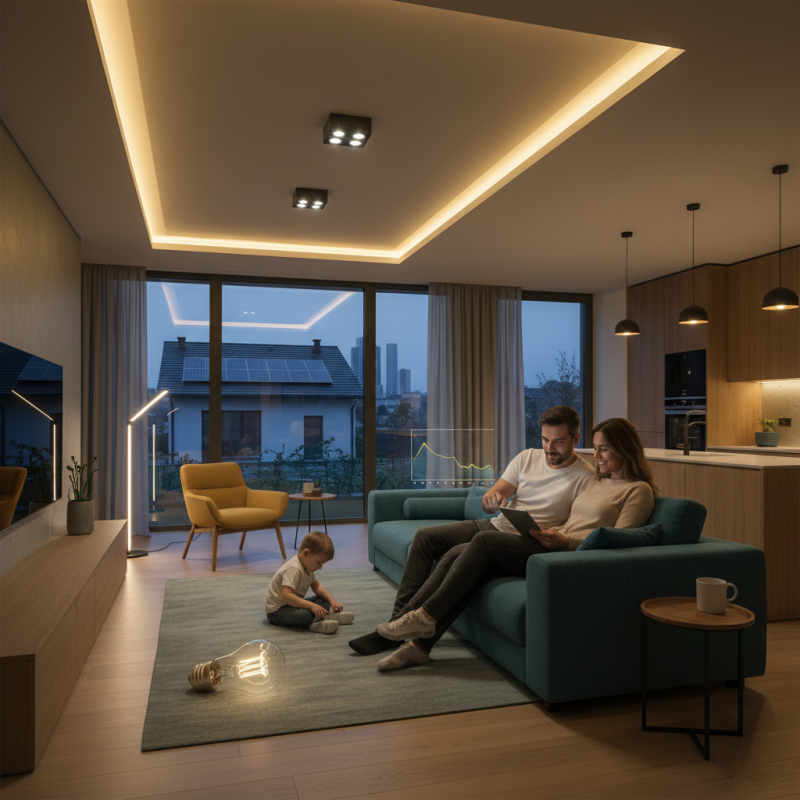
What are the benefits of LED lighting systems for buyers?

Benefits of Energy Efficiency in LED Lighting Systems

Energy efficiency is a key advantage of LED lighting systems. These lights consume significantly less energy compared to traditional bulbs. They use about 75% less energy, which translates into lower electricity bills. For buyers, this means savings can accumulate over time. Switching to LED can lead to substantial cost reductions.

Moreover, LED lights have a longer lifespan. They can last up to 25,000 hours or more. This durability means fewer replacements are needed. Fewer replacements reduce waste and lessen the frequency of purchasing new bulbs. It's an eco-friendly choice as well. However, some people misunderstand the initial cost. LEDs may seem expensive upfront, but their efficiency compensates over time.

In real-world applications, many buyers find their light quality impressive. LEDs produce a bright yet warm glow that enhances various environments. Still, it’s essential to ensure proper installation. Poorly installed lights may not shine as brightly as expected. Reflecting on these aspects can guide better buying decisions.

What are the benefits of LED lighting systems for buyers? - Benefits of Energy Efficiency in LED Lighting Systems

Benefit Description Energy Savings (%) Lifespan (Hours) Environmental Impact
Energy Efficiency LED lights consume significantly less electricity compared to traditional lighting. 50-75% 25,000 - 50,000 Reduced carbon footprint due to lower energy consumption.
Durability LEDs are more resistant to impacts and vibrations. N/A Up to 50,000 Less waste as fewer replacements are needed.
Color Range Available in various colors and color temperatures to suit different needs. N/A N/A Allows for customizable environments, enhancing aesthetics.
Lower Heat Emission LEDs emit very little heat compared to incandescent lights. N/A N/A Improves energy use for cooling, particularly in warmer regions.
Instant Lighting LED bulbs light up instantly to full brightness without warm-up time. N/A N/A Enhances safety and functionality in various applications.

Cost Savings Over Time with LED Lighting Solutions

LED lighting systems are gaining popularity among buyers due to their long-term cost savings. These systems use significantly less energy than traditional lighting options. Over time, this energy efficiency translates into reduced electricity bills, benefiting both homeowners and businesses. Many people notice substantial savings after just a few months of usage.

When purchasing LED lights, consider your environment. Different spaces may require specific light temperatures and brightness levels. Simple changes can make a big difference. For instance, using warmer lights in living rooms creates a cozy atmosphere.

Regular maintenance can also extend the life of your LED lighting. Dusting them frequently prevents any loss in brightness and efficiency. Choosing dimmable options may add versatility. It allows you to control lighting based on your needs, further enhancing energy savings.

Installing LED lights could lead to unexpected changes in your routine. You might need to adjust your fixtures or wiring. It’s wise to consult a professional for installations. Make educated decisions for your space. These small efforts contribute to a brighter, more cost-effective future.

Cost Savings Over Time with LED Lighting Solutions

The following bar chart illustrates the cost savings associated with switching to LED lighting over five years compared to traditional incandescent and fluorescent lighting options. The data shows the estimated annual savings in electricity costs and bulb replacement costs.

Enhanced Durability and Longevity of LED Bulbs

When considering LED lighting systems, enhanced durability and longevity are key benefits. LED bulbs can last 25,000 to 50,000 hours. This is significantly longer than traditional incandescent bulbs, which typically last around 1,000 hours. The longer lifespan means fewer replacements and less waste, benefiting both your wallet and the environment.

LEDs are designed to withstand impacts. Unlike glass bulbs, they're made from sturdy materials. This reduced vulnerability to breakage is crucial for outdoor or high-traffic areas. You’ll save on not just replacements but also labor costs.

Tips: Remember to check the specifications. Not all LED bulbs offer the same lifespan. Look for products that provide a warranty. This indicates manufacturer confidence in their durability. Also, consider the operating conditions. Extreme temperatures can affect performance, so choose the right type for your needs.

The initial investment in LED technology can feel steep. However, the long-term savings are substantial. Just consider how often you buy new bulbs. Reduced frequency translates to less hassle over time. Transitioning to LED not only changes your lighting but also your routine.

Environmental Impact Reduction with LED Technology

LED lighting systems offer significant environmental advantages. Their energy efficiency means that they consume less electricity compared to traditional bulbs. This reduction in energy use leads to lower greenhouse gas emissions. In fact, studies show that switching to LEDs can cut energy consumption by up to 75%.

Additionally, LED lights have a longer lifespan. They last up to 25 times longer than incandescent bulbs. This longevity reduces waste, as fewer bulbs end up in landfills. However, the challenge lies in ensuring proper disposal of old lighting materials. Not all communities have the infrastructure for safe recycling.

Another important point is the reduction in heat output. LEDs emit very little heat compared to other lighting options. This decreases the need for cooling systems in homes and businesses. Over time, this can lead to further energy savings. Nonetheless, there is still work to be done in educating consumers about the full benefits and proper practices surrounding LED technology.

Improved Light Quality and Versatility in Applications

LED lighting systems offer notable improvements in light quality and versatility. Their ability to produce a broad spectrum of light makes them suitable for various applications. This flexibility means they can cater to diverse settings, from homes to offices to outdoor spaces. Many users appreciate the ability to adjust light intensity and color temperature, which enhances overall comfort.

In contrast to traditional lighting options, LEDs provide clearer illumination. This clarity reduces eye strain and improves task performance. Furthermore, their adaptability allows users to create different atmospheres. Whether it’s a cozy environment or a vibrant workspace, LED systems can meet these needs effectively.

However, the transition to LED does have its complexities. Some consumers may feel overwhelmed by the choices available. Understanding how different types of LEDs affect the lighting quality can be tricky. It's essential to weigh personal preferences against the technological options. Users may also need to experiment to find the best settings for their specific needs, which can be a learning process.

FAQS

: What are the main benefits of LED lighting systems?

: LED systems use less energy, saving money on electricity bills. They also last much longer than traditional bulbs.

How much energy do LED lights save compared to traditional bulbs?

LEDs consume about 75% less energy than traditional bulbs, leading to significant savings.

What is the lifespan of LED bulbs?

LED bulbs can last from 25,000 to 50,000 hours, greatly exceeding the lifespan of traditional bulbs.

Why are LEDs considered an eco-friendly choice?

Their long lifespan and energy efficiency reduce waste and lower greenhouse gas emissions, making them environmentally beneficial.

Are there any challenges with initially purchasing LED bulbs?

Yes, the upfront cost may seem high, but these lights save you more money over time with fewer replacements.

How should LEDs be properly installed?

Proper installation is crucial. Poorly installed LEDs may not shine brightly, affecting their perceived quality.

What should consumers consider before buying LED lights?

Check the specifications for lifespan, seek products with warranties, and consider operating conditions.

Do LED lights produce heat?

LEDs emit very little heat, reducing the need for cooling and leading to additional energy savings.

What should I know about disposing of old bulbs?

Proper disposal is important, but some areas lack recycling facilities for old lighting materials.

How can LEDs change my routine?

With less frequent replacements, transitioning to LEDs can simplify your lighting maintenance over time.

Conclusion

LED lighting systems offer numerous advantages for buyers, making them a popular choice in various settings. One of the main benefits is energy efficiency, which translates to significant cost savings over time as LED solutions consume less power compared to traditional lighting. Additionally, LED bulbs have an enhanced durability and longevity, lasting much longer than conventional options, which reduces the frequency of replacements.

Moreover, the environmental impact is minimized due to the lower energy consumption and reduced waste, as LEDs contain no hazardous materials. Lastly, improved light quality and versatility allow for a wide range of applications, making LED lighting an adaptable solution for both residential and commercial use. In summary, understanding "what are the benefits of LED lighting systems" highlights their efficiency, cost-effectiveness, durability, environmental friendliness, and superior lighting capabilities.

Mason

Mason

Mason is a seasoned marketing professional with a deep expertise in the company's offerings and a passion for driving brand awareness. With a strong background in digital marketing strategies, he has an innate ability to connect with diverse audiences and effectively communicate product benefits.......