Best LED Lighting Systems 2026 What Are the Benefits?

Time:2026-09-14 Author:Sophia
0%

Choosing the best LED lighting systems in 2026 requires more than comparing brightness or purchase prices. This guide asks, “what are the benefits of led lighting systems?” It examines energy use, service life, comfort, controls, maintenance, and environmental impact. The answer becomes clearer when viewed in a real space, not only on a product page.

A quality LED fixture can illuminate a warehouse aisle, kitchen counter, or office desk with less wasted energy. Many systems also offer dimming, occupancy sensors, tunable white light, and remote monitoring. These features may reduce operating costs and improve visual comfort. However, performance depends on the driver, heat management, color quality, installation, and control settings. Cheap products can flicker, glare, or fail earlier than expected. That part is often overlooked.

Nobel Prize-winning LED researcher Shuji Nakamura once said, “The future of LED lighting is very bright.” His statement captures the technology’s potential, but it should not end the discussion. Buyers still need to check lumen output, efficacy, color rendering, warranty terms, and compatibility with existing wiring. ENERGY STAR guidance and recognized safety certifications can support more reliable decisions. Still, labels do not guarantee a perfect result in every room.

This review compares leading systems through practical details. Imagine replacing a buzzing fluorescent fixture above a workbench. The new light starts instantly, uses less power, and may last for years. Yet the result can disappoint if the beam is poorly chosen. LED lighting is efficient, but efficiency alone is not enough. The best system balances performance, comfort, control, durability, and responsible installation.
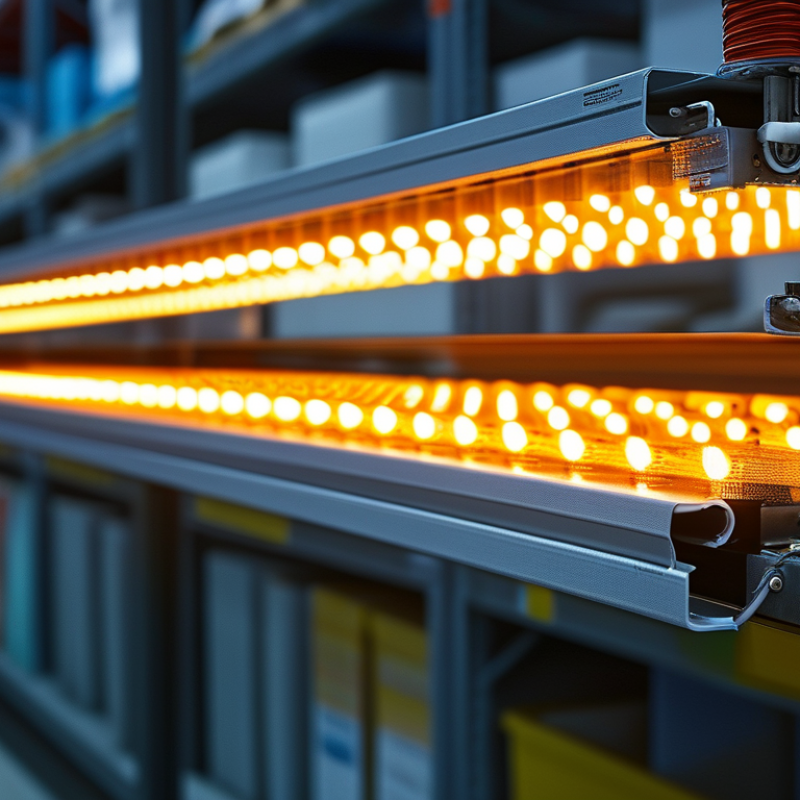
Best LED Lighting Systems 2026 What Are the Benefits?

What Are LED Lighting Systems and How Do They Work?

Best LED Lighting Systems 2026: What Are the Benefits?

LED lighting systems use light-emitting diodes to convert electrical energy into visible light. Unlike older lamps, LEDs do not heat a wire until it glows. A semiconductor produces light when electric current passes through it. Each fixture also uses a driver to regulate voltage and protect the diodes from unstable power.

A complete system includes fixtures, wiring, controls, and sometimes sensors. The driver manages electrical flow, while a heat sink moves excess heat away from the LED. This matters because high temperatures can reduce brightness and shorten service life. Dimmers can adjust output, and occupancy sensors can switch lights off in empty rooms. In practical installations, correct color temperature also affects comfort. Warm white suits bedrooms, while cooler light can support detailed workshop tasks. I once assumed brighter light was always better. It was not. Glare quickly made the room uncomfortable.

Tips: Check the driver’s compatibility before installing dimmers. Measure the room, not just the fixture count. Use sensors in hallways, storage areas, and meeting rooms. Keep ventilation around fixtures clear. A simple test helps: stand beneath the light for several minutes. Notice shadows, glare, and color changes on nearby surfaces. Then adjust the layout or brightness before completing the installation.

Which LED Lighting Systems Are Best for Different Applications?

Choosing the best LED lighting system depends on the application, not simply brightness or price. In offices, panels with low-glare lenses and adjustable color temperature can reduce screen reflections. Uniform light matters more than dramatic intensity. It does.

For warehouses, high-bay LED fixtures with wide beam angles suit tall ceilings and large aisles. Motion sensors can lower energy use in quiet zones. However, poor sensor placement may leave workers in sudden darkness. Test coverage before installation.

Retail spaces need flexible track lighting or adjustable spotlights. These systems can highlight products without creating harsh shadows. A lighting audit should check color rendering, flicker, heat, and maintenance access.

Outdoor areas require weather-resistant fixtures with suitable ingress protection ratings. Pathways benefit from low, even illumination, while loading areas need stronger, controlled beams.

In healthcare settings, glare control and accurate color rendering deserve extra attention. Warm, dimmable LEDs often feel more comfortable in homes, especially bedrooms and living rooms.

I have seen projects fail because the fitting looked excellent in a showroom but felt too bright on site. Mock-ups and nighttime trials prevent that mistake.

Always review photometric data, electrical compatibility, warranty terms, and local safety requirements before approval.

What Benefits Do LED Lighting Systems Offer in 2026?

LED lighting systems in 2026 do more than replace old bulbs. They combine efficient diodes, occupancy sensors, and adjustable controls. In building assessments, lower energy use remains the clearest benefit. A well-planned installation can reduce wasted light in empty rooms. It also produces less heat, which may ease cooling demands during summer. Small changes matter. Yet savings depend on schedules, room use, and maintenance.

Modern systems can improve visual comfort through tunable color and controlled brightness. A cooler setting may support alert work in the morning. A warmer setting can feel calmer in the evening. This is not a medical treatment. It is a practical way to shape a room’s atmosphere. Good optics reduce glare on screens and polished desks. However, poor placement can create harsh shadows or uneven brightness.

LEDs also offer long service life and quick response. There is no waiting for full brightness. Connected controls can report failures before dark areas become complaints. Facilities teams gain useful data about operating hours and energy patterns. For homes, simple dimming can make corridors safer at night. I still question every “smart” feature. Extra complexity may raise costs, confuse users, or create waste when parts fail. Reliable results require suitable fixtures, accurate installation, and regular checks.

How Do Energy Efficiency and Smart Features Improve LED Lighting?

LED lighting systems can reduce electricity use while producing steady, comfortable illumination. Compared with traditional incandescent bulbs, quality LEDs often use about 75% less energy and last much longer. In a kitchen, an eight-watt LED can replace a forty-watt bulb without making the work surface feel dim. Lower heat output also helps rooms stay cooler during summer. That can reduce pressure on air-conditioning systems. Small changes matter. However, savings depend on correct installation, usage habits, and product quality.

Smart features make these systems more responsive to real conditions. Occupancy sensors can switch lights off after an empty office remains still for several minutes. Daylight sensors can dim fixtures near a bright window, avoiding unnecessary power consumption. Scheduling can provide gentle morning light and reduce brightness after closing time. Mobile controls also help facility teams monitor failures and compare energy use across rooms. The data is useful, but not perfect. Sensors may react to pets, shadows, or blocked signals. Poorly designed automation can feel irritating, causing people to disable it. Thoughtful testing remains essential. A practical setup combines efficient fixtures, accurate controls, suitable color temperature, and manual access when technology behaves unexpectedly.

Best LED Lighting Systems 2026: Benefits of Energy Efficiency and Smart Features

Typical annual electricity use for an 800-lumen light operated for three hours per day. Smart-controlled LED lighting is modeled with a 20% reduction from scheduling, occupancy sensing, or daylight-based dimming.

LED lighting uses substantially less electricity than incandescent and compact fluorescent lighting for comparable light output. Smart controls can reduce consumption further by automatically turning lights off, dimming them, or adjusting operation according to occupancy and daylight.

What Should You Consider Before Choosing an LED Lighting System?

Choosing an LED lighting system in 2026 starts with the room, not the fixture. A kitchen worktop needs clear, shadow-controlled light, while a bedroom needs softer output. Measure ceiling height, surface area, and existing wiring before comparing products. Lumens describe brightness; watts only describe energy use. For color, 2700–3000K feels warm, while 4000K appears cleaner and more alert. Check CRI, especially above 90 for kitchens, studios, and retail displays. Small detail, big difference.

Controls deserve equal attention. Dimming should match the driver, switch type, and circuit voltage. Poor compatibility can cause buzzing, flicker, or a narrow dimming range. Smart controls may reduce wasted energy, but they add setup, network, and maintenance demands. In a hallway, occupancy sensors can help. In a bedroom, delayed activation may feel annoying. Test one fixture at night before ordering dozens. This practical step is often skipped.

Look beyond the purchase price. Compare rated life, replaceable parts, heat management, installation access, and warranty terms. LEDs use less electricity, yet poor ventilation can shorten performance. A sealed ceiling fitting may run hot above insulation. Ask for photometric data and safety certification from a credible testing body. Check whether spare drivers remain available after installation. I would not trust impressive efficiency claims without measured evidence. Even careful planning has weak spots; room colors, dust, and changing furniture can alter perceived brightness. Leave adjustment room in the design.

Best LED Lighting Systems 2026: What Are the Benefits and What Should You Consider Before Choosing an LED Lighting System?

LED System Category Typical Luminous Efficacy Typical Rated Life Common CRI Range Typical CCT Options Primary Benefits Key Selection Considerations
LED Panel Lighting 90–130 lm/W 50,000–100,000 hours 80–90+ 3000K, 4000K, 5000K Uniform, low-glare illumination for offices, classrooms, healthcare spaces, and retail interiors. Check ceiling compatibility, glare rating, driver quality, emergency-lighting requirements, and dimming support.
LED Troffer and Linear Fixtures 100–160 lm/W 50,000–100,000 hours 80–90+ 3500K, 4000K, 5000K Efficient replacement for fluorescent systems with good spacing flexibility and visual comfort. Verify dimensions, light distribution, mounting method, power factor, and compatibility with existing controls.
LED High-Bay Lighting 130–190 lm/W 50,000–100,000 hours 70–90 4000K, 5000K, 6500K High output, reduced maintenance, and improved visibility in warehouses, factories, and sports facilities. Assess mounting height, beam angle, ambient temperature, occupancy controls, and impact or dust protection.
LED Street and Area Lighting 100–170 lm/W 60,000–100,000 hours 70–90 2700K, 3000K, 4000K Lower energy use, better optical control, and improved roadway or outdoor-area visibility. Review photometric plans, glare and spill-light limits, surge protection, wind loading, and local road standards.
LED Floodlights 100–170 lm/W 50,000–100,000 hours 70–90 3000K, 4000K, 5000K, 6500K Powerful directional lighting for security, façades, parking areas, construction sites, and sports grounds. Confirm beam angle, mounting adjustment, ingress protection, thermal management, and light-trespass control.
LED High-Bay Retrofit Lamps 100–160 lm/W 25,000–50,000 hours 80–90 4000K, 5000K, 6500K Potentially simpler installation and lower initial disruption than a full fixture replacement. Check socket ratings, ballast bypass requirements, fixture ventilation, lamp orientation, and electrical safety.
LED Downlights and Spotlights 70–120 lm/W 30,000–70,000 hours 80–95+ 2700K, 3000K, 3500K, 4000K Focused accent lighting, strong color quality, compact installation, and architectural flexibility. Consider cut-out size, beam angle, trim finish, fire rating, insulation contact, and dimmer compatibility.
Smart LED Lighting Systems 80–170 lm/W 40,000–100,000 hours 80–95+ 2700K–6500K, tunable white options Automated scheduling, occupancy-based savings, remote monitoring, daylight harvesting, and scene control. Evaluate protocol interoperability, cybersecurity, wireless reliability, commissioning, subscription costs, and data ownership.
General selection checklist: Compare delivered lumens rather than wattage alone; verify efficacy, color quality, glare control, beam distribution, operating temperature, ingress protection, driver warranty, controls compatibility, maintenance access, recyclability, and total cost of ownership.

FAQS

How should I choose an LED lighting system for a specific application?

Choose lighting by room function, ceiling height, surface area, and user comfort. Brightness alone is not enough. Review glare, beam angle, color quality, controls, heat, and maintenance access. A showroom may mislead you.

Which LED fixtures work well in offices?

Office panels with low-glare lenses can reduce reflections on computer screens. Adjustable color temperature supports different tasks and preferences. Uniform illumination usually feels better than dramatic brightness. Test the lighting at occupied desks.

What LED lighting is suitable for warehouses?

High-bay fixtures with wide beam angles suit tall ceilings and broad aisles. Motion sensors can reduce energy use in quiet storage areas. Poor sensor placement may create sudden darkness. Test coverage before installation.

How can LED lighting improve retail displays?

Adjustable track lighting or spotlights can highlight products without harsh shadows. Check color rendering, flicker, heat, and access for maintenance. A narrow beam may emphasize one shelf but leave nearby products dull.

What should outdoor LED lighting systems provide?

Outdoor fixtures should resist weather and have suitable ingress protection ratings. Pathways need low, even illumination for comfortable movement. Loading areas require stronger, controlled beams. Test the light after sunset.

What matters most for LED lighting in healthcare spaces?

Glare control and accurate color rendering deserve special attention. Light should support visibility without creating visual discomfort. Review photometric data carefully. One setting may not suit every room.

What type of LED lighting feels comfortable in homes?

Warm, dimmable LEDs often suit bedrooms and living rooms. Lower brightness can create a calmer evening atmosphere. A fitting may look attractive in a store but feel too bright at home. Nighttime trials help.

How much energy can LED lighting save?

Quality LEDs often use about 75% less energy than incandescent bulbs. An eight-watt LED can replace a forty-watt bulb in some kitchens. Lower heat may also reduce summer cooling demand. Actual savings vary.

How do smart controls improve LED lighting efficiency?

Occupancy sensors can switch lights off after rooms remain empty. Daylight sensors can dim fixtures near bright windows. Scheduling can reduce brightness after closing time. Automation is useful, but not flawless.

What should be checked before approving an LED system?

Review photometric data, electrical compatibility, warranty terms, and local safety requirements. Confirm sensor coverage and manual controls. Compare energy use across rooms when possible. Leave room for reconsideration.

Conclusion

LED lighting systems use semiconductor-based light sources to produce illumination efficiently, with drivers and control components regulating power, brightness, and color. In 2026, they can be adapted for homes, offices, warehouses, streets, retail spaces, and specialized environments by selecting the right brightness, color temperature, beam angle, and installation style. Their flexibility makes them suitable for both simple replacement projects and connected lighting designs.

When considering what are the benefits of led lighting systems, the main advantages include lower energy consumption, longer operating life, reduced maintenance, improved light quality, and greater control. Smart features such as sensors, timers, dimming, wireless management, and automated scheduling can further reduce wasted electricity while improving comfort and safety. Before choosing a system, users should evaluate installation conditions, controls, compatibility, heat management, expected usage, product quality, and total ownership costs. A well-matched solution can provide reliable performance, practical savings, and adaptable lighting for years.

Sophia

Sophia

Sophia is a dedicated marketing professional with an exceptional depth of knowledge about her company's products and services. With a keen understanding of market trends and customer needs, she crafts insightful blog posts that not only inform but also engage readers, enriching the company’s online......