Halo Light
Lighting plays a crucial role in architectural design. It can enhance features and create mood. But what is the best lighting for architectural design? The answer isn’t always straightforward. Various types of lighting can suit different styles and purposes.
Choosing the right fixtures requires an understanding of the space’s unique attributes. For instance, natural light can transform a room’s ambiance beautifully. However, artificial lighting can highlight textures and colors that might otherwise go unnoticed. Architects and designers often need to experiment. They explore combinations of ambient, task, and accent lighting to achieve the desired effect.
Incorporating innovative lighting solutions can elevate a design from ordinary to extraordinary. Still, it’s essential to balance aesthetics with functionality. Poor lighting can detract from even the most stunning architecture. Therefore, careful consideration is vital. Reflections on how lighting interacts with architecture can lead to compelling results.
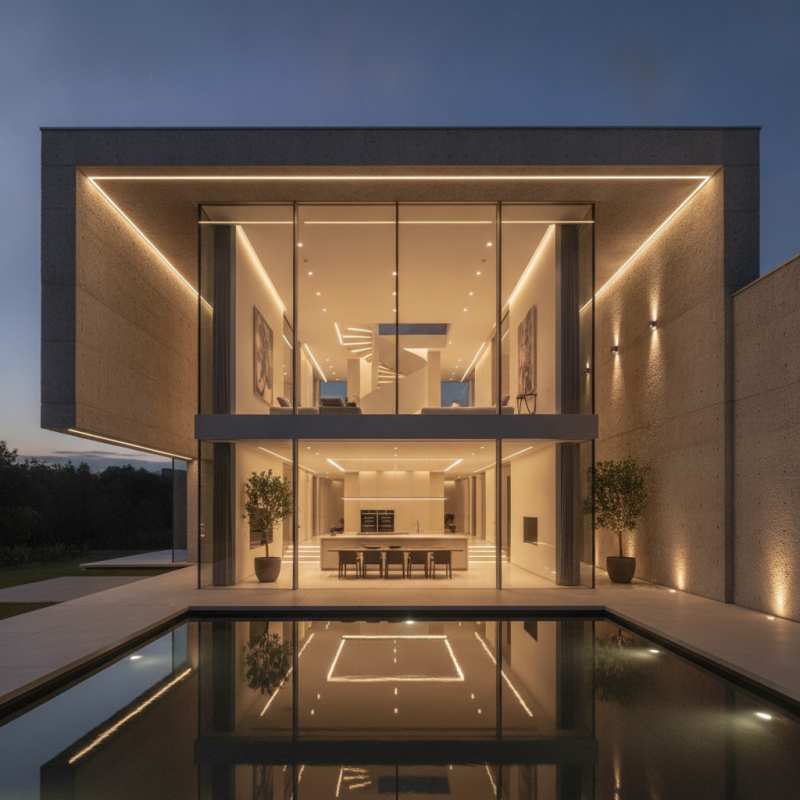
Architectural lighting design plays a crucial role in enhancing the aesthetic and functional aspects of a space. Effective lighting can dramatically alter perception.
According to a report by the International Association of Lighting Designers, well-structured lighting can increase user satisfaction by 25%.
Key principles guide this design, ensuring both beauty and functionality.
Understanding light quality is vital.
Task, ambient, and accent lighting each serve unique purposes. Task lighting supports specific activities, while ambient lighting creates an overall atmosphere. Accent lighting can draw attention to architectural features.
A study from the U.S. Green Building Council found that optimal mix improves productivity and well-being in workspaces.
It’s important to consider the color temperature, as it impacts mood significantly. Warm light can evoke comfort, whereas cool light may enhance focus.
Moreover, sustainability must be a priority. Energy-efficient lighting options contribute to environmentally responsible design.
The Department of Energy estimated that LED lighting could reduce energy use by up to 75% compared to traditional bulbs.
However, it’s essential to evaluate the visual comfort for occupants. Poorly designed lighting can lead to glare, causing distractions and discomfort.
Balancing aesthetics and functionality is not always straightforward, thus continuous evaluation of lighting strategies is necessary.
Lighting plays a crucial role in architectural design. It enhances the aesthetics of spaces while also improving functionality. Different types of lighting fixtures can transform environments dramatically. According to the American Society of Interior Designers, effective lighting can increase a room’s perceived value by up to 20%. This highlights the importance of selecting suitable fixtures.
Recessed lighting remains a popular choice. It provides subtle illumination that does not distract from architectural features. Pendant lights, on the other hand, can serve as striking focal points. They create a sense of drama and can complement the overall design theme. Research indicates that well-placed pendant fixtures can enhance a space’s visual appeal by 30%. Wall sconces, too, can provide ambient light. Their versatility allows them to fit various architectural styles.
However, the choice of lighting should not be purely aesthetic. It’s essential to consider energy efficiency and sustainability. The U.S. Department of Energy reports that LED lighting can reduce energy consumption by 75% compared to traditional bulbs. While these fixtures are initially more costly, their long-term savings can be significant. Choosing the right mix of lighting can be challenging, but it's vital for creating spaces that are both beautiful and efficient.
Natural light plays a pivotal role in architectural design, influencing both aesthetics and functionality. According to a study by the National Institute of Building Sciences, natural lighting can enhance mood and productivity by up to 20%. Daylight not only adds beauty but also promotes well-being within a space. Well-placed windows and skylights invite light, connecting occupants with the outside world.
Many architects emphasize the importance of orienting buildings to maximize daylight exposure. However, achieving the perfect balance can be challenging. While some may overestimate the amount of light needed, others may neglect the heat gain or glare effects. A detailed analysis by the International Energy Agency reveals that buildings utilizing natural light effectively can reduce energy consumption by up to 30%. This statistic underscores the importance of thoughtful design.
Sustainability is increasingly relevant in architectural discussions. Designers must consider not only how to let in light but also how it impacts the environment. Natural light can reduce reliance on artificial lighting, yet improperly designed windows may lead to overheating and increased energy costs. Reflecting on these complexities allows architects to create spaces that feel open and inviting while being considerate of energy efficiency.
| Lighting Type | Description | Benefits | Considerations |
|---|---|---|---|
| Natural Light | Uses sunlight through windows, skylights, and openings. | Energy-efficient, enhances mood, highlights textures. | Varying light levels, glare control needed, dependence on weather. |
| LED Lighting | Energy-efficient light source with a long lifespan. | Low energy consumption, various colors, minimal heat generation. | Initial cost higher than traditional bulbs, potential color rendering issues. |
| Pendant Lighting | Hanging light fixtures that provide focused illumination. | Stylish, can serve as a focal point, versatile placement. | Can be too bright in small spaces, installation may be complex. |
| Recessed Lighting | Lights installed into the ceiling, providing a clean look. | Space-saving, modern aesthetic, unobtrusive. | Can create uneven lighting if not spaced properly. |
| Track Lighting | Adjustable lighting fixtures mounted on a track system. | Flexible positioning, accentuates architecture and art. | Visible hardware, can be too intense if not balanced. |
Layered lighting is crucial in architectural design. It creates depth and enhances the visual appeal of spaces. Different lighting types work together to achieve this effect. Ambient lighting provides a general glow, while task lighting focuses on specific areas. Accent lighting highlights architectural features or artwork.
Consider natural light sources in your design, too. Large windows can flood a room with sunlight. This not only saves energy but also creates dynamic shadow patterns. However, balance is key. Too much sunlight can lead to glare and heat. Reflective surfaces may also complicate this balance, leading to over-illumination.
Experimenting is essential. Try different bulb types and fixtures. Dimmers can adjust the light intensity. This flexibility lets you shift the mood. Observe how light changes throughout the day, impacting colors and textures. Keep in mind that what looks good in theory may differ in practice. Take notes on how lighting affects each space over time. This reflection will enhance your design approach.
Innovative lighting technologies play a crucial role in modern architecture. The integration of LED systems offers energy efficiency and versatility. Architects now use these lights to create dynamic spaces that adapt to varying needs. Flexible lighting solutions can change the ambiance of an area dramatically, from a bright, vibrant workspace to a soothing, dimmed room for relaxation.
Smart lighting systems are transforming how we design interiors and exteriors. Many of these systems can be controlled remotely and programmed to adjust based on natural light. This capability enhances comfort and supports sustainability efforts. However, the reliance on technology may sometimes lead to complexity in design. Finding the right balance between aesthetics and functionality is often a challenge.
Natural light remains an essential aspect of architectural design. Large windows and open spaces connect indoor areas with nature. Yet, depending solely on daylight can create issues. Inadequate lighting at certain times of the day can affect mood and productivity. Therefore, combining natural elements with innovative lighting solutions is key to creating harmonious environments.
: It enhances both beauty and functionality in spaces. Good lighting alters perception effectively.
Different types serve unique purposes. Task lighting helps with activities, while ambient lighting sets the mood.
Warm light evokes comfort. Cool light can enhance focus. It significantly impacts our mood.
Energy-efficient options are crucial. LED lights can reduce energy use by up to 75%.
Yes, poorly designed lighting may cause glare and distractions. Visual comfort is key to user satisfaction.
It enhances aesthetics and boosts mood. Properly placed windows create a connection with the outside.
Overestimating light needs or neglecting glare can affect comfort. Balance is essential for effective design.
It reduces the need for artificial lighting. However, poorly designed windows might increase energy costs.
Orienting buildings to maximize daylight can enhance energy efficiency. It’s a complex and careful consideration.
Balancing aesthetics with functionality requires feedback and adjustments. It’s important for creating effective lighting strategies.
When considering what is the best lighting for architectural design, it is essential to understand several key principles that enhance both aesthetics and functionality. Effective architectural lighting design incorporates various types of fixtures that amplify the structural features and create a dynamic atmosphere. Moreover, the interplay of natural light within these spaces plays a pivotal role in shaping the overall experience, ensuring that interiors remain vibrant and inviting throughout different times of the day.
Layered lighting techniques are crucial in achieving depth and dimension in architectural settings. By combining ambient, task, and accent lighting, designers can highlight specific elements while maintaining a cohesive environment. Additionally, innovative lighting technologies, such as LED advancements and smart controls, are transforming modern architecture, allowing for greater flexibility and energy efficiency. Ultimately, the thoughtful integration of these lighting principles and technologies can elevate architectural design to new heights.
