Halo Light
Indoor lighting design significantly influences the ambiance of any space. According to a recent report by the American Lighting Association, proper lighting can enhance mood by over 60%. Understanding how to design lighting for indoor decoration is essential for creating inviting environments.
Lighting expert Jane Doe emphasizes, “Good lighting goes beyond aesthetics; it shapes how we feel in our homes.” This reflects a broader industry understanding that functional lighting can impact our daily lives. However, many overlook the importance of balancing light types and intensities. A common mistake is using only overhead lights, which can create harsh shadows.
Experimentation plays a crucial role in achieving desired effects. A mixture of ambient, task, and accent lighting can create depth and interest. It is also essential to consider natural light sources and how they interact with your decor throughout the day. Reflecting on these factors can lead to a more meaningful design process. Designing lighting should be intentional, mindful of both beauty and functionality.
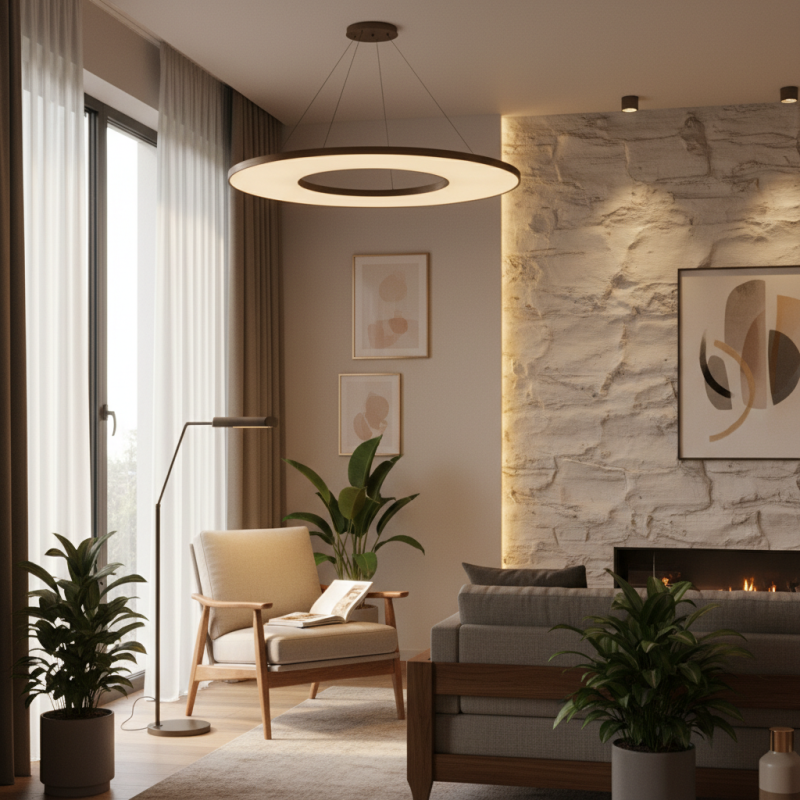
Indoor lighting design plays a crucial role in setting the mood and functionality of a space. Understanding the basics can transform any room. According to a report by the Illuminating Engineering Society, proper lighting can boost productivity by 15% in workspaces. This shows that thoughtful design enhances both aesthetics and efficiency.
When designing indoor lighting, consider layers. Ambient, task, and accent lighting each serve distinct purposes. Ambient lighting provides overall illumination. Task lighting focuses on specific areas, like desks or reading nooks. Accent lighting highlights art or architectural features. Balancing these layers ensures a well-lit space that meets different needs.
But achieving the perfect blend is not easy. Many forget to account for color temperature. A study from the National Association of Home Builders suggests that 50% of homeowners do not consider this factor. Choosing warmth or coolness impacts mood and perception. An overly cool light can make a room feel sterile, while too warm can be cozy but dull. Striking the right balance is vital for effective design.
Choosing the right lighting fixtures is crucial for transforming your indoor space. The right choice can enhance comfort and functionality. To create a cohesive look, consider the style of your room. Modern, rustic, or eclectic? Align your fixtures with the overall theme.
When selecting fixtures, think about their scale. A large chandelier may overwhelm a small room, while tiny pendants could get lost in a vast space. Match your lighting to the area’s purpose. For reading, opt for focused lights. For relaxation, softer, ambient lighting works best.
Don't overlook layer lighting. Combine overhead lights with floor and table lamps. This creates depth and warmth. Remember to assess the color temperature. Warmer tones invite coziness, while cooler tones promote alertness. Experiment with dimmers to find balance. Reflect on how each fixture impacts the mood. Each choice should harmonize with your space's overall ambience.
| Lighting Type | Best Use | Fixture Styles | Key Considerations |
|---|---|---|---|
| Pendant Lights | Dining Areas, Kitchen Islands | Classic, Modern, Industrial | Height, Scale, Color Temperature |
| Wall Sconces | Hallways, Living Rooms | Traditional, Contemporary | Placement, Style, Brightness |
| Recessed Lighting | General Lighting | Minimalist, Sleek | Spacing, Beam Angle |
| Table Lamps | Bedrooms, Offices | Vintage, Modern | Height, Shade Type |
| Chandeliers | Entryways, Grand Spaces | Crystal, Rustic | Size, Ambiance |
When designing indoor lighting, understanding the types of lighting is essential. Ambient, task, and accent lighting each serve distinct roles. Ambient lighting provides the overall illumination in a space. It sets the mood and tone of a room. According to a recent lighting industry report, about 50% of homeowners prioritize ambient lights for comfort and aesthetics.
Task lighting, on the other hand, focuses on specific areas. It enhances visibility for activities like reading or cooking. Research indicates that proper task lighting can reduce eye strain by up to 30%. Incorporating bright, focused lights in these zones is vital. Consider adjustable fixtures for flexibility.
Accent lighting adds drama and highlights certain features. Wall sconces, spotlights, and under-cabinet lights can create visual interest. Reports show that well-placed accent lights increase perceived room value. Be mindful of overdoing it; subtlety is key. Too much can be overwhelming. Balance is necessary for a cohesive look.
Color temperature significantly influences the mood of indoor spaces. Ranging from warm to cool, it sets the emotional tone. Warm colors, like soft yellows and oranges, create a cozy, inviting atmosphere. They are perfect for living rooms and bedrooms, encouraging relaxation and conversation. Cooler tones, such as blues and whites, promote focus and clarity. They work well in offices and kitchens, stimulating productivity.
Choosing the right color temperature can be tricky. What feels bright and uplifting to one person may seem harsh to another. Experimenting with different temperatures helps in finding the right balance. Dimmer switches also provide flexibility, allowing for adjustments throughout the day. Remember, lighting is not just a functional aspect; it shapes our experiences in the space.
Consider the season and time of day when selecting color temperature. A warm glow in winter evokes comfort, while a cool light in summer can refresh. It's essential to reflect on how your lighting choices impact your daily mood. Indoor lighting decor should feel personal, as it greatly affects overall well-being. Embrace the nuances of color temperature and its role in creating a harmonious living environment.
Layering light is essential for creating depth and warmth in your interior space. Ambient, task, and accent lighting work together to enhance the atmosphere. Use soft overhead fixtures to provide an overall glow. Combine this with table lamps and sconces for focused lighting in reading areas. These layers help blend light, reducing harsh shadows.
Consider using dimmers for flexibility. Adjusting brightness allows you to shift your space from vibrant to cozy. Remember to place lights where activities occur. A well-lit kitchen improves safety during cooking, while soft bedside lamps promote relaxation. Lighting should be functional yet inviting.
Don’t overlook the impact of color temperature. Warm lights create a comforting vibe, ideal for living rooms. Test different bulbs to see how they change your space. Reflect on your choices. Does one area feel too bright while another remains dark? Balancing light can be challenging, but these variations add character. Embrace imperfections as part of your unique style.
: Indoor lighting design affects mood and functionality. It can enhance aesthetics and improve productivity by 15%.
The three types are ambient, task, and accent lighting. Each serves a specific purpose in a space.
Ambient lighting provides overall illumination. It sets the mood and tone for the room.
Task lighting focuses on specific areas for activities, like reading or cooking, improving visibility and reducing eye strain.
Color temperature affects mood. Warmer lights create coziness, while cooler lights can feel sterile and harsh.
Accent lighting highlights features and creates drama. It adds visual interest, but too much can overwhelm a room.
Balancing lighting types ensures a well-lit environment. It meets diverse needs while maintaining aesthetic appeal.
One common mistake is neglecting color temperature. Many homeowners overlook it, impacting their space significantly.
Use bright, focused fixtures for specific areas. Consider adjustable options for versatility, enhancing effectiveness.
Avoid overusing accent lights. Subtlety is important; too many can detract from the overall design cohesiveness.
When considering how to design lighting for indoor decoration, it is essential to grasp the fundamental principles of indoor lighting design. This includes selecting appropriate fixtures that complement your space while considering various lighting types: ambient, task, and accent. Each type plays a crucial role in enhancing functionality and aesthetics.
Furthermore, understanding color temperature is vital, as it significantly impacts the mood of your interiors. Warmer tones create a cozy atmosphere, while cooler tones can make spaces feel more vibrant. Layering different types of lighting can also add depth and warmth, making your environment feel inviting and well-balanced. By applying these tips, you can transform your indoor spaces into beautifully lit areas that reflect your personal style.
