10 Best Tips for Designing Indoor Lighting Decoration?

Time:2026-09-04 Author:Ethan
0%

In the world of interior design, lighting plays a crucial role in creating ambiance and enhancing aesthetics. According to Jonathan Adler, a renowned designer and lighting expert, "Good lighting is about enhancing the space, not overwhelming it." His insights on how to design lighting for indoor decoration are invaluable for creating a harmonious environment.

Lighting can transform a room, but many overlook its potential. A well-lit space can elevate mood and functionality. When considering how to design lighting for indoor decoration, think about the balance of natural and artificial sources. Use fixtures that complement your decor while providing adequate illumination.

Empirical evidence suggests that different lighting styles evoke various feelings. For example, warm tones can induce relaxation, while cooler shades energize. Yet, it’s essential to reflect on the effectiveness of your choices. Experimentation is key. Sometimes, ideal lighting requires adjustments. Seek inspiration from various sources, but remember, personal preferences dictate the ultimate design. Lighting is not merely practical; it is an art.
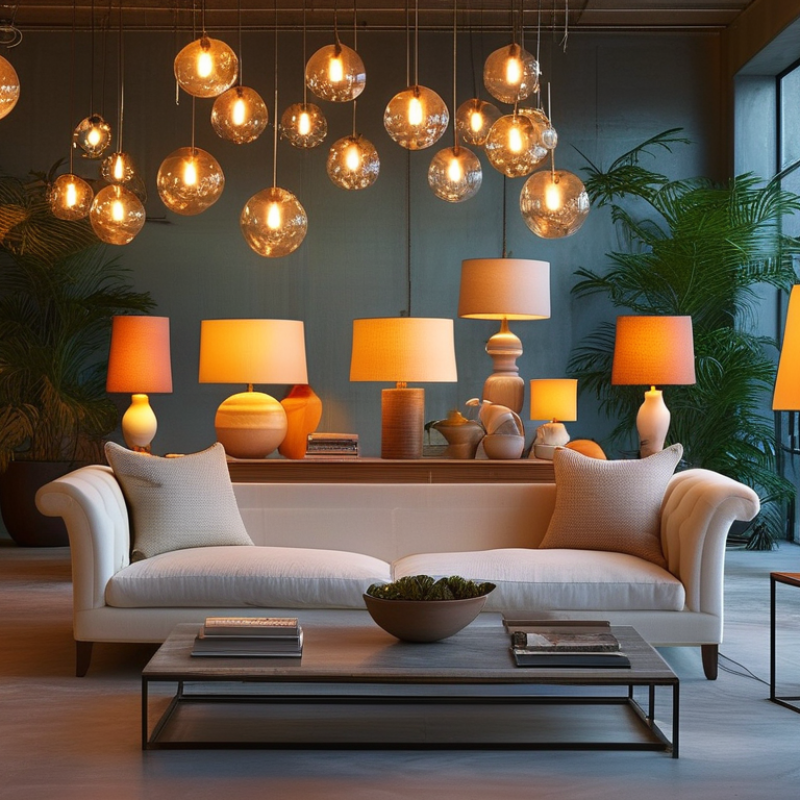
10 Best Tips for Designing Indoor Lighting Decoration?

Understanding Different Types of Indoor Lighting Fixtures

Indoor lighting plays a vital role in creating ambiance and functionality in a space. Understanding different types of lighting fixtures can greatly enhance your home decor. There are three main categories: ambient, task, and accent lighting. Ambient lighting provides overall illumination, creating a warm foundation. Task lighting is for specific activities, like reading or cooking. Accent lighting highlights artwork or architectural features, adding drama.

According to the U.S. Energy Information Administration, lighting accounts for approximately 12% of energy consumption in homes. Choosing energy-efficient fixtures can lower this percentage significantly. A well-placed pendant light can transform a kitchen, while adjustable desk lamps enhance workspace ergonomics. Consider layering your lights to build depth and interest.

Experimenting with different fixtures helps refine your space. You might find that wall sconces improve the atmosphere of your living area. Alternatively, consider combining floor lamps with ceiling fixtures for versatility. Remember, the right mix can create a cozy environment. Pay attention to the color temperature too; warmer tones can make a room feel inviting. Adjust as needed for various moods. The beauty of lighting design lies in its ability to evolve. Don’t hesitate to reassess your choices over time.

10 Best Tips for Designing Indoor Lighting Decoration

Tip Number Lighting Type Description Best Use Case
1 Ambient Lighting Provides overall illumination in a space. Living rooms, bedrooms
2 Task Lighting Designed to illuminate specific areas for activities. Offices, reading areas
3 Accent Lighting Highlights architectural features or artwork. Art galleries, display areas
4 Decorative Lighting Enhances the aesthetic appeal of a space. Dining rooms, entryways
5 Recessed Lighting Installed into the ceiling for a sleek look. Kitchens, hallways
6 Wall Sconces Mounted on walls to save space. Bathrooms, corridors
7 Floor Lamps Versatile lighting option that complements decor. Living rooms, reading nooks
8 Table Lamps Ideal for providing light on surfaces like tables. Bedrooms, study areas
9 Pendant Lights Suspended from the ceiling, often above counters. Kitchens, dining areas
10 Smart Lighting Remote-controlled lighting systems for convenience. Whole home, modern spaces

Identifying the Purpose and Mood for Each Room's Lighting

Choosing the right lighting is essential for enhancing the atmosphere of a room. Each space serves a unique purpose. In the living room, soft lighting can encourage relaxation. Bright lights, on the other hand, are better suited for a workspace. It’s important to think about these differences when designing your lighting scheme.

Consider the mood you want to create. For a cozy dinner, use dimmed lights. This sets an intimate tone. In contrast, a well-lit kitchen invites energy and productivity. Layered lighting can help achieve this. Use ambient, task, and accent lights together for balance.

Reflect on how you use each room. Sometimes, we overlook the need for flexibility. A space may require bright light during the day but softer tones at night. Think about adding dimmers or smart controls. This allows you to adjust the mood effortlessly. Lighting is not just about illumination; it shapes our experiences.

Indoor Lighting Decoration: Purpose and Mood Analysis

The Importance of Layering Light: Ambient, Task, and Accent

Layering light is essential in creating a captivating indoor space. The three primary types of lighting—ambient, task, and accent—each serve a distinct purpose. Ambient light provides the foundation, illuminating an entire room. Task lighting focuses on areas where specific activities occur, such as reading or cooking. Accent lighting highlights important features, adding depth and character.

According to a recent study by the American Lighting Association, well-layered lighting can enhance mood and productivity by up to 20%. This statistic underscores the significance of a balanced approach to lighting design. A carefully planned combination of these lighting types can transform a mundane room into a functional and inviting space. For example, using pendant lights over a dining table serves both ambient and task needs, while wall sconces can provide accent lighting on artwork.

Reflecting on this, many homes still rely on a single overhead light source. This can create harsh shadows and a flat ambiance. Experimenting with different layers can be challenging but rewarding. Consider using dimmers to adjust intensity. Mixing light sources with various color temperatures can also foster a rich environment. Balancing these elements may take trial and error, but the resulting energy and atmosphere justify the effort.

Choosing the Right Color Temperature for Your Indoor Spaces

Choosing the right color temperature is crucial for indoor spaces. It significantly influences mood, productivity, and the overall ambiance. Warmer tones, ranging from 2700K to 3000K, create a cozy atmosphere. They are perfect for living rooms and bedrooms. On the other hand, cooler shades, around 4000K to 5000K, offer a more energetic vibe. These temperatures are ideal for work areas or kitchens.


When designing your lighting, consider the intended use of each space. If a room is primarily for relaxation, warmer tones enhance comfort. In contrast, if it’s a workspace, cooler temperatures promote focus. Test different bulbs in your space to see how they affect the overall feel. Sometimes, the ideal choice isn't obvious, and trying out variations can lead to surprising results.


Reflect on how color temperature affects your daily life. Are you more productive in bright, cool light, or do you thrive in warm, softer illumination? Every space is unique, and what works for one room may not suit another. It's essential to adapt and experiment. Don’t hesitate to revisit your choices as your needs change. The right balance can transform how you experience your indoor environment.

Incorporating Smart Technology for Flexible Lighting Solutions

Smart technology has revolutionized indoor lighting design, offering flexibility and efficiency. With smart bulbs and systems, you can adjust lighting with just a tap on your smartphone. Imagine creating the perfect ambiance for a movie night or a cozy dinner. This adaptability enhances the living experience and optimizes energy usage.

Integrating smart technology means more than convenience. It allows for programming lighting to match daily routines. For example, setting the lights to gradually brighten in the morning mimics natural sunlight. You can also sync lights to the rhythm of your favorite music. However, relying too heavily on technology can lead to overcomplication. Sometimes, simpler solutions can be more effective and just as beautiful.

Lighting design can also reflect personal style. Consider using smart fixtures that allow color changes. This opens endless possibilities for customization. Yet, with so many choices on the market, it’s essential to ensure compatibility. Mixing different systems can create frustration. Experimentation is encouraged, but finding the right fit for your space is crucial.

FAQS

: What is ambient lighting?

: Ambient lighting provides overall illumination, creating a warm foundation for a room’s atmosphere.

How does task lighting differ from ambient lighting?

Task lighting is designed for specific activities, like reading or cooking, enhancing focus and functionality.

Why is energy efficiency important in lighting?

Energy-efficient fixtures can lower energy consumption, which accounts for about 12% of home energy use.

How can layering different types of lighting improve a room?

Layering ambient, task, and accent lights creates depth, interest, and a balanced atmosphere.

What color temperature is best for living spaces?

Warmer tones, between 2700K and 3000K, create a cozy ambiance suitable for living rooms and bedrooms.

How can I change the mood of a room with lighting?

Dimming lights can create intimacy, while brighter lights can boost energy for workspaces.

What should I consider for lighting in various rooms?

Each room has a unique purpose; reflect on your activities to choose appropriate lighting schemes.

How do I choose the right color temperature for my workspace?

Cooler shades around 4000K to 5000K promote focus and energy, ideal for kitchens or work areas.

What can I do if my lighting choices aren't working?

Don’t hesitate to experiment; reassess your choices over time to find what best suits your needs.

How does lighting affect daily productivity?

The right lighting can enhance productivity; consider whether you thrive in bright light or softer tones.

Conclusion

Designing the perfect indoor lighting can dramatically transform the atmosphere of your home. To effectively learn how to design lighting for indoor decoration, it is essential to understand the different types of lighting fixtures available, as these choices can dictate the overall aesthetic and functionality of a space. Consider the purpose of lighting in each room, aiming to achieve a specific mood that complements its use.

Incorporating a layered approach to lighting, which includes ambient, task, and accent lighting, enhances versatility and depth. Pay attention to the color temperature of your lights to create a warm, inviting environment. Additionally, integrating smart technology can offer flexible control, allowing for customized lighting solutions that adapt to various occasions and needs. By following these tips, you can create a beautifully illuminated indoor space that suits your style and enhances your living experience.

Ethan

Ethan

Ethan is a seasoned marketing professional with a deep expertise in our company's innovative product line. With a passion for sharing knowledge and insights, he takes the lead in regularly updating our corporate blog, where he explores industry trends, product features, and effective marketing......