How to Choose the Best LED Lights for Outdoor Use?

Time:2026-06-28 Author:Aria
0%

When it comes to selecting the right lighting for outdoor spaces, the decisions can feel overwhelming. John Smith, a renowned lighting expert, emphasizes, "Understanding your environment is key to making the best choice." So, how to choose LED lights for outdoor use? The answer lies in considering several factors that combine form and function.

Outdoor LED lights differ significantly from indoor options. They need to withstand weather elements while providing adequate brightness. Consider the light's lumen output to ensure it meets your needs. For instance, pathway lights require less intensity than spotlights. Moreover, the color temperature impacts ambiance. A cooler hue can enhance visibility, while a warmer tone might create a cozy atmosphere.

It’s easy to overlook the importance of energy efficiency. High-quality LED lights consume less power and last longer. However, not all LEDs are created equal. Some may not perform well in low temperatures or harsh conditions, leading you to rethink your choice. Ultimately, understanding how to choose LED lights for outdoor use involves careful evaluation of your specific needs and environment. Balancing aesthetics with practicality is crucial for a successful outcome.
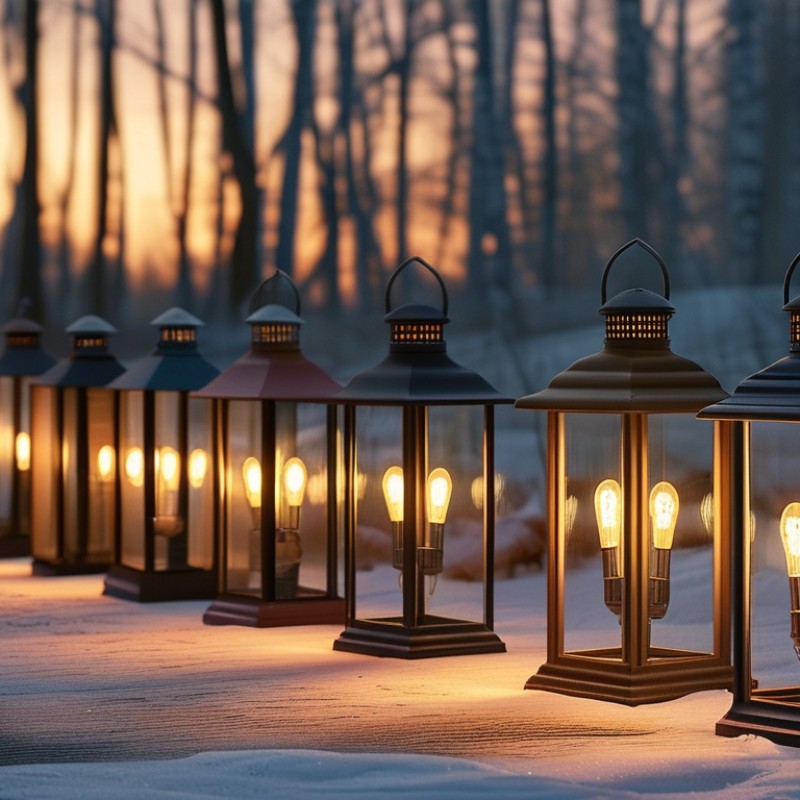
How to Choose the Best LED Lights for Outdoor Use?

Understanding Different Types of LED Lights for Outdoor Use

Understanding different types of LED lights for outdoor use is crucial for effective illumination. There are primarily three categories: floodlights, garden lights, and pathway lights. Floodlights are powerful and ideal for large areas. They can illuminate wide spaces but may cause light pollution if not directed properly.

Garden lights provide softer illumination. They enhance aesthetics while offering functional lighting. Most garden lights are low voltage, which reduces energy consumption. According to the U.S. Department of Energy, LED garden lights can lower energy costs by up to 80% compared to traditional bulbs. However, their placement is vital; too close together can create harsh shadows.

Pathway lights serve dual purposes. They guide the way and enhance safety. Compact designs deliver adequate coverage. Yet, they need to be spaced strategically to ensure visible pathways. Annual maintenance is necessary to clean and check for functionality. Regular review of light placement can prevent uneven lighting, which is often overlooked.

How to Choose the Best LED Lights for Outdoor Use?

Evaluating Brightness and Color Temperature for Outdoor Spaces

When selecting LED lights for outdoor spaces, understanding brightness and color temperature is crucial. Brightness is typically measured in lumens. A study by the U.S. Department of Energy suggests that outdoor areas such as patios and gardens require between 100 to 200 lumens per square foot for adequate illumination. However, some activities demand higher brightness. For example, security lights may need over 700 lumens for effective coverage. This variability highlights the need for an assessment based on specific outdoor usage.

Color temperature, measured in Kelvin (K), is another essential factor. Outdoor lighting usually spans cool white (5000K-6500K) to warm white (2700K-3000K). A report from the Illuminating Engineering Society indicates that warmer lights create a cozy atmosphere while better complementing residential settings. Conversely, cooler temperatures enhance visibility, suitable for security lighting.

It’s important to note that higher color temperatures may contribute to light pollution, an issue many communities grapple with. Careful attention to these details can ensure functional and aesthetically pleasing outdoor lighting solutions.

Weather Resistance and Durability: Key Features to Consider

When choosing LED lights for outdoor use, weather resistance and durability are crucial factors. These lights must withstand various elements, such as rain, snow, and extreme heat. Look for products with a high IP rating. This indicates how well the lights resist moisture and dust. A rating of IP65 or higher is usually preferred.

Another essential aspect is the material of the fixture. Metal and durable plastics tend to hold up better over time compared to cheaper materials. Corrosion-resistant coatings can enhance lifespan. When lighting fixtures are left unprotected, they can deteriorate quickly in harsh conditions.

Lastly, consider the brightness and color temperature. While these may not directly relate to durability, they affect the lighting's performance over time. Choose lights that maintain their output without flickering or fading. Remember, even the best fixtures can fail if not properly installed or maintained. Regular checks can prevent unexpected failures.

Energy Efficiency and Lifespan of Outdoor LED Lights

When selecting outdoor LED lights, energy efficiency is a key factor. LEDs use less power compared to traditional bulbs. This means lower electricity bills. They can produce the same brightness as older technologies while consuming significantly less energy. Choosing the right wattage is essential. Some lights look bright but use more energy. You might think they offer more value, but that’s often misleading.

Lifespan is another critical aspect. Quality outdoor LED lights can last up to 25,000 hours or more. This durability reduces the frequency of replacements. However, not all LEDs are created equal. Some cheaper options may fail early. It’s important to check the specifications before purchasing. Variations in design also affect performance. Look for weather-resistant options to ensure longevity.

An energy-efficient light may cost more upfront, yet it pays off over time. Think about the total cost of ownership. You might hesitate to spend more initially, but saving on energy bills is beneficial. Evaluate your long-term needs carefully. Balancing cost and efficiency is essential. Making informed choices will lead to better outcomes in outdoor illumination.

Safety and Installation Tips for Outdoor LED Lighting

When selecting outdoor LED lights, safety and installation are crucial. Choose lights designed for outdoor use. They should have a high IP rating to withstand weather conditions. Look for models that are waterproof and resistant to dust. This ensures durability and safety in various environments.

Proper installation also matters. Ensure that electrical connections are secure and protected from moisture. Use appropriate fixtures and mounts to avoid risks like short circuits. Regularly check for any damage to the wiring or fixtures, especially after severe weather. If you stumble upon unusual signs, like flickering lights, investigate immediately.

Consider the layout of your outdoor space. Proper placement affects brightness and safety. No one wants dark corners where accidents can happen. Always follow manufacturer instructions and local regulations for installation. A little caution can prevent larger issues. Ultimately, investing time in safe setup pays off in the long run.

FAQS

: What are the main types of outdoor LED lights?

: The main types are floodlights, garden lights, and pathway lights. Each serves a unique purpose.

How do floodlights function?

Floodlights illuminate large areas. They are powerful but can cause light pollution if not used properly.

What benefits do garden lights provide?

Garden lights offer softer illumination and enhance aesthetics. They can significantly reduce energy costs.

Why is placement important for garden lights?

Proper placement prevents harsh shadows. Lights too close together can create uneven illumination.

What are the key features for outdoor LED lights?

Look for weather resistance, durability, and a high IP rating. These features ensure long-lasting performance.

How does the material affect LED light lifespan?

Durable materials perform better. Cheap materials can deteriorate quickly in harsh weather conditions.

What safety tips should I follow for installation?

Use lights designed for outdoor use. Ensure secure connections and follow manufacturer instructions.

How can regular maintenance prevent problems?

Regular checks can catch issues like flickering or damage. Maintenance helps avoid unexpected failures.

What role does layout play in outdoor lighting?

A good layout ensures safety and brightness. It prevents dark corners where accidents might occur.

What should I do if I notice flickering lights?

Investigate immediately. Flickering can indicate a problem with the wiring or fixtures.

Conclusion

When considering how to choose LED lights for outdoor use, it is essential to understand the various types available, including floodlights, pathways, and accent lights. Evaluating brightness and color temperature will help ensure the ambiance is appropriate for your outdoor space, whether for security or aesthetics.

Another crucial factor is weather resistance and durability, as outdoor lights must withstand various environmental conditions. Additionally, energy efficiency and lifespan are significant, allowing for lower energy costs and less frequent replacements. Finally, adhering to safety and installation tips will ensure that your outdoor lighting is both functional and secure. By focusing on these key aspects, you can select the best LED lights that enhance your outdoor areas effectively.

Aria

Aria

Aria is a dedicated marketing professional with a deep passion for innovative strategies and a keen understanding of our company's product offerings. With a wealth of experience in the industry, Aria excels at crafting engaging content that highlights the unique features and benefits of our......