How to Choose LED Lighting for Large Projects in 2026?

Time:2026-07-11 Author:Aria
0%

As we approach 2026, the importance of how to select LED lighting for large projects becomes increasingly critical. Industry reports from the American Lighting Association reveal that LED technology is projected to save up to 75% in energy costs compared to traditional lighting. Proper selection is essential to maximize these benefits. According to Jane Doe, a leading expert in commercial lighting design, "Choosing the right LED fixtures can enhance both the functionality and aesthetic of large spaces."

When tackling large projects, factors like brightness, color temperature, and energy efficiency must be considered. The right fixtures can significantly impact both operational costs and environmental footprint. Some reports suggest that about 50% of commercial buildings still use outdated lighting systems. This indicates the necessity for a careful approach in lighting upgrades.

It’s also vital to reflect on the balancing act between aesthetics and practicality. Not every LED option fits every space. The process can be daunting; it invites ongoing evaluation and adaptation to meet the unique needs of each project. By understanding how to select LED lighting for large projects, professionals can avoid common pitfalls while reaping the full rewards of modern lighting solutions.
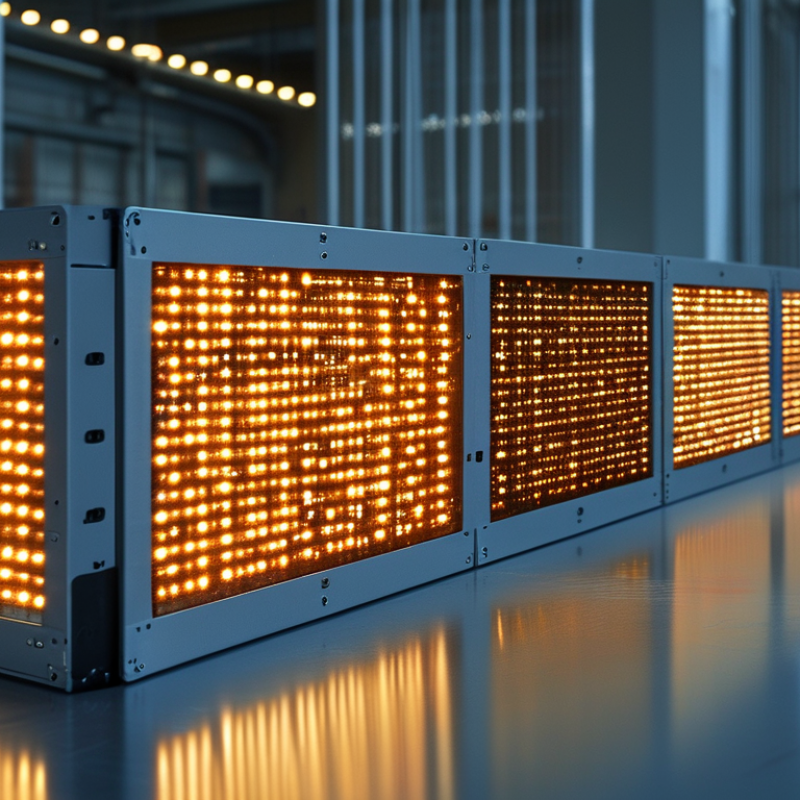
How to Choose LED Lighting for Large Projects in 2026?

Understanding the Current LED Lighting Technologies for Large Projects

When choosing LED lighting for large projects in 2026, understanding current technologies is crucial. Recent reports indicate that the LED market will reach $80 billion by 2026. This growth is driven by energy efficiency and longevity. LED lights consume up to 75% less energy than traditional incandescent bulbs. They can last up to 25,000 hours, significantly reducing maintenance costs.

Different LED technologies cater to distinct project needs. For example, tunable white LEDs allow users to adjust color temperatures to suit specific environments. This adaptability enhances spaces, making them more functional and inviting. However, the integration process can be complex. Collaboration with lighting designers and experts is vital to address these challenges.

Moreover, not all LEDs are created equal. Some products may lack the necessary color rendering index (CRI). A low CRI can distort colors, affecting aesthetics. Obtaining quality certifications is essential in ensuring reliability. This requirement adds to the overall planning time. Therefore, setting realistic timelines for project completion becomes critical.

How to Choose LED Lighting for Large Projects in 2026?

LED Type Color Temperature (K) Lumen Output (lm) Wattage (W) Efficacy (lm/W) Lifespan (hours)
Standard LED 3000 1200 10 120 25000
High-Output LED 4000 3000 20 150 30000
Smart LED 5000 1500 15 100 40000
Architectural LED 2700 2000 25 80 50000

Assessing Project Requirements: Size, Scope, and Purpose

When choosing LED lighting for large projects, assessing project requirements is key. Start by looking at the size of your space. Larger areas often need more powerful lighting solutions. Measure ceiling heights and the dimensions of the rooms. This will help you determine how much light you’ll need.

Also, consider the scope of your project. Are you illuminating a warehouse or a commercial space? The light distribution patterns can vary greatly. For warehouses, wider beams may be more effective, while offices might require direct lighting. Understanding the specific lighting needs can lead to better decisions and save costs.

**Tips:** Think about the layout. Fixtures should not create dark spots or glare. Equipment failure can disrupt workflows, so factor in maintenance. Choose energy-efficient options that comply with local regulations. Reflect on past projects to identify what worked or didn’t. Learning from previous experiences can guide your current choices. Remember, lighting affects mood and productivity in public spaces.

Evaluating Energy Efficiency and Cost-effectiveness of LED Solutions

When choosing LED lighting for large projects in 2026, energy efficiency and cost-effectiveness are critical. High-quality LED solutions can significantly reduce energy consumption compared to traditional lighting. For large spaces, the potential for savings is even greater. They can last significantly longer, which means fewer replacements. However, not all LED products are created equal.

Cost-effectiveness involves an upfront investment. Cheaper options may cost less initially but can lead to higher energy bills in the long run. It's essential to evaluate the total cost of ownership over several years. Consider lumens per watt, which measures how much light you get for each watt of energy used. Higher numbers indicate better efficiency.

Installation costs can also vary. Certain fixtures may require specialized fittings and labor. This factor adds to the overall expense. While many projects focus on light quality, one must critically assess the hidden costs. The best choice is not always the one with the highest brightness or the lowest price. Always keep in mind maintenance needs, as some products require more attention than others.

Choosing the Right Color Temperature and Light Quality for Spaces

When selecting LED lighting for large projects, color temperature and light quality are key factors. Color temperature, measured in kelvins, affects the mood of a space. Warmer temperatures, around 2700K to 3000K, create a cozy atmosphere, suitable for lounges and restaurants. Cooler temperatures, like 4000K to 5000K, promote alertness, ideal for offices and workspaces.

Light quality goes beyond just brightness. It includes factors such as color rendering index (CRI), which gauges how colors appear under artificial light. A high CRI (above 80) is vital for settings like art galleries or retail shops where color accuracy matters. Conversely, spaces like warehouses may prioritize efficiency over perfect color rendering.

While LED technology offers many benefits, it's essential to reflect on its limitations. Not all LEDs provide the same light quality, and some can appear harsh. Poorly chosen lighting can lead to discomfort or fatigue. Balancing aesthetics and functionality can be challenging. Involving lighting specialists during the planning stage can alleviate such concerns and ensure a well-lit environment.

LED Lighting Color Temperature Preferences for Large Projects in 2026

Compliance with Regulations and Standards for LED Lighting in 2026

Choosing LED lighting for large projects requires careful consideration of compliance with regulations and standards. In 2026, these regulations will continue to evolve. It’s crucial to stay updated on local and international guidelines governing energy efficiency. This might include minimum lumen output or specific color temperature requirements. Understanding these regulations helps avoid costly project delays and penalties.

Professional expertise is vital in this process. Consulting with lighting designers or engineers familiar with current standards can provide insights into optimal lighting solutions. Ensure that your designs align with sustainability goals. Poor choices can lead to increased energy consumption and maintenance costs. Thoughtful planning can incorporate advanced technologies, like dimming and occupancy sensors, which enhance compliance and efficiency.

Evaluating products based on certifications is also critical. Third-party certifications can help ensure quality and compliance. However, not all certifications have the same weight. It’s essential to understand which certifications are most recognized in your market. This knowledge requires ongoing research and a willingness to adapt designs. Embracing new lighting technologies and regulatory changes isn't just a duty; it reflects a commitment to innovation in lighting design.

FAQS

: What is the main benefit of LED lighting for large projects?

: LED lighting significantly reduces energy consumption compared to traditional lighting options.

How does cost-effectiveness relate to LED purchases?

Initial costs matter, but total ownership costs over several years are more important for budget planning.

What should be considered about energy efficiency?

Lumens per watt is a key metric; higher values mean better efficiency and more light per energy unit.

Are all LED products created equal?

No, quality varies. Some cheaper options can lead to higher energy bills later on.

Why is compliance with regulations important?

Adhering to current guidelines avoids costly delays or penalties during project execution.

What role does professional expertise play?

Consulting experts ensures designs meet modern standards and incorporate sustainability goals effectively.

How can certification influence product choice?

Third-party certifications indicate quality, but not all have equal significance in the market.

What are advanced technologies in LED lighting?

Dimming and occupancy sensors enhance compliance and can improve overall energy efficiency.

What hidden costs should be assessed in LED lighting?

Factors like installation and maintenance needs can significantly impact the total expense.

How can a project reflect a commitment to innovation?

Embracing new technologies and regulatory changes shows dedication to improving lighting design and efficiency.

Conclusion

When considering how to select LED lighting for large projects in 2026, it is essential to start by understanding the latest LED technologies available. A thorough assessment of the project's specific requirements—such as its size, scope, and intended purpose—will guide the selection process. Additionally, evaluating energy efficiency and cost-effectiveness is crucial, as these factors directly impact both initial investments and long-term operational costs.

Moreover, choosing the appropriate color temperature and light quality can significantly affect the functionality and ambiance of the space. It is also important to ensure compliance with relevant regulations and standards for LED lighting in 2026, which can vary by region and industry. By considering these elements, project managers can make informed decisions that enhance the overall effectiveness and sustainability of their lighting solutions.

Aria

Aria

Aria is a dedicated marketing professional with a deep passion for innovative strategies and a keen understanding of our company's product offerings. With a wealth of experience in the industry, Aria excels at crafting engaging content that highlights the unique features and benefits of our......