How to Choose the Right Voltage for LED Strip Lights?

Time:2026-05-09 Author:Sophia
0%

When selecting LED strip lights, one critical factor is voltage. Many wonder, "what voltage led strip lights should I use?" This question can determine not just the brightness, but also the longevity of your lighting setup. According to industry expert David Lowry, "The right voltage can make or break your LED experience."

Choosing between 12V and 24V strips is vital. For instance, 12V strips are common in residential applications, offering flexibility and ease of installation. Meanwhile, 24V strips can provide greater efficiency over longer runs. However, they may require more substantial wiring.

It's important to weigh options carefully. Higher voltages mean reduced voltage drop, but the installation process can be more complex. Each project is unique, so consider the specific needs of your environment and layout. Don't rush the decision; understanding your requirements helps ensure satisfaction with your choice. The right voltage truly makes a difference.
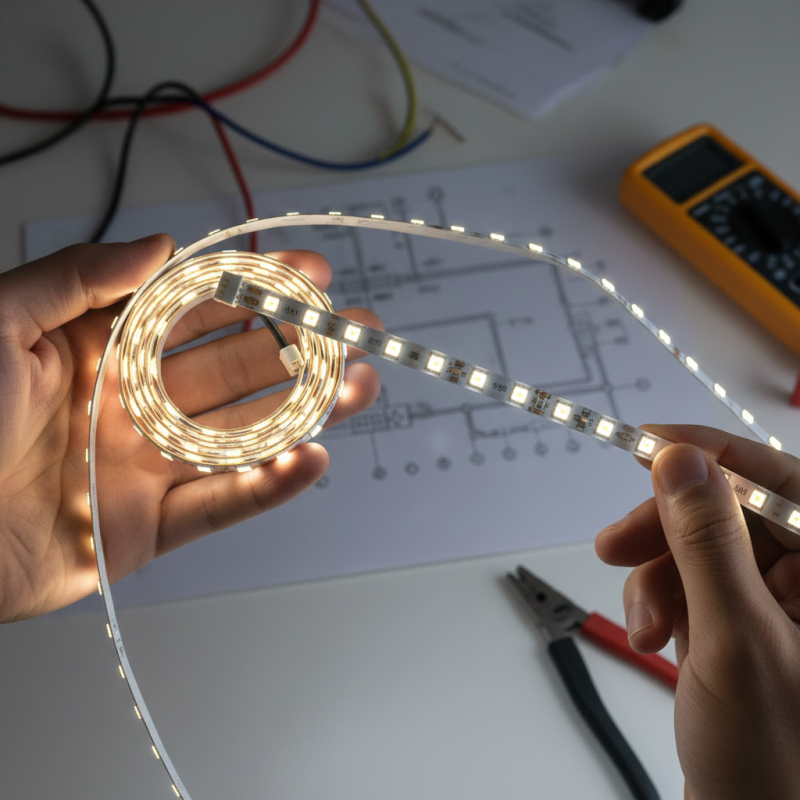
How to Choose the Right Voltage for LED Strip Lights?

Understanding Voltage Types: Common Ratings in LED Strip Lights

When selecting LED strip lights, understanding voltage types is critical. Common ratings include 12V and 24V. Each voltage type influences lighting intensity and energy consumption. According to industry data, 12V strips are typically suitable for indoor applications. They offer a softer light, making them ideal for accent lighting and under cabinet installations. In contrast, 24V strips are recommended for longer runs. They provide brighter lights and reduce voltage drop, ensuring a uniform illumination.

Voltage selection affects both performance and safety. Lower voltages, like 12V, tend to be safer for home use. However, they might not be efficient for larger areas. A report from the International Energy Agency highlights that 24V systems can reduce energy consumption by up to 25% in larger commercial settings. Users might find themselves questioning how well their current setup meets their needs. Balancing aesthetics, efficiency, and safety is essential.

Reflecting on the decision-making process can reveal potential oversights. Buyers often prioritize cost but may overlook durability. Many LED strips face issues like color inconsistency over time. Industry research emphasizes the importance of quality over price for longevity. Choosing the appropriate voltage is not merely a technical choice; it reflects your unique lighting needs and environment.

How to Choose the Right Voltage for LED Strip Lights?

This chart illustrates the common voltage ratings used in LED strip lights and the number of different LED strip types corresponding to each voltage rating. Proper voltage selection is crucial for effective lighting performance.

The Importance of LED Strip Voltage: 12V vs 24V Explained

When choosing the right voltage for LED strip lights, it's crucial to understand the differences between 12V and 24V systems. LED strip lights, which are a popular choice for various lighting applications, are available in these two voltage options. The industry typically notes that 12V strips are great for shorter runs, while 24V strips perform better for longer installations. According to a report by LED Magazine, users can achieve up to 15% more efficiency with 24V strips in longer applications. This efficiency results in less voltage drop over distance, ensuring consistent brightness along the entire strip.

Voltage choice also affects the output power and overall brightness. A standard 12V LED strip may produce less lumens per watt compared to a 24V strip. Lighting Designers International recently highlighted that for applications requiring high brightness levels, 24V systems are preferred. However, users should consider the intended use. High-powered installations can lead to overheating concerns if not properly managed. It's essential to choose the right driver to match the voltage, ensuring optimal performance.

Finally, while higher voltage offers many advantages, it can complicate the installation. Users need to be cautious about compatibility with existing systems. Ensuring proper wiring and connectors is vital, as mistakes can lead to performance issues. Understanding these dynamics can significantly impact the effectiveness of your LED lighting project.

Voltage Drop Considerations: Why It's Critical for LED Performance

Choosing the right voltage for LED strip lights is essential. However, voltage drop can significantly affect performance. Voltage drop occurs when the voltage decreases as electricity travels through the strip. It's important to understand how this can impact your installation.

Longer runs of LED strips are more prone to voltage drop. The farther the electricity travels, the more resistance it encounters. This can lead to uneven brightness and color shifting. For longer installations, using a higher voltage, such as 24V, can be advantageous. It reduces the impact of voltage drop, ensuring consistent performance across the entire length of the strip.

Tips: Use shorter lengths for lower voltage strips. This helps maintain brightness. Be mindful of your total wattage needs. Overloading can lead to overheating. Always test your setup before final installation. Remember, a poorly planned system can waste energy and reduce lifespan.

When installing LED strips, consider the wiring. Thicker wire can minimize voltage drop. Additionally, ensure your power source matches the requirements of your strips. This step is often overlooked. A mismatch can lead to frustration and extra costs. Always double-check your specifications to avoid pitfalls.

How to Choose the Right Voltage for LED Strip Lights? - Voltage Drop Considerations

Voltage (V) LED Type Max Length (ft) Recommended Power Supply (W) Voltage Drop (%)
12 5050 16 60 10
24 3528 32 96 5
12 2835 16 60 10
24 3014 32 96 5

Choosing the Right Power Supply: Matching Voltage with LED Strips

When selecting a power supply for LED strip lights, matching the voltage is crucial. LED strips typically come in 12V or 24V options. It's important to check the specifications of your LED strips before purchasing a power supply. A mismatch can cause flickering or even damage the lights.

A quality power supply should deliver stable voltage and current. If the voltage is too high, the LEDs may burn out quickly. Conversely, too low a voltage can lead to dim lighting and poor performance. Look for supplies equipped with safety features, such as overload protection.

It’s easy to overlook these details. Many assume that any power supply will work. However, doing so can lead to disappointment later on. Consider consulting with industry professionals for advice. Engaging in research can prevent costly mistakes and ensure the longevity of your lighting setup.

Safety Standards and Regulations: Ensuring Compliance for LED Voltage Choices

When selecting the correct voltage for LED strip lights, compliance with safety standards is crucial. It's not just about choosing the right voltage; understanding applicable regulations can prevent dangerous mishaps. Many jurisdictions have specific guidelines on the permissible voltage levels for LEDs. Adhering to these regulations ensures that installations are safe and functional.

LED strips typically operate on 12V or 24V, among other voltages. However, using a lower or higher voltage than specified can lead to overheating or failure. Installing voltages not compliant with safety standards can also void warranties or cause legal issues. Research relevant local laws before making a decision. This approach safeguards against potential risks and enhances reliability.

It's essential to consider that not every installation will meet safety standards at first glance. Sometimes, DIY projects overlook critical compliance aspects. Ensuring that your LED installation meets these regulations may require expert guidance. Involving a professional can clarify complex safety standards and protect your investment. Always remember that safety comes first.

FAQS

: What is voltage drop in LED strips?

: Voltage drop is the decrease in voltage as electricity travels through the LED strip.

How does voltage drop affect LED performance?

Voltage drop can cause uneven brightness and color shifting in LED strips.

What can be done to reduce voltage drop?

Use shorter lengths for lower voltage strips and choose thicker wires for installation.

Why should I consider the total wattage needs?

Overloading can lead to overheating, which affects performance and lifespan.

What safety standards should I be aware of?

You need to check local regulations on permissible voltage levels to ensure safety.

What happens if I use the wrong voltage?

Using incorrect voltage can cause overheating, failure, and potential legal issues.

How can I ensure my installation is compliant?

Research relevant laws and consider involving a professional for complex guidance.

Is it risky to do DIY LED installations?

Yes, DIY projects can overlook critical safety compliance aspects, leading to risks.

Do all installations meet safety standards automatically?

No, many installations may not meet standards at first glance; careful planning is necessary.

What should I do before finalizing an LED installation?

Always test your setup to avoid issues like wasted energy and reduced lifespan.

Conclusion

When selecting LED strip lights, understanding the various voltage types is essential. Common ratings include 12V and 24V, each catering to different applications and setups. The choice between these voltages significantly impacts not only the brightness and color quality of the lights but also their overall performance. It's crucial to consider voltage drop, which can affect LED performance if the strips are too long or improperly installed, leading to uneven lighting.

To determine "what voltage LED strip lights should I use," one must match the power supply to the selected voltage of the LED strips. Using a compatible power supply ensures that the LEDs operate efficiently and safely. Additionally, adhering to safety standards and regulations is paramount for compliance and longevity of the installation. By considering these factors, you can make an informed choice that enhances the effectiveness of your LED lighting project.

Sophia

Sophia

Sophia is a dedicated marketing professional with an exceptional depth of knowledge about her company's products and services. With a keen understanding of market trends and customer needs, she crafts insightful blog posts that not only inform but also engage readers, enriching the company’s online......