How to Choose the Right LED Strip Lights for Your Needs?

Time:2026-08-05 Author:Aria
0%

Choosing the right LED strip lights can seem daunting. With numerous options available, where do you begin? In today's market, these lights offer a blend of functionality and aesthetic appeal. For homeowners and businesses alike, understanding how to choose the right LED strip lights is essential.

LED strip lights are versatile, serving various purposes from ambient lighting to task illumination. Different features can cater to different needs. You might consider color temperature or brightness. Also, the width and adhesive quality can significantly affect installation and durability. Reflecting on your requirements can aid in making wise choices.

When sourcing information, ensure you rely on credible reviews and expert guidance. Quality matters, but pricing can be tricky. A lower price could indicate inferior quality. It’s important to weigh cost against performance. Consider all aspects before making a final decision. Think carefully about how each choice impacts your environment and budget.
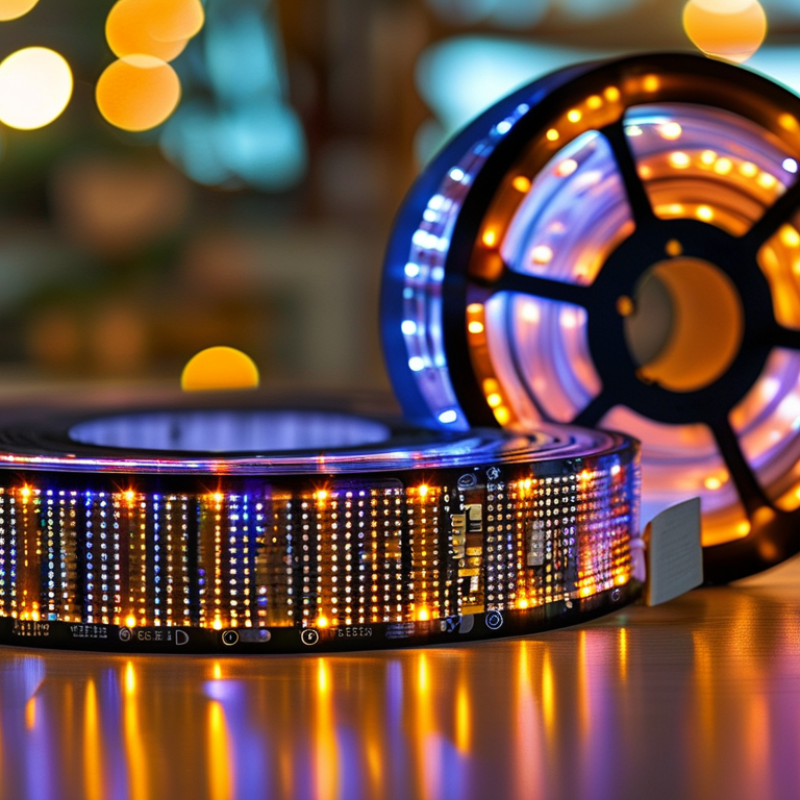
How to Choose the Right LED Strip Lights for Your Needs?

Understanding LED Strip Lights: Types and Applications

LED strip lights are a versatile lighting solution, suitable for various applications. They come in different types, each designed for specific uses. For example, RGB strips can create colorful atmospheres, ideal for entertainment spaces. On the other hand, warm white strips are perfect for creating a cozy ambiance in living areas.

Choosing the right type involves understanding your needs. Are you looking for accent lighting or full room illumination? Consider the brightness level and color temperature. Some strips are dimmable, adding flexibility for mood changes. Look at the installation location too. Waterproof options are available for outdoor settings, while adhesive-backed strips work best indoors.

It's essential to evaluate power requirements and spacing. Incorrect setups can result in uneven lighting or overheating. Researching the most suitable features ensures you make an informed choice. Lighting can significantly affect a space’s vibe, making attention to detail crucial. Selecting the right LED strip can transform your environment or even pose challenges. Think carefully about your needs before making a decision.

How to Choose the Right LED Strip Lights for Your Needs?

Type Wattage Color Temperature Length Applications
RGB LED Strip 14.4 W/m N/A 5m Decorative lighting, mood lighting
Single Color LED Strip 12 W/m 3000K - 6000K 5m Under-cabinet lighting, commercial lighting
High Output LED Strip 24 W/m 5000K 5m Task lighting, accent lighting
Waterproof LED Strip 15 W/m N/A 5m Outdoor lighting, bathrooms

Key Factors to Consider When Choosing LED Strip Lights

When selecting LED strip lights, several key factors come into play. Understanding the brightness, or lumens, is crucial. Most LED strips offer between 300 to 2,000 lumens per meter. Higher lumens provide brighter light. Generally, for accent lighting, around 300-600 lumens per meter suffices. However, for task lighting, aim for 900-1,200 lumens.

The color temperature is another critical aspect. LED strips range from warm white (2700K) to cool white (6000K). A study by the Lighting Research Center suggests that warmer light promotes relaxation, ideal for bedrooms. In contrast, cooler lights enhance focus, suitable for work areas.

Additionally, the LED strip's flexibility and adhesive quality matter. Most strips are designed for easy installation. Yet, not all adhesives withstand heat or humidity. Consider the intended environment. Is it indoors or outdoors? Durability varies significantly. Reflect on these factors to ensure your LED choice aligns with your needs.

Evaluating Brightness: Lumens, Watts, and Color Temperature

When choosing LED strip lights, brightness is crucial. Understanding lumens, watts, and color temperature can guide your decision. Lumens measure brightness. Higher lumens mean a brighter light. For instance, a 3000-lumen strip can light up large spaces effectively. Watts indicate energy consumption, not brightness. You could have a 10-watt strip with fewer lumens than a 5-watt one, depending on the design.

Color temperature plays a vital role in the ambiance. Warm white gives a cozy feel, while cool white adds a modern touch. For living rooms, warm light works well. In kitchens, a cooler tone enhances visibility. Consider your room's function before deciding.

Tip: Always envision how the light will fit into your space. Test strips in-store if possible. Think about how varying brightness levels might impact your mood. Revisit your choice once installed. Lighting affects everything from decor to your daily activities. A slight change could lead to different outcomes in your space.

Selecting the Right Color and Effects for Your Space

Selecting the right color and effects for your space can significantly impact your mood and functionality. Research indicates that 62% of people prefer warm white lights in living areas. This choice creates a welcoming atmosphere. Conversely, cool white lights or RGB options are favored in workspaces for enhanced focus and productivity.

When choosing colors for your LED strip lights, one must consider color psychology. For example, blue can promote calmness and productivity, while red may increase energy levels. A study found that 70% of respondents believed color influenced their emotions in a workspace. However, relying solely on trends can lead to dissatisfaction. Personal preference should play a crucial role as well.

Effects can also change the ambiance. For instance, fading or strobe effects may enhance entertainment spaces. However, these may not suit a bedroom or study area. It’s essential to consider the purpose of a room before making choices. Aesthetic appeal is vital, but functionality must not be overlooked. Balancing these factors will ensure satisfaction with your selection.

LED Strip Lights Color Temperature Preferences

Installation and Power Supply Considerations for LED Strips

When considering LED strip lights, installation and power supply are critical. Proper installation ensures your lights last longer and function effectively. Consider the surface you are working with—walls, ceilings, or shelves. Smooth surfaces may require different adhesives than rough or uneven ones. Always clean the area before applying the strips.

Choosing the right power supply is essential. LED strips often require specific voltage and wattage. Mismatching these can lead to dim lighting or even damage. Look for power supplies that provide a bit of extra capacity. This helps accommodate potential future expansion or adds safety.

Tips: Measure your LED strips before purchase. Having extra length is often better than cutting them too short. Always use a voltage meter to check your power supply output during installation. If you’re unsure of the installation, consider looking for tutorials or asking a professional. Small mistakes can lead to bigger issues later.

FAQS

: What are LED strip lights used for?

: LED strip lights are versatile and suitable for various applications. They can accent spaces, provide full illumination, or create specific moods.

How do I choose the right type of LED strip lights?

Consider your needs, desired brightness, and color temperature. Are you aiming for accent lighting or full illumination?

What is the importance of lumens in LED strip lights?

Lumens measure brightness. For accent lighting, 300-600 lumens per meter works. Task lighting needs 900-1,200 lumens for effectiveness.

How do color temperatures affect mood?

Color temperatures range from warm (2700K) to cool (6000K). Warmer lights relax, while cooler lights can enhance focus and productivity.

Are all LED strip lights suitable for outdoor use?

No, not all strips are designed for outdoor conditions. Waterproof options are available for durability in outdoor settings.

Can I install LED strip lights myself?

Most LED strips are designed for easy installation with adhesive. However, not all adhesives withstand heat or humidity well.

How can colors influence my workspace?

Colors impact emotions. Blue promotes calmness, while red can boost energy. Personal preferences should guide your selection.

What effects should I consider for different rooms?

Fading or strobe effects suit entertainment spaces. For bedrooms or studies, simple lighting may work better. Balance function and aesthetics.

What happens if I choose the wrong brightness?

Incorrect brightness can lead to either weak lighting or discomfort. Reflect on your needs to avoid dissatisfaction.

How important is the right installation location?

Location matters significantly for effectiveness. Some strips may not perform as intended in inappropriate environments.

Conclusion

When considering how to choose the right LED strip lights for your needs, it’s essential to understand the various types and their applications. LED strip lights come in different forms, catering to a wide range of uses, from home decor to accent lighting. Key factors include assessing brightness levels, which are measured in lumens and watts, and selecting the appropriate color temperature to create the desired ambiance in your space.

Additionally, selecting the right color and effects can significantly enhance the visual appeal of your environment. Finally, consider installation requirements and power supply options to ensure a seamless setup. By taking these elements into account, you can make an informed decision on how to choose the right LED strip lights that align with your preferences and practical needs.

Aria

Aria

Aria is a dedicated marketing professional with a deep passion for innovative strategies and a keen understanding of our company's product offerings. With a wealth of experience in the industry, Aria excels at crafting engaging content that highlights the unique features and benefits of our......