Top 10 Common LED Lighting Problems You Should Know

Time:2026-06-25 Author:Amelia
0%

LED lighting technology has become increasingly popular for its energy efficiency and versatility. However, many users encounter issues that can diminish their experience. Understanding what are common LED lighting problems is essential for making informed decisions.

Common issues include flickering lights, inconsistent color temperatures, and premature dimming. Each problem can stem from various causes like poor wiring, incompatible dimmers, or low-quality bulbs. Recognizing these problems early can save time and resources.

Being equipped with knowledge about these issues empowers consumers. It also minimizes frustration and enhances overall satisfaction. Addressing these common concerns can lead to a better understanding of LED technology. Users should remain vigilant and proactive in their lighting choices.
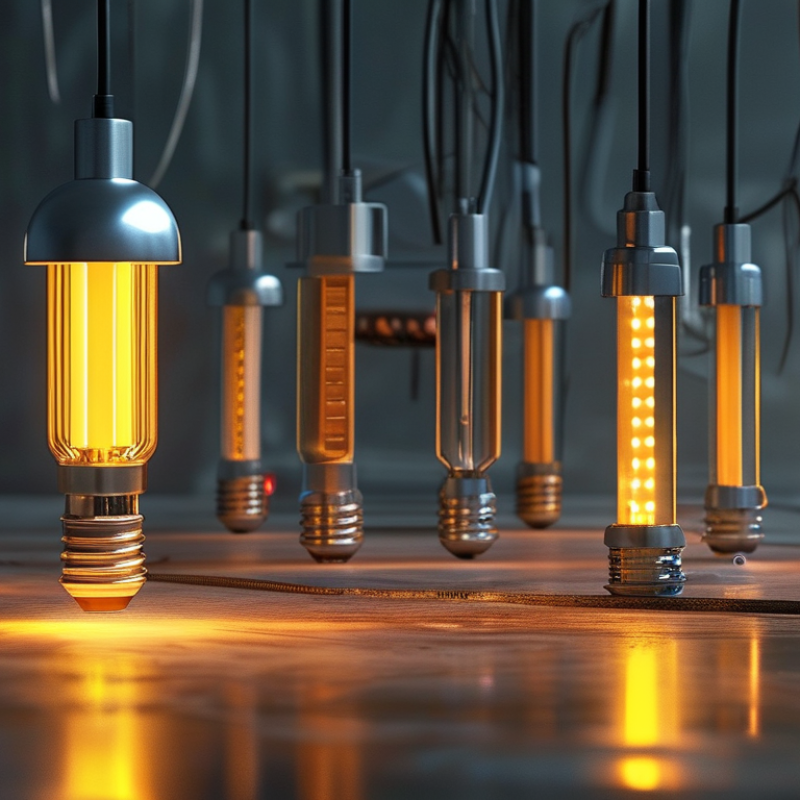
Top 10 Common LED Lighting Problems You Should Know

Common LED Flickering Issues and Their Causes

LED flickering is a common issue that can be frustrating. Understanding its causes can help in finding solutions. One significant cause is incompatible dimmer switches. When you pair traditional dimmers with LED lights, flickering can occur. Upgrading to a compatible LED dimmer can solve this issue effectively.

Another culprit is voltage fluctuations in your electrical supply. Minor changes in voltage can lead to visible flickering. You may want to consult a professional to check your electrical system. Regular maintenance can prevent such issues from escalating.

Tips: Ensure your wiring is in good condition to avoid flickering. Loose connections can also trigger flickering. Check your bulbs and fittings regularly. If the problem persists, consider replacing the bulb. Opt for high-quality options, which can reduce the likelihood of flickering. Don't ignore these signs; they may indicate a more serious issue. Keeping an eye on your lighting setups can lead to a more pleasant living space.

Inconsistent Brightness Levels in LED Fixtures

Inconsistent brightness levels in LED fixtures can be a frustrating issue. Many users notice that some lights are significantly brighter or dimmer than others. This inconsistency can stem from various factors, including voltage fluctuations, improper installation, or even the quality of the LED driver. Such problems can compromise aesthetic appeal and disrupt functionality in commercial and residential settings.

LED fixtures often interact with dimmers or smart controls. If the system isn’t compatible, flickering may occur. This can lead to a frustrating experience, especially in spaces where consistent lighting is crucial. Regular maintenance and checking the wiring can help identify these issues.

It’s important to address inconsistent brightness, as it affects overall user experience. Sometimes, even reputable lighting professionals overlook compatibility factors. A slightly dim light can feel out of place in a well-lit room. Regular monitoring and adjustments can enhance the overall ambiance, ensuring each space feels just right.

Inconsistent Brightness Levels in LED Fixtures

This chart illustrates the common issues related to inconsistent brightness levels in LED fixtures, highlighting the percentage of users affected by each problem.

Color Temperature Variation and User Experience

Color temperature is a crucial factor in LED lighting that influences user experience. Users often encounter variations in color temperature between different LED bulbs. This inconsistency can affect ambiance and productivity. A warm light may evoke comfort, while cool light stimulates alertness. Understanding these impacts helps in making better choices for creating the desired atmosphere in your space.

When shopping for LED lights, test samples wherever possible. Hold them side by side under the same conditions. This can reveal stark differences that aren't apparent in packaging. Look for information on color rendering index (CRI). A higher CRI means colors appear more true to life. This leads to a more satisfying user experience.

Don’t overlook the importance of feedback. Regularly assess how your lighting affects mood and tasks. Sometimes, a different temperature can drastically change how a space feels. If you notice discomfort, consider replacing your lights with something that matches your needs better. Remember, the goal is a harmonious balance that enhances your daily life.

Overheating Problems in LED Lighting Solutions

Overheating is a major issue in LED lighting solutions. Research shows that improper heat management can significantly reduce LED lifespan and performance. According to the Department of Energy, a temperature rise of just 10°C can halve the lifespan of an LED. Effective thermal management is crucial for maintaining LED effectiveness and preventing failures.

To combat overheating, proper fixture design is essential. Heat sinks, ventilation, and thermal interface materials help dissipate heat. Inadequate designs can lead to hotspots, impacting both brightness and color consistency. Manufacturers must prioritize cooling systems in their products to enhance reliability and performance.

Tip: Ensure your LED fixtures have adequate air circulation. Avoid tightly enclosed spaces to prevent heat buildup. Regular maintenance and checks can also help identify potential overheating issues early.

Consider the lifespan of components within the system. Using lower-quality materials may save costs initially but could lead to frequent replacements. This trade-off can be frustrating in the long run. Aim for high-quality LED solutions that balance cost and performance effectively.

Tip: Evaluate the thermal management solutions of your LED products before purchasing. Investing in reputable options may save in future repair and replacement costs.

Shortened Lifespan of LED Bulbs and Factors Affecting It

LED lighting has transformed the way we illuminate our spaces. However, some issues can shorten the lifespan of LED bulbs. One major factor is overheating. High temperatures can lead to a reduced lifespan, with reports indicating that excessive heat can decrease an LED's life by up to 50%. Proper heat dissipation is crucial for maintaining optimal performance.

Another significant issue is poor driver quality. According to industry surveys, around 30% of all LED failures are linked to the driver. Low-quality drivers can fluctuate voltage, causing stress on the LED components. This stress may lead to flickering, dimming, or even complete failure before the bulb reaches its rated lifespan. Investing in higher-quality drivers can substantially enhance the longevity of LED bulbs.

Additionally, compatibility with dimmer switches is often overlooked. Many consumers expect LEDs to work seamlessly with existing dimmers, but not all LEDs are designed for this. Using non-compatible dimmers can create electrical stress, resulting in an accelerated failure rate. This disconnect can lead to frustration and unexpected costs for consumers. Understanding these factors is essential for maximizing LED performance.

Top 10 Common LED Lighting Problems You Should Know

Problem Description Causes Impact on Lifespan
Flickering LED light flickers intermittently. Poor dimmer compatibility, voltage fluctuations. Can shorten lifespan if persistent.
Color Shift Change in color temperature over time. Thermal issues, poor quality components. May indicate reduced lifespan.
Overheating LEDs become excessively hot. Inadequate heat dissipation, poor design. Significantly reduces lifespan.
Strobing LEDs flicker rapidly, causing visual discomfort. Incompatible drivers, low-quality components. Can promote early failure.
Hum Audible buzzing or humming sound. Incompatible dimmers, power supply issues. Generally does not affect lifespan.
Delayed Start LED takes longer to warm up. Quality of driver circuits. Typically not lifespan related.
Inconsistent Brightness Fluctuations in light output. Circuit issues, component variability. Can lead to premature failure.
Poor Dimming Ineffective or jumpy dimming performance. Non-compatible dimmers, low-quality bulbs. Can reduce lifespan if excessive.
Moisture Damage Corrosion and failure due to liquid exposure. Improper sealing, outdoor use. Significantly reduces lifespan.
Incompatible Voltage Burnout from voltage spikes. Using in areas with incorrect voltage levels. Can instantly reduce lifespan.

FAQS

: What is color temperature, and why is it important in LED lighting?

: Color temperature affects user experience by influencing mood. Warm light evokes comfort, while cool light boosts alertness.

How can I test LED bulbs for color temperature variations?

Test samples under the same lighting conditions. Hold bulbs side by side to spot differences not shown on packaging.

What role does the color rendering index (CRI) play in LED lights?

A higher CRI means colors appear more accurate. This can lead to a more satisfying experience in your space.

Why is overheating a concern in LED lighting solutions?

Overheating can drastically reduce LED lifespan. Just a small temperature increase can halve an LED's life.

How can I prevent overheating in LED fixtures?

Ensure adequate air circulation and avoid tightly enclosed spaces. Regular maintenance helps identify overheating issues early.

What influences the lifespan of LED bulbs?

Overheating is a major factor. Poor driver quality and compatibility with dimmers also significantly shorten their lifespan.

Why is driver quality important for LED bulbs?

Low-quality drivers can cause voltage fluctuations. This stress may lead to flickering or complete failure of the bulbs.

What should I consider when using dimmer switches with LEDs?

Not all LEDs are compatible with existing dimmers. Non-compatible dimmers can lead to electrical stress and reduce bulb longevity.

How can feedback improve my lighting choices?

Regularly assess how lighting affects your mood. If discomfort arises, consider changing lights to better match your needs.

Why is investment in quality LED products important?

High-quality options balance cost and performance, reducing frequent replacements and improving overall reliability.

Conclusion

When exploring what are common LED lighting problems, several issues stand out that can affect user experience and functionality. Flickering is one of the most observed issues, often caused by incompatible dimmers or fluctuations in power supply. Additionally, inconsistent brightness levels can occur due to poor quality LED fixtures or electrical issues, leading to dissatisfaction.

Color temperature variation can further complicate user experience, as differing hues can result in an undesired ambiance. Overheating is another concern; insufficient heat dissipation can shorten the lifespan of LED bulbs, which is compounded by factors like poor installation or inadequate cooling mechanisms. Understanding these common LED lighting problems can help consumers make informed decisions and enhance their lighting experience.

Amelia

Amelia

Amelia is a seasoned marketing professional with a wealth of expertise in our company’s core offerings. With an unwavering passion for driving growth and innovation, she plays a pivotal role in shaping our marketing strategies and enhancing brand visibility. A key aspect of her responsibilities......