10 Essential Tips for Maintaining LED Lighting Systems?

Time:2026-06-13 Author:Amelia
0%

Maintaining LED lighting systems is crucial for optimal performance and longevity. Many users wonder how to maintain LED lighting systems efficiently. This process not only increases durability but also enhances energy savings.

Regular maintenance helps avoid unexpected failures and reduces replacement costs. Check for dust accumulation and clean fixtures periodically. Inadequate upkeep can lead to decreased brightness and color quality. Be aware of heat buildup, as excessive temperatures can harm the LEDs.

Utilize quality dimmers and drivers to ensure smooth operation. Understand that even high-quality systems require attention. Sometimes, minor adjustments can lead to significant improvements. Stay informed about advancements in LED technology; this knowledge can aid in better maintenance practices. Remember, a proactive approach is essential for getting the best from your LED lighting systems.
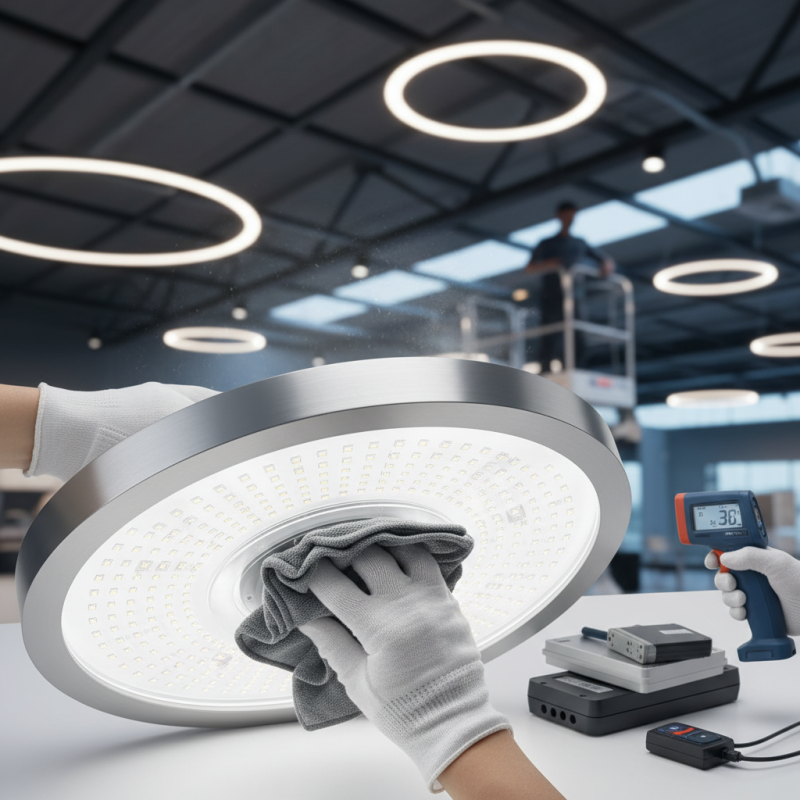
10 Essential Tips for Maintaining LED Lighting Systems?

Understanding LED Lighting Systems and Their Components

LED lighting systems are becoming increasingly popular due to their efficiency and longevity. Understanding the components of these systems is vital for effective maintenance. An LED lighting setup typically consists of the LED diodes, a driver, heat sinks, and a housing unit. Each part plays a crucial role in the system’s overall performance.


The LED diodes are the heart of the system. They emit light when an electrical current passes through them. However, they can degrade over time due to heat and power variations. The driver also deserves attention. It regulates current and voltage, ensuring a steady output. A faulty driver can lead to flickering or dimming lights. Regular checks can help identify issues before they escalate.


Heat management is often neglected. Heat sinks dissipate heat to prolong the life of the LEDs. If they become dusty or blocked, the cooling efficiency suffers. Cleaning them periodically can prevent overheating. Pay attention to any flickering signs, as they may indicate deeper issues. This proactive approach can save time and money in the long run. Understanding these components helps users make informed decisions about maintenance.

Regular Cleaning and Maintenance of LED Fixtures

Regular cleaning and maintenance of LED fixtures is essential for optimal performance. Dust and dirt can accumulate quickly. This grime reduces light efficiency and affects color quality. Schedule cleaning every few months, especially in high-traffic areas. Use a soft, damp cloth to avoid scratches on surfaces.


In addition to dusting, check connections and fixtures regularly. Loose wires can lead to flickering or failure. Inspect for any signs of wear. It’s important to replace damaged components promptly to avoid larger issues. Consider using vacuum attachments designed for delicate surfaces to reach tight spots.


Optimal airflow is crucial for LED longevity. Ensure that fixtures are not obstructed. Hot air can build up and lead to overheating. Place fixtures where they have space to breathe. Monitor the brightness and adjust settings as needed. Over time, you may need to recalibrate to maintain ideal illumination. Regular assessments can prevent unexpected failures.

Optimal Environment Conditions for LED Longevity

Creating the optimal environment for LED lighting systems is crucial to ensure their longevity. LEDs thrive in cool, well-ventilated areas. High temperatures can reduce their lifespan significantly. Keeping ambient temperatures between 20°C to 25°C works wonders. Remember not to place LEDs in enclosed fixtures without ventilation. This can lead to overheating and premature failure.

Humidity is another factor that impacts LED performance. Maintaining a moderate humidity level between 40% and 60% is beneficial. Too much moisture can lead to corrosion and damage. On the other hand, low humidity can create static electricity, which may harm the components inside. Regularly monitoring these conditions is essential.

Dust accumulation around LED fixtures can also be detrimental. A layer of dust can block the light output and trap heat. Cleaning the fixtures regularly can prevent this issue. Use a soft cloth to gently wipe the surfaces. Moreover, consider the impact of light color temperature. A cooler light can sometimes perform better in outdoor settings, while warmer tones might suit indoor environments. These small, seemingly trivial details can make a significant difference in LED system performance.

Importance of Proper Electrical Setup and Wiring

Proper electrical setup and wiring are crucial for the efficiency of LED lighting systems. Poor installation can lead to voltage drops and flickering. Ensure that all connections are tight to prevent heat buildup. Over time, loose connections can create hazards. Regular checks can save you from costly repairs.

Wiring thickness matters too. Using the right gauge minimizes energy loss and maintains performance. Too thin wires can overheat and may not carry the required load. Prioritize safety by using insulated wires. This minimizes risks associated with electrical shorts.

Additionally, environmental factors can affect wiring integrity. Humidity and temperature fluctuations may lead to corrosion. Inspect for wear and tear regularly. Remember, a well-planned electrical layout avoids unnecessary complications later. It promotes system longevity, ensuring your LED lights shine bright for longer periods.

Monitoring Performance and Troubleshooting Common Issues

Monitoring the performance of LED lighting systems is crucial for ensuring their longevity and efficiency. Regular inspections can help identify early signs of issues like flickering lights or changes in brightness. If you notice any abnormal activity, it may indicate a deeper problem. The lifespan of LEDs can drastically decrease if such issues are ignored.

Another common concern is heat management. LEDs produce less heat than traditional bulbs, but they still require proper ventilation. Dust accumulation can impair performance, so keeping fixtures clean is essential. Regular cleaning not only boosts efficiency but also helps in maintaining color quality.

Lastly, understanding the common issues can empower you. For instance, loose connections and power fluctuations may lead to flickering. Having a troubleshooting routine can save time and prevent further damage. Tracking performance metrics can also help in recognizing patterns before small problems escalate into costly repairs.

10 Essential Tips for Maintaining LED Lighting Systems

Tip Number Maintenance Tip Frequency Common Issues Troubleshooting Advice
1 Clean the fixtures regularly Monthly Dirt accumulation Use a soft cloth and mild cleaner
2 Check for loose connections Bi-annually Flickering lights Tighten all wiring connections
3 Inspect for any signs of damage Quarterly Cracks or breaks in fixtures Replace damaged components immediately
4 Monitor power supply levels Monthly Inconsistent brightness Adjust or replace power supplies as needed
5 Check thermal management systems Annually Overheating Ensure proper ventilation and cooling
6 Replace outdated components As needed Increased energy costs Upgrade to higher efficiency LEDs
7 Test emergency backup systems Semi-annually Failure during outages Conduct full functionality tests
8 Evaluate lighting design for efficiency Annually Insufficient lighting Consult with lighting professionals
9 Calibrate dimming systems Bi-annually Dimming issues Adjust settings as per manufacturer’s guidelines
10 Train staff on proper usage Annually User errors Provide training sessions

FAQS

: How often should I clean my LED fixtures?

: Clean LED fixtures every few months, especially in high-traffic areas.

What should I use to clean the fixtures?

Use a soft, damp cloth to avoid scratches on surfaces.

How can I ensure optimal airflow for my LEDs?

Make sure the fixtures have space to breathe and are not obstructed.

What is the ideal temperature for LED lighting systems?

Keep ambient temperatures between 20°C and 25°C for best performance.

How does humidity affect LED performance?

Maintain a humidity level between 40% and 60%, as extremes can cause damage.

What should I do if my LEDs flicker?

Check for loose connections and power fluctuations to resolve flickering issues.

How does dust impact LED efficiency?

Dust can block light output and trap heat, reducing performance over time.

Can poor ventilation lead to LED failure?

Yes, enclosed fixtures without ventilation can overheat and lead to premature failure.

What performance metrics should I monitor?

Track brightness and identify changes to catch issues early before costly repairs.

How can I recalibrate my LED settings?

Adjust settings based on monitored brightness to maintain optimal illumination.

Conclusion

Maintaining LED lighting systems is crucial for ensuring their longevity and optimal performance. To effectively learn how to maintain LED lighting systems, one must start by understanding the essential components that make up these systems. Regular cleaning and maintenance of LED fixtures help to eliminate dust and debris, which can impair functionality. Additionally, creating optimal environmental conditions, such as controlling temperature and humidity, can significantly extend the service life of LED lights.

Proper electrical setup and wiring are foundational to preventing potential issues, as faulty connections may lead to performance degradation. Lastly, it’s important to monitor the performance of LED systems and be proactive in troubleshooting any common issues that arise. By adhering to these guidelines, users can enhance the efficiency and durability of their LED lighting systems.

Amelia

Amelia

Amelia is a seasoned marketing professional with a wealth of expertise in our company’s core offerings. With an unwavering passion for driving growth and innovation, she plays a pivotal role in shaping our marketing strategies and enhancing brand visibility. A key aspect of her responsibilities......