How to Extend LED Strip Lifespan for Better Performance?

Time:2026-06-22 Author:Henry
0%

In the world of LED lighting, understanding how to extend LED strip lifespan is crucial for both consumers and professionals. Research indicates that improperly managed LED strips can lose up to 30% of their brightness within just a year. These losses often stem from overheating and insufficient power supply. For instance, a report by the U.S. Department of Energy emphasizes that maintaining optimal operating conditions can increase LED longevity significantly.

Regular maintenance practices are vital. For example, ensuring proper heat dissipation can help LEDs perform efficiently. However, many users overlook this critical aspect, leading to premature failures. Adopting simple measures, such as using heat sinks and ensuring adequate ventilation, can greatly enhance performance.

A lack of awareness about the risks poses a challenge for users. Many fail to consider factors like ambient temperature and installation method. Consequently, these oversights may reduce the lifespan of LED strips dramatically. By emphasizing best practices and understanding the significance of these details, users can maximize both performance and value of their LED investments.
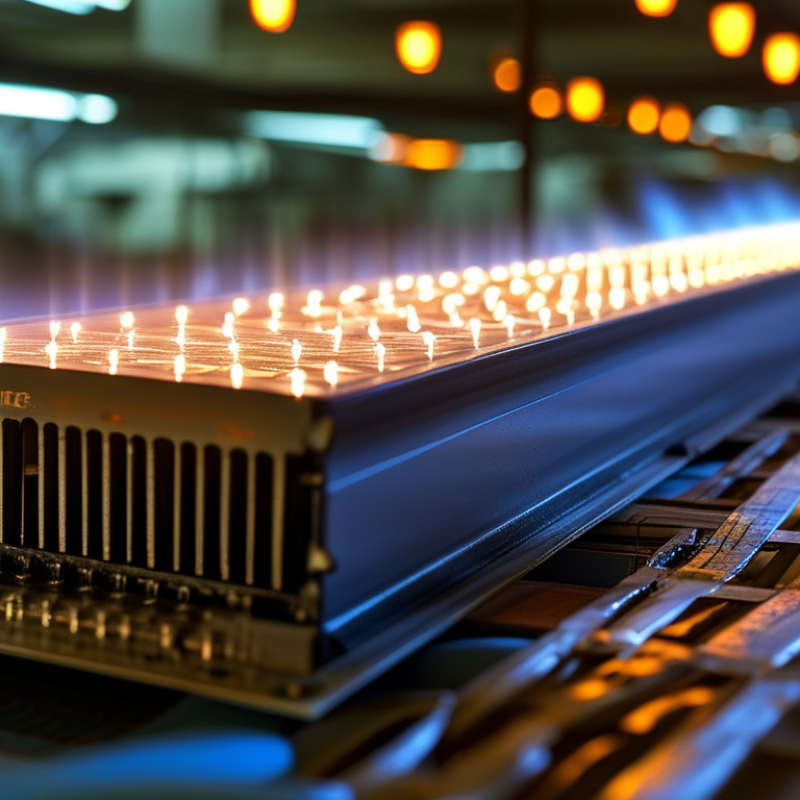
How to Extend LED Strip Lifespan for Better Performance?

Understanding the Factors Affecting LED Strip Lifespan

Understanding the lifespan of LED strips involves several key factors. Heat is one major consideration. Excessive heat can shorten the lifespan significantly. One way to mitigate this is by using proper heat dissipation techniques. This may include installing heat sinks or ensuring sufficient airflow around the strips.

Another important aspect is the quality of the materials used. Cheap components may save money upfront but can lead to quicker burnout. Selecting high-quality strips generally ensures better longevity and performance. When planning your lighting project, always verify the specifications.

Tips: Choose strips with good heat management systems. Regularly inspect connections and spots that may overheat. Also, consider using dimmers. Dimming can reduce heat generation. It’s a simple step yet often overlooked. Make note of the installation environment. Too much moisture or dust can also impact performance negatively. Regular cleaning can enhance your strips’ lifespan.

Choosing the Right Voltage and Current for Your LED Strips

Choosing the right voltage and current for your LED strips is crucial for maximizing their lifespan. LEDs are sensitive to voltage fluctuations. Too high a voltage can lead to overheating, while too low can cause dim lighting. It's essential to match the strip's voltage rating with your power supply. Most LED strips operate at 12V or 24V. Always check specifications before installation.

Tips: Use a multimeter to ensure correct voltage output. Test your power supply before connecting the LEDs. If you notice flickering, it might indicate a mismatch in voltage or current.

Current also plays a significant role in LED performance. Excessive current can shorten the lifespan of your strips. Consider using a constant-current driver. This helps maintain stability and provides consistent brightness. Over time, LEDs may dim due to aging. Installing additional resistors can help regulate current in case of light inconsistencies.

Tips: Monitor the heat generated by your LEDs. Excessive heat often indicates poor current regulation. Adjust accordingly for optimal performance.

Implementing Proper Heat Management Techniques

Heat management plays a crucial role in extending the lifespan of LED strips. Overheating can degrade components and reduce efficiency. Implementing effective cooling techniques is essential for optimal performance.

One of the simplest approaches is ensuring proper ventilation. Installing LED strips in well-ventilated areas allows heat to dissipate more easily. You might consider using fans or heat sinks to enhance airflow. This can significantly improve performance and lifespan.

Another tip is to choose the right mounting surface. Materials with high thermal conductivity can help absorb and disperse heat. Metal surfaces tend to perform better than plastic. Monitor the temperature regularly; this can help identify overheating issues early. Remember, consistent high temperatures may lead to premature failure.

Keep an eye on your power supply, too. An overload can cause excessive heat. Ensure your setup matches the requirements of your LED strips. Adequate heat management is vital; take time to review and refine your techniques.

Utilizing Quality Materials and Components for Longevity

When considering LED strip longevity, the quality of materials and components is paramount. Studies show that up to 80% of LED failures stem from inferior components. Choosing high-quality materials can mitigate this risk significantly. For instance, top-tier copper used in circuit boards conducts electricity more efficiently, reducing heat buildup. Less heat leads to longer-lasting LED strips, often extending their lifespan by more than 50%.

Moreover, the type of power supply is crucial. Inadequate power supplies may lead to inconsistent performance, causing flickering and reduced brightness. Reliable power supplies can enhance the stability of LED strips, which can increase their operational lifespan by 30%. New advancements in materials like silicone for encapsulation also improve moisture resistance. Many users overlook this aspect, yet moisture can severely damage LED strips.

It’s essential to reflect on the sourcing of these materials. Often, cheaper options lure consumers but compromise quality. Not all components labeled as “high-grade” hold up under rigorous testing. Prioritizing quality over cost can seem challenging, yet it pays off in longevity and performance. The initial investment can lead to better efficiency and reduced replacement costs over time.

Regular Maintenance and Care for Optimal Performance

Regular maintenance of LED strips can significantly enhance their lifespan and performance. One crucial aspect is to regularly clean the strip. Dust and grime can accumulate over time, hindering brightness. Use a soft cloth or a gentle brush to wipe the surface. Avoid harsh chemicals; they can damage the strip. A simple wipe with a damp cloth can do wonders.

Heat management is another vital area. LED strips heat up during operation, which may shorten their life. Ensure they have proper ventilation. If they are installed in enclosed spaces, consider adding a fan to dissipate heat. Monitor the temperature occasionally. It’s not uncommon to find strips overheating in poorly ventilated areas.

Another practice is to check connections and wiring regularly. Loose connections can lead to flickering lights or even damage. Inspect the power supply for any signs of wear. Ensure that all components are secured and functional. Small oversights can lead to bigger issues down the line. Regularly reassessing these details helps maintain optimal performance. Simple actions like these contribute to the longevity of your LED strips.

How to Extend LED Strip Lifespan for Better Performance? - Regular Maintenance and Care for Optimal Performance

Maintenance Task Frequency Expected Outcome
Clean the LED strips Monthly Improved brightness and color accuracy
Check for loose connections Bi-Monthly Consistent power supply and performance
Inspect for physical damage Quarterly Prevention of further damage
Adjust ambient temperature As needed Optimal operation and longevity
Update firmware (if applicable) Annually Enhanced features and reliability

FAQS

: What factor significantly affects the lifespan of LED strips?

: Heat is a major factor. Excessive heat can shorten lifespan significantly.

How can overheating be prevented?

Use heat sinks or ensure good airflow around the strips.

Why should I choose high-quality LED strips?

Cheap components can lead to quicker burnout. High-quality strips offer better longevity.

What should I check before installing LED strips?

Verify the specifications and heat management features beforehand.

How can dimming contribute to LED strip longevity?

Dimming reduces heat generation, which helps extend their lifespan.

What environmental factors can negatively impact LED strips?

Too much moisture or dust can affect performance. Regular cleaning is recommended.

What is a common issue with power supplies for LED strips?

Inadequate power supplies can cause flickering and reduced brightness.

How does copper quality affect LED strip performance?

Higher quality copper conducts electricity better, reducing heat buildup and prolonging lifespan.

Why is moisture resistance important for LED strips?

Moisture can severely damage LED strips, hence materials should enhance moisture resistance.

What should I reflect on before purchasing LED components?

Consider the sourcing and quality of materials. Cheaper options may compromise performance.

Conclusion

To understand how to extend LED strip lifespan for better performance, it is essential to consider several key factors. Firstly, choosing the right voltage and current ensures that the LED strips operate within their optimal range, preventing damage due to overloading. Additionally, implementing proper heat management techniques, such as adequate ventilation and heat sinks, can significantly reduce overheating issues that shorten lifespan.

Moreover, utilizing high-quality materials and components contributes to the overall durability and reliability of LED strips. Regular maintenance, including cleaning and inspecting connections, is crucial for maintaining performance over time. By following these guidelines, one can effectively extend LED strip lifespan, ensuring enhanced brightness and longevity for various lighting applications.

Henry

Henry

Henry is a dedicated marketing professional with a profound expertise in the company's offerings. With years of experience in the industry, he possesses an impressive understanding of the market dynamics and consumer behaviors that drive success. Henry is committed to sharing his insights through......