In recent years, LED lighting has gained immense popularity for its energy efficiency and longevity. However, understanding what affects LED lighting lifespan is key to maximizing its potential. Dr. Emily Chen, a leading expert in lighting technology, emphasizes, "The environment and usage conditions drastically influence how long LEDs can last." Her insights shed light on the complexities behind LED longevity.
Several factors come into play regarding LED lifespan. Temperature fluctuations, humidity levels, and electrical conditions are critical. When LEDs operate in environments riddled with extremes, their longevity can drastically diminish. It's essential for consumers and manufacturers alike to recognize these factors. Ignoring them can lead to premature failures, which is costly and frustrating.
Furthermore, the quality of the LED components directly impacts their lifespan. Not all LEDs are created equal, and cheaper options may cut corners on quality. A focus on reliable brands and robust designs can lead to longer-lasting lighting solutions. Exploring what affects LED lighting lifespan can empower users to make more informed decisions, ultimately enhancing both their experience and investment.
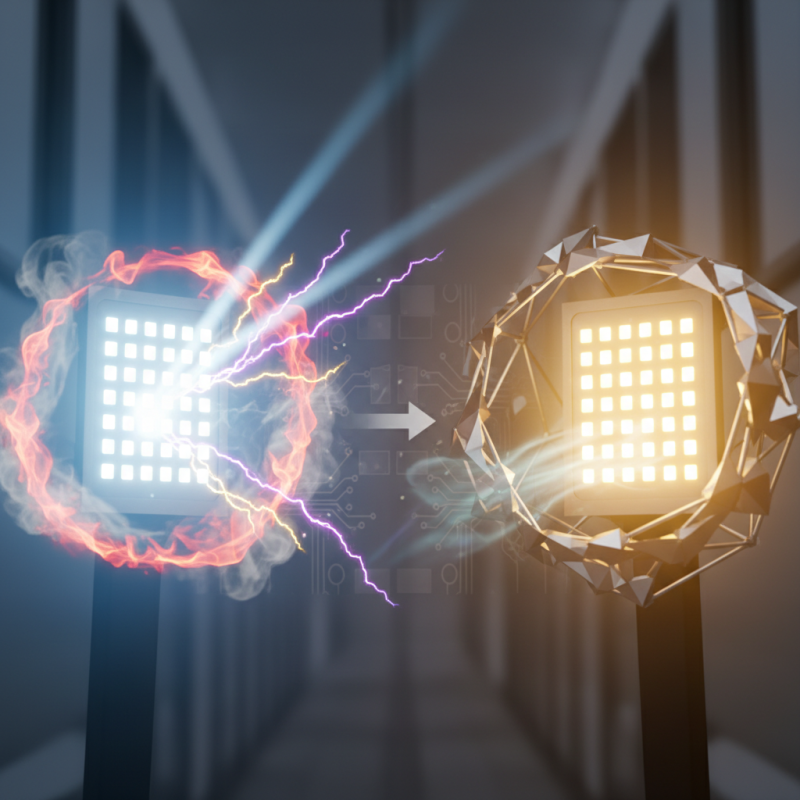
Factors Affecting LED Lighting Lifespan
LED lighting lifespan is influenced by several key factors. One major aspect is temperature. LEDs perform best in cool environments. High heat can significantly reduce their lifespan. Proper ventilation is essential to maintain optimal conditions.
Another critical factor is the quality of components. Cheap materials can lead to failure. Investing in reliable components protects your lighting investment. Pay attention to the driver used in your LED lights. A poor-quality driver can shorten the overall lifespan of the fixture.
Tips for maximizing LED lifespan: keep your lights clean. Dust and debris can trap heat. Regular maintenance ensures efficient performance. Additionally, consider using dimmers. Reducing brightness can lengthen the life of LED bulbs. Monitor usage times as well; frequent on-off cycles may impact longevity.
Selecting the right fixtures is also vital. Match the LED product with your application. For instance, using indoor LEDs outdoors can lead to premature failure. Ultimately, understanding these factors can help you enjoy long-lasting LED lighting.
Understanding LED Technology and Its Components
LED lighting technology has revolutionized the way we illuminate our spaces. Understanding its components is vital for maximizing lifespan. LEDs are made up of various parts, including semiconductors. These semiconductors convert electricity into light. The quality of the materials used plays a crucial role in how long an LED lasts. Poor-quality components may lead to a shorter lifespan and reduced brightness.
Heat management is also essential. Excess heat can damage LED components, causing them to fail prematurely. To ensure proper heat dissipation, install LEDs in well-ventilated fixtures. Avoid airtight lighting environments. This simple adjustment can significantly extend an LED's life. Regularly check if the fixtures have accumulated dust or debris that might obstruct airflow.
Tips: Use dimmers to control brightness. This feature reduces stress on the LED, thus prolonging its lifespan. Consider using a power supply with a consistent output. A fluctuating power supply can wear out LEDs faster. Lastly, avoid frequent on-off cycles. Rapid switching can contribute to LED burnout.
Environmental Conditions Impacting LED Durability
Environmental conditions play a crucial role in determining the lifespan of LED lighting. Temperature fluctuations can significantly impact performance. High heat can lead to faster degradation, while extreme cold may diminish light output. Humidity is another factor; high moisture levels can cause corrosion and affect electrical components.
To enhance LED durability, consider the setting. Install LEDs in well-ventilated areas. This helps dissipate heat effectively. Keeping LEDs away from moisture-prone locations will also support longevity.
Here’s a tip: use a thermostat to monitor temperature levels. This can prevent overheating. Regular maintenance checks are essential. Simple cleaning can remove dust and debris, promoting better airflow and heat dissipation. Make sure the installation is secure to avoid vibrations that can cause wear over time.
Best Practices for Installation and Maintenance of LEDs
When it comes to maximizing the lifespan of LED lighting, proper installation and maintenance play crucial roles. According to the U.S. Department of Energy, LEDs can last up to 25,000 hours or more, but this lifespan can be significantly shortened by incorrect usage. Ambient temperature, excessive voltage, and poor heat dissipation can all contribute to premature failure. Ensuring that LEDs are installed in well-ventilated areas can help manage their operating temperature.
Regular maintenance is also essential for extending LED lifespan. Dust and dirt can accumulate on fixtures, affecting light output and efficiency. A study from the Lighting Research Center highlighted that clean fixtures could maintain 95% of their original brightness over time, unlike dirty fixtures, which can drop by as much as 50%. It is advisable to establish a cleaning schedule to keep LEDs functioning optimally. Furthermore, reviewing the electrical systems to ensure they are stable can prevent voltage spikes that can lead to burnout.
Despite best efforts, challenges remain. Poor-quality installations may not immediately show issues but can lead to long-term inefficiencies. Understanding the intricacies of LED technology is vital for anyone involved in installation or maintenance. Continuous education and adapting to new research findings help address these gaps and improve overall outcomes.
Factors Affecting LED Lighting Lifespan
This chart illustrates various factors that impact the lifespan of LED lighting, rated on a scale from 1 to 10. Higher values indicate a greater negative effect on the overall lifespan of the LED fixtures.
Ways to Optimize LED Usage for Longevity
LED lights are known for their longevity, yet many factors can affect their lifespan. To optimize usage, understanding these factors is crucial. Heat is a primary concern. Excessive heat can degrade LED components. Ensuring proper ventilation is vital. Installing LED fixtures in well-ventilated areas can reduce heat buildup. This simple step can significantly extend their life.
Another factor is the quality of electricity. Voltage fluctuations can damage LEDs over time. Using surge protectors can offer an extra layer of protection. Additionally, ensure that the fixtures are compatible with the LED being used. Mismatches can lead to premature failures, which can be frustrating.
Regular maintenance is also essential. Dust accumulation can block light output and generate heat. Cleaning LED lights periodically helps maintain performance. While many believe LED lights require no maintenance, this is a misconception. Checking connections and inspecting for signs of wear can prevent issues.
What Affects LED Lighting Lifespan and How to Maximize It? - Ways to Optimize LED Usage for Longevity
| Factor |
Description |
Impact on Lifespan |
Optimization Tips |
| Temperature |
LEDs operate efficiently at lower temperatures. |
High temperatures can reduce lifespan significantly. |
Use suitable heat sinks and ensure proper ventilation. |
| Electrical Surge |
Voltage spikes can damage LED circuits. |
Prolonged exposure can shorten lifespan. |
Use surge protectors to shield LED fixtures. |
| Quality of Components |
High-quality materials ensure better performance. |
Poor components can lead to shorter lifecycle. |
Choose LEDs from reputable sources with good reviews. |
| Dimming Control |
Controlled dimming reduces stress on LED. |
Can extend the lifespan significantly. |
Use compatible dimmers to adjust brightness smoothly. |
| Usage Patterns |
Frequent on/off cycling can wear LEDs faster. |
Can shorten the overall lifespan of the light. |
Minimize frequent switching or use timers. |
Conclusion
The lifespan of LED lighting is influenced by several key factors, including the technology and components used in the bulbs, as well as the environmental conditions in which they operate. To understand what affects LED lighting lifespan, one must consider aspects such as temperature fluctuations, humidity levels, and exposure to dust and moisture, all of which can impact durability and performance.
Additionally, proper installation and regular maintenance are crucial in maximizing the lifespan of LED fixtures. Following best practices, such as ensuring adequate ventilation and using compatible dimmers, can significantly enhance longevity. By being mindful of these elements and optimizing usage methods, users can effectively extend the life of their LED lighting solutions and ensure they remain efficient and reliable for years to come.
 Halo Light
