 Halo Light
Halo Light
Halo Light
Lighting efficiency in buildings is a critical topic today. Many structures waste energy due to poor lighting design. Understanding how to improve lighting efficiency in buildings can lead to significant cost savings and environmental benefits.
Increasing energy efficiency can seem overwhelming. Simple steps, like using LED lights or daylight sensors, make a substantial impact. Many building owners overlook these practical solutions. They may fear the upfront costs or lack knowledge about modern technologies. However, the long-term benefits often outweigh initial investments.
By making informed choices, anyone can enhance their building's lighting. It’s not just about aesthetics; it's about creating a comfortable and productive environment. Taking the time to assess current lighting systems can reveal areas for improvement. The journey to better lighting efficiency requires effort, but it is a worthwhile endeavor for all stakeholders involved.
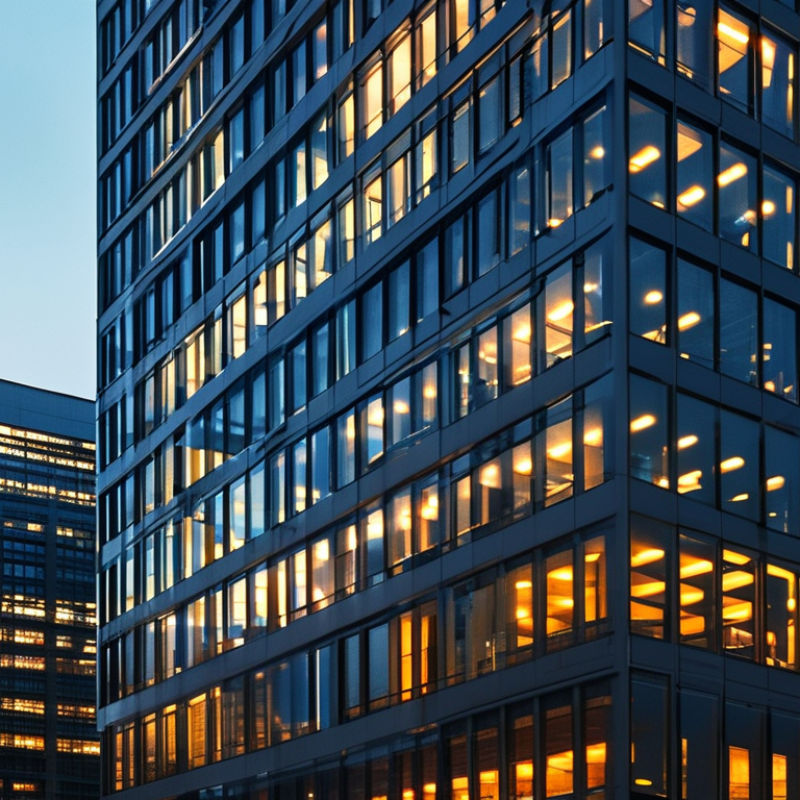
Lighting efficiency in buildings plays a crucial role in enhancing overall sustainability. Efficient lighting reduces energy consumption, diminishes greenhouse gas emissions, and lowers utility costs, making it a vital consideration for modern architecture. Effective lighting strategies can lead to significant long-term savings while providing a comfortable environment for occupants.
In residential buildings, using natural light is one of the easiest ways to improve efficiency. Large windows or skylights can reduce reliance on artificial lighting during the day. This integration of daylight fosters a pleasant atmosphere and can improve productivity. Additionally, energy-efficient bulbs, like LEDs, offer a longer lifespan and consume less electricity than traditional solutions.
However, there are challenges. Not all buildings can easily adapt to natural light. Some may face structural limitations that hinder proper window placement. Indoor lighting design also matters; poor layouts may lead to uneven light distribution and increase energy waste. It's essential to consider how spaces will be used and the light requirements that come with that use. Balancing aesthetics and functionality requires thoughtful planning and a willingness to rethink traditional designs.
| No. | Strategy | Description | Expected Savings (%) |
|---|---|---|---|
| 1 | Install LED Lighting | Replace traditional bulbs with LED lights for higher efficiency. | 50 |
| 2 | Use Daylight Harvesting | Utilize natural light through windows to reduce electric lighting needs. | 30 |
| 3 | Implement Smart Lighting Controls | Use sensors to adjust lighting based on occupancy and natural light levels. | 40 |
| 4 | Optimize Lighting Design | Design spaces to maximize the effectiveness of light, reducing unnecessary fixtures. | 20 |
| 5 | Regular Maintenance | Ensure fixtures and controls are cleaned and functioning optimally. | 15 |
| 6 | Install Dimmers | Allow users to control brightness depending on needs and time of day. | 25 |
| 7 | Use Task Lighting | Provide focused lighting for specific tasks, reducing overall lighting use. | 20 |
| 8 | Apply Reflective Surfaces | Use reflective walls and surfaces to enhance light distribution in spaces. | 10 |
| 9 | Educate Building Occupants | Raise awareness on the importance of energy-efficient lighting practices. | 5 |
| 10 | Conduct Regular Audits | Evaluate current lighting systems to identify areas for improvement. | 15 |
: Lighting efficiency reduces energy consumption and lowers utility costs while enhancing sustainability in buildings.
Large windows and skylights reduce reliance on artificial lighting and create a pleasant atmosphere.
Structural limitations and poor indoor layouts can hinder effective lighting distribution and waste energy.
Daylight harvesting uses natural light to significantly reduce energy consumption, potentially lowering lighting energy use by 40%.
They adjust brightness based on occupancy, reducing energy waste while maintaining comfort.
Outdated setups can lead to inefficiencies, even with energy-saving fixtures in place.
They adjust indoor lighting as daylight changes, enhancing energy savings and aesthetic appeal.
Over-illumination waste energy, so it’s vital to assess lighting needs and avoid excessive brightness.
Position south-facing windows strategically and use lighter colors to reflect natural light effectively.
Engaging users helps identify specific needs, leading to better solutions for lighting efficiency and satisfaction.
Improving lighting efficiency in buildings is essential for energy conservation and cost reduction. Understanding the significance of efficient lighting systems is the first step in creating a sustainable environment. By assessing the current lighting performance, building managers can identify areas for improvement. Implementing energy-efficient lighting technologies, such as LED fixtures, plays a crucial role in reducing energy consumption. Additionally, integrating daylight harvesting techniques helps maximize natural light, further enhancing illumination and reducing reliance on artificial sources.
Regular maintenance and strategic upgrades of lighting fixtures are vital to ensure long-term efficiency. By adopting these practices, facilities can significantly enhance their lighting efficiency, leading to improved energy performance, reduced operating costs, and a more comfortable space for occupants. Ultimately, knowing how to improve lighting efficiency in buildings empowers stakeholders to make informed decisions that benefit both the environment and the bottom line.
