How to Install LED Neon Flex for Your Signage Needs?

Time:2026-06-07 Author:Mason
0%

As businesses increasingly adopt LED neon flex for signage, understanding how to install LED neon flex for signage becomes essential. According to a 2023 industry report by the Sign Research Foundation, LED signage can increase visibility by 150% compared to traditional materials. This striking data emphasizes the growing importance of effective installation.

Expert Alex Johnson, a leading figure in signage solutions, states, “The right installation technique can completely transform your brand’s visibility.” His insight highlights that even the best materials can fall flat without proper applications. Many that attempt DIY installations encounter challenges. Common issues include misalignment and inadequate adhesive usage. These errors can detract from the overall aesthetic and function of the signage.

Incorporating LED neon flex requires precision and attention to detail. Electricians and sign makers must stay informed about the latest techniques. However, the learning curve can be steep for newcomers. Exploring information on how to install LED neon flex for signage can help mitigate some of these pitfalls.
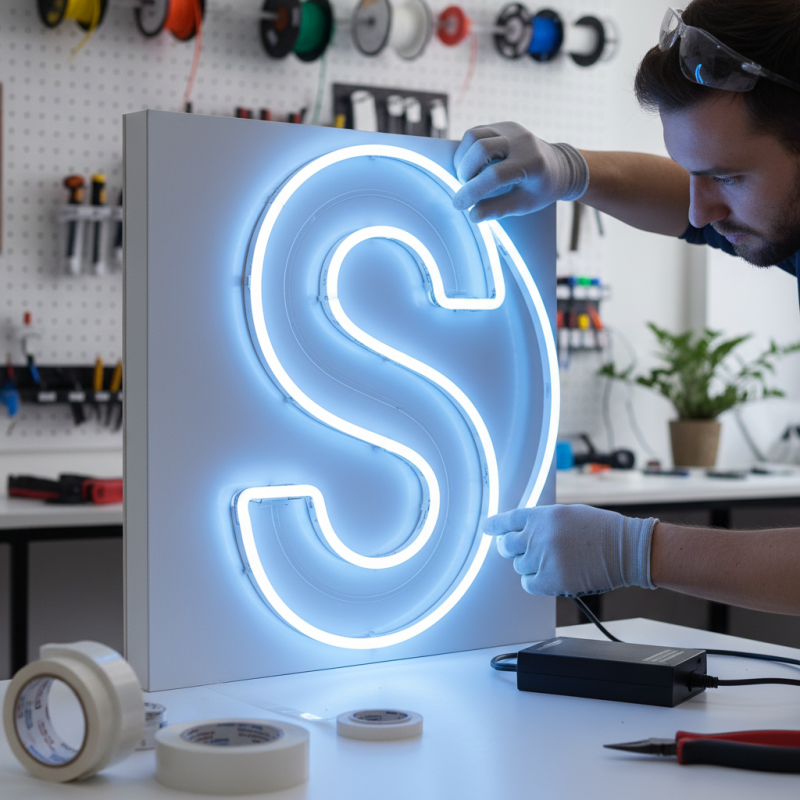
How to Install LED Neon Flex for Your Signage Needs?

How to Choose the Right LED Neon Flex for Your Signage Project

Choosing the right LED neon flex for your signage project is crucial. First, consider the intended use of the sign. Is it for indoor or outdoor display? Indoor signs may require less weather resistance than outdoor ones, but brightness and visibility still matter.

Assess the space where the sign will hang. A large area might need a more intense glow, while smaller spaces benefit from softer lighting.

Color choice is essential. LED neon flex comes in various hues. Bright colors catch attention quickly, while softer tones evoke calmness. Think about your brand message and audience preferences. You might experiment with different color combinations to see what resonates.

Evaluate the power requirements. Some LED neon flex options are more energy-efficient than others. This choice affects long-term operating costs. It can be frustrating to select a product that doesn’t fulfill expectations. If unsure about durability or brightness levels, seeking expert opinions can provide clarity.

Always request sample pieces when possible. They can help visualize how the sign will look in the chosen setting. Choosing wisely can lead to stunning visual results you can be proud of.

Pre-Installation Considerations: Tools and Materials Needed for LED Neon Flex

When planning to install LED neon flex for your signage, it's crucial to gather the right tools and materials. Start with measuring tape for accurate lengths. A pair of scissors is essential for cutting the LED neon flex at designated points. Additionally, you'll need a power supply compatible with your lighting. Check the voltage requirements before proceeding.

Also, consider mounting hardware, such as brackets or adhesive strips. These items ensure stability when attaching the neon flex to your surface. Safety gloves are a smart choice to protect your hands while handling materials. A multi-tool can help with any adjustments.

It’s easy to overlook some details during preparation. For instance, if you choose adhesive, ensure the surface is clean and dry for optimal adhesion. Don’t rush this step—it might seem minor, but it can significantly impact the installation's success. Remember, the quality of installation directly influences the final appearance of your signage. Take your time, think through each phase, and reflect on potential challenges you might face.

LED Neon Flex Installation: Pre-Installation Considerations

Step-by-Step Guide to Installing LED Neon Flex on Different Surfaces

When installing LED neon flex for signage, it’s essential to choose the right surface. Every material has its own challenges. Smooth walls can make it easier to attach. However, textured surfaces may require special adhesives. Measuring the area ensures your design will fit perfectly. A miscalculation can lead to undesired gaps.

Preparation is vital before installation. Clean the surface thoroughly. Dust and grease can prevent proper adhesion. It’s best to use a degreaser for stubborn spots. Lay out the flex on the ground first. This way, you can visualize the placement. Take note of any areas that might need adjustments.

Once ready, start adhering the LED flex. Work slowly along the planned path. Use your hands to press firmly, ensuring good contact. Don't rush this step; it's crucial for durability. If issues arise, don’t hesitate to peel it back and reposition. Light testing is a good idea before finishing. A few minutes of operation can highlight any problems with placement. This process can teach valuable lessons for future projects.

Safety Tips and Best Practices During the Installation Process

When installing LED neon flex, safety should always be your top priority. According to a recent report by the National Fire Protection Association, improper installation can lead to electrical hazards. Ensure that your electrical systems are up to code before you begin the process.

Use appropriate personal protective equipment (PPE), such as gloves and goggles. Make sure you have a fire extinguisher nearby. While LED neon flex is energy-efficient, it's still essential to check for overheating. Experts recommend using circuit breakers to prevent overload.

Tip: Measure your installation area carefully. Not accounting for bends and corners can lead to mistakes. Inconsistent measurements can waste materials and time. Collecting precise data helps avoid this issue.

Don’t rush through the installation. Installing LED neon flex requires patience. A hurried job increases the risk of mistakes that could lead to faulty lighting. Regular inspections during the process can identify issues early, ensuring a safer outcome. Always make sure wires are insulated properly, as exposure can pose dangers.

Maintenance and Troubleshooting for Long-Lasting LED Neon Signs

Maintaining LED neon signs is essential for longevity. Regular inspections help identify issues early. Over time, dust and grime can accumulate, impacting brightness and performance. A study by the Lighting Research Center shows that signs with consistent maintenance can last up to 50,000 hours.

Troubleshooting common problems is vital. Flickering lights often indicate loose connections. Check power sources and connectors. Sometimes, only a simple re-plug is needed. If a section is out, inspect for damage. Cutting the neon flex may be necessary if cracks are found.

Proper storage is also critical. Extreme temperatures can damage the materials. Avoid leaving signs in direct sunlight for extended periods. According to the National Institute of Standards and Technology, significant temperature fluctuations can reduce LED lifespan by 20%. By addressing these details, you enhance your sign's performance and endurance.

FAQS

: What tools do I need for installing LED neon flex?

: You need measuring tape, scissors, a compatible power supply, and mounting hardware.

Why is surface preparation important?

A clean surface ensures better adhesion. Dust and grease can interfere with sticking properly.

Can I install LED neon flex on any surface?

Not all surfaces are ideal. Smooth walls work best, while textured surfaces may require special adhesives.

How should I cut the LED neon flex?

Cut it at the designated points using scissors for the best results.

What should I do if the LED neon flex isn’t sticking?

Check if the surface is clean. You can peel it back and reposition for better adhesion.

How do I visualize the placement before installing?

Lay the flex on the ground first to see how it fits in your planned design.

Why is light testing necessary before finishing?

Testing the lights helps you spot placement issues early, allowing for adjustments.

How do I ensure durability in my installation?

Work slowly and press firmly along the flex. Rushing can lead to problems later on.

What should I keep in mind during installation?

Reflect on potential challenges and don’t ignore small details that can impact the outcome.

Is preparation time really that important?

Yes, taking time to prepare can significantly influence the success of your installation.

Conclusion

When considering how to install LED neon flex for signage, it is essential to start by selecting the right type of LED neon flex that suits your project requirements. This involves evaluating factors such as brightness, color options, and flexibility. Pre-installation considerations include gathering the necessary tools and materials that will facilitate a smooth installation process.

The installation itself consists of a step-by-step guide tailored for different surfaces, ensuring that the LED neon flex adheres properly and looks aesthetically pleasing. Throughout the installation, safety tips and best practices should be followed to ensure a safe working environment. Finally, maintaining and troubleshooting your LED neon signs is crucial for ensuring their longevity and performance, allowing your signage to shine bright for years to come.

Mason

Mason

Mason is a seasoned marketing professional with a deep expertise in the company's offerings and a passion for driving brand awareness. With a strong background in digital marketing strategies, he has an innate ability to connect with diverse audiences and effectively communicate product benefits.......