Why You Should Know the Latest Trends in LED Lighting?

Time:2026-07-01 Author:Charlotte
0%

In recent years, LED lighting has transformed various industries. Understanding what are the latest trends in LED lighting is crucial for anyone involved in design, architecture, or energy management. These trends not only highlight advancements in technology but also address consumer preferences for energy efficiency and sustainability.

For instance, smart LED solutions have gained popularity. They integrate seamlessly with smart home systems, allowing users to control lighting remotely. Moreover, human-centric lighting is emerging, focusing on how light affects mood and productivity. Companies are also prioritizing sustainable practices, pushing for recyclable materials in LED manufacturing.

However, as exciting as these trends may appear, adopting new technologies can be challenging. There is a learning curve associated with smart lighting systems. Moreover, initial costs may deter businesses from fully embracing these innovations. Balancing aesthetic appeal and functionality remains a critical consideration for designers. Staying updated on these trends can ensure that you make informed decisions in this rapidly evolving field.
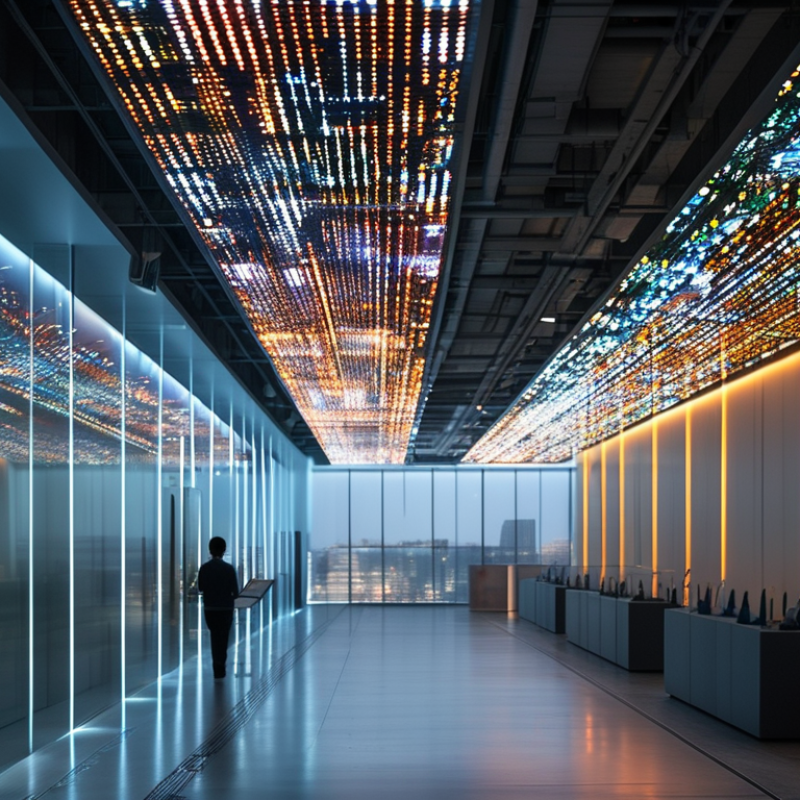
Why You Should Know the Latest Trends in LED Lighting?

Importance of LED Lighting in Energy Efficiency and Cost Savings

LED lighting plays a crucial role in enhancing energy efficiency and achieving significant cost savings. These lights use up to 80% less energy than traditional incandescent bulbs. This reduction directly impacts electricity bills. As consumers seek to lower expenses, LED lighting presents a viable solution.

Switching to LED can be challenging. Some might worry about the initial costs. However, the long-term savings often outweigh this concern. LEDs have a longer lifespan, lasting up to 25,000 hours. This means fewer replacements and less waste over time.

Furthermore, the benefits of LED lighting extend beyond cost. They generate less heat, making homes and offices more comfortable. Yet, it's essential to consider the quality of light produced. Not all LEDs are equal, and some emit a harsh glare. Finding the right type requires research. Balancing efficiency with comfort is key. Every choice must reflect both personal needs and broader environmental goals.

LED Lighting Trends in 2023: Energy Efficiency and Cost Savings

This chart illustrates the various benefits of LED lighting in terms of energy savings, cost reductions, lifespan, and market growth expected in 2023. Understanding these trends is essential for leveraging LED technology effectively in both residential and commercial settings.

Current Market Trends in LED Technology and Adoption Rates

The LED lighting market is evolving rapidly. Current trends show a significant increase in adoption rates, driven by energy efficiency and sustainability. Many businesses and homeowners are switching to LED solutions, motivated by cost savings. The innovative designs and capabilities of modern LED technology are also appealing.

One notable trend is the integration of smart technology into LED lighting. Smart LEDs offer features like remote control and automation. This convenience is changing how people interact with lighting in their spaces. However, there are challenges. Some users may find the initial investment high. Not everyone appreciates the complexity of smart systems.

Environmental awareness is influencing adoption rates. Many consumers now seek eco-friendly alternatives that reduce carbon footprints. LEDs fit this need well. Yet, misinformation about LED longevity and efficiency persists. Some people doubt their benefits due to outdated beliefs. Ongoing education is crucial to dispel these myths. Understanding the latest trends is vital for both consumers and industry professionals. Staying informed can lead to better choices and improved sustainability practices.

Impact of LED Lighting on Sustainability and Environmental Goals

LED lighting has emerged as a crucial element in promoting sustainability and achieving environmental goals. According to the U.S. Department of Energy, LED lighting is significantly more energy-efficient than traditional incandescent bulbs. It uses up to 75% less energy and has a lifespan that can last up to 25 times longer. This efficiency not only reduces electricity demand but also lowers greenhouse gas emissions.

Switching to LED lights can dramatically decrease carbon footprints. A recent study found that if all U.S. households replaced just one light bulb with an ENERGY STAR certified LED, the country would save $4.3 billion in energy costs and prevent the equivalent of 13.3 billion pounds of carbon dioxide from entering the atmosphere. These numbers highlight the tangible benefits of adopting LED technology for both consumers and the planet.

Tip: When transitioning to LED lighting, consider lighting needs. Dimmers and smart controls can optimize energy use and enhance efficiency.

Despite its advantages, there are still challenges. Not all LED products perform equally, and some are prone to flickering or unappealing color temperatures. It's vital to select quality products based on reliable data.

Tip: Research third-party certifications to ensure you're choosing the best options for sustainability. Doing so ensures your choices align with environmental goals and reduces potential waste.

Key Innovations in LED Lighting: Smart Features and Connectivity

LED lighting has entered a new era with the integration of smart features and connectivity. Recent studies indicate that the smart lighting market is projected to reach $18.5 billion by 2027, reflecting an increasing demand for innovation in this field. Smart LED lights can adapt based on user behavior, enhancing energy efficiency by up to 80%. These advancements provide a significant opportunity for businesses and homeowners alike.

Connectivity is a vital aspect of modern LED lighting. Many systems now offer wireless control through smartphones, allowing users to adjust brightness and color remotely. Reports highlight that 60% of consumers prefer lighting solutions with mobile capabilities. This preference indicates a cultural shift toward automation and convenience. However, as technology advances, concerns about privacy and data security in smart lighting systems arise. Users need to reflect on whether they are comfortable with the data these systems collect.

Moreover, energy analytics tools integrated into LED lighting provide insights into usage patterns. This allows for better resource management. Despite the benefits, the complexity of setting up these systems might deter some users. Not everyone is tech-savvy. Addressing these challenges is essential to ensure proper adoption and utilization of smart LED technology in various settings.

Why You Should Know the Latest Trends in LED Lighting? - Key Innovations in LED Lighting: Smart Features and Connectivity

Trend Description Benefits Adoption Rate (%)
Smart Home Integration LED lights can be controlled via smartphone apps and voice-activated systems. Increased convenience, energy management, and automation. 45
Human-Centric Lighting Lighting that adjusts color temperature based on the time of day to mimic natural light. Improved mood, productivity, and well-being. 30
IoT Connectivity Integration of lights with IoT devices for enhanced monitoring and control. Data collection for energy usage, troubleshooting, and optimization. 25
Advanced Dimming Solutions Technology allowing finer control of light intensity and color. Energy savings and customizable ambiance. 40
Sustainable Lighting Options LEDs using recyclable materials or solar-powered solutions. Environmental benefits and lower long-term costs. 35

Future Projections for LED Lighting Growth and Development in 2024 and Beyond

As we move toward 2024, the LED lighting market is poised for significant growth. Recent reports indicate that the global LED market is projected to exceed $100 billion by 2025. This growth is influenced by the rising demand for energy-efficient lighting solutions across various sectors. Hospitals, offices, and urban developments are all adopting LEDs for better efficiency and lower costs.

Countries are implementing policies that favor green technologies. The shift from traditional lighting to LED is not just a trend but a necessity. In urban areas, cities are expected to replace up to 70% of streetlights with LED technology. This transition can lead to a reduction in energy consumption by over 50%. However, challenges remain. Not all regions have the infrastructure to support such changes. Some consumers still hesitate due to initial costs.

Market analytics show that innovations in smart LED technologies are emerging. These developments include adjustable color temperatures and integrated smart controls. Yet, adoption varies widely. Not every facility can leverage these advancements. Understanding these dynamics is crucial for stakeholders. Awareness of the latest trends can guide investment and purchasing decisions in the upcoming years.

FAQS

: What is driving the increase in LED adoption rates?

: The LED market is growing due to energy efficiency and cost savings for businesses and homeowners.

How do smart LEDs improve user experience?

Smart LEDs allow for remote control and automation, enhancing how people interact with their lighting.

What are some challenges associated with smart LED technology?

Initial costs can be high, and some users may find smart systems complex and hard to manage.

How do LEDs contribute to sustainability?

LEDs use significantly less energy, reducing greenhouse gas emissions and lowering overall electricity demand.

What impact can switching to LED lighting have on a household?

If every U.S. household replaced one bulb with LED, it could save billions in energy costs and reduce carbon footprints.

Are all LED products the same in quality?

No, some LEDs may flicker or have poor color temperatures. Researching options is essential for quality.

Why is ongoing education important for LED technology?

Misinformation about LED longevity persists, so understanding current trends helps consumers make informed choices.

What should I consider when transitioning to LED lighting?

Assess your lighting needs and use dimmers or smart controls to enhance efficiency and save energy.

How can I ensure I'm choosing sustainable LED products?

Look for third-party certifications to confirm that the products meet environmental standards.

What is a common misconception about LED lights?

Some people doubt LED benefits due to outdated beliefs, which can hinder their adoption.

Conclusion

The article "Why You Should Know the Latest Trends in LED Lighting" emphasizes the crucial role of LED lighting in enhancing energy efficiency and driving cost savings for consumers and businesses alike. It highlights the current market trends in LED technology, showcasing the significant increase in adoption rates due to affordability and advanced features. Furthermore, the article discusses the positive impact of LED lighting on sustainability efforts and environmental goals, addressing the growing need for eco-friendly solutions.

Additionally, the piece explores key innovations within the industry, particularly the rise of smart features and connectivity, which enhance user experience and control. As we look to the future, the article projects substantial growth and development in LED lighting by 2024 and beyond, making it essential for individuals and organizations to understand what are the latest trends in LED lighting to stay ahead in this evolving market.

Charlotte

Charlotte

Charlotte is a seasoned marketing professional with a deep understanding of the company's portfolio and a passion for elevating its presence in the market. With a keen eye for detail and a commitment to excellence, she ensures that our professional blog is regularly updated with insightful articles......