When considering what affects LED lighting lifespan, industry expert Dr. Lisa Martinez emphasizes that “the quality of materials used directly impacts longevity.” Understanding the nuances of LED technology is essential for buyers aiming for durable lighting solutions.
LED lifespan can be influenced by several factors, including heat management, power quality, and usage conditions. Proper thermal management reduces overheating, which is a common cause of LED failure. In environments with high humidity or dust, LEDs can struggle to achieve their full lifespan. Therefore, comprehensive knowledge about these elements is crucial for making informed purchases.
Buyers often overlook the importance of quality over cost. Cheaper LEDs may promise longevity but can lack critical components that ensure durability. Reflection on the balance between price and quality can lead to better choices. Ultimately, acknowledging what affects LED lighting lifespan is key. Recognizing these factors can greatly increase satisfaction and performance in LED achievements.
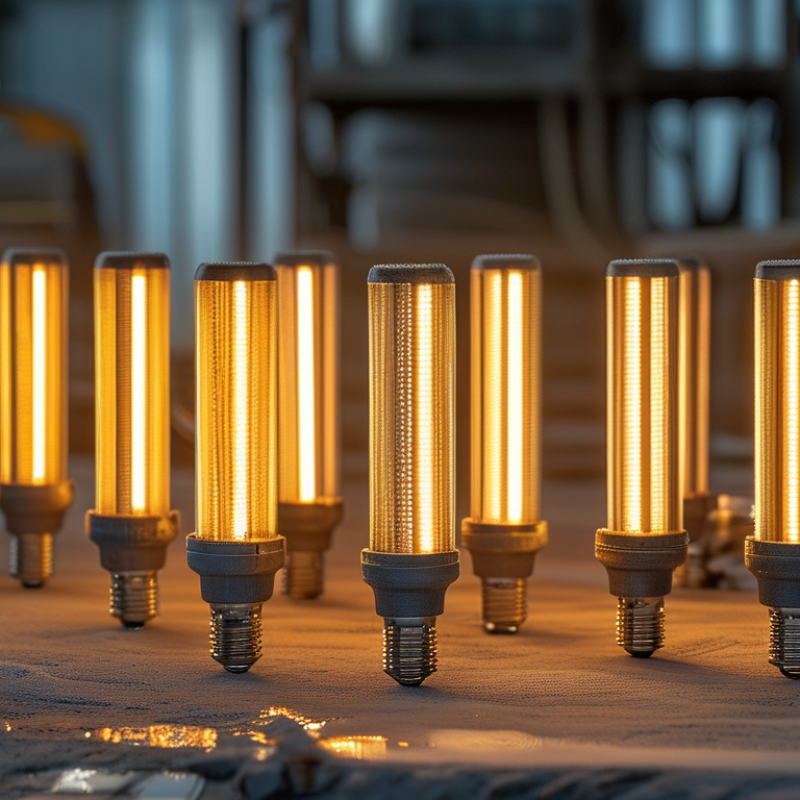
Factors Influencing LED Lighting Lifespan
When considering the lifespan of LED lighting, several key factors come into play. Temperature management is critical. High temperatures can significantly reduce the life of LEDs. For instance, the Illuminating Engineering Society (IES) suggests keeping ambient temperatures below 85°F for optimal performance. Many installations overlook thermal management, leading to premature failures.
Another important aspect is electrical current. Running LEDs at higher than rated power can shorten their lifespan. A report from the U.S. Department of Energy indicates that operating at 20% above the rated current can halve the lifespan. Buyers should pay attention to specifications and choose drivers that match the LEDs’ requirements closely. Mismatched components lead to flickering lights and energy waste.
Lastly, the quality of materials plays a role. Lower-quality components may save money upfront but can compromise longevity. In contrast, a well-made LED can last up to 50,000 hours or more under the right conditions. Investing in quality pays off. However, it's essential to keep in mind that not all manufacturers provide transparent data regarding longevity claims, leading to potential disappointment. Buyers should seek products with verified performance metrics to make informed decisions.
Importance of Quality in LED Lighting Components
Quality in LED lighting components is detrimental to achieving a long lifespan. A recent report from the Department of Energy highlights that high-quality LEDs can last up to 25,000 hours or more. This is significantly longer than lower quality options, which often fail within the first few thousand hours. Key components, such as the driver and chips, play a crucial role. Poorly designed drivers can lead to overheating, which shortens lifespan. Therefore, choosing components wisely is imperative.
Attention to detail in manufacturing processes also matters. Many consumers overlook how the thermal management of an LED affects performance. A 2018 study from the Lighting Research Center indicated that inadequate thermal management can reduce efficiency by up to 30%. This inefficiency results in more frequent replacements and higher operational costs. Buyers need to consider the entire system, not just the light output.
Quality control is another area of concern. Some manufacturers cut corners, leading to inconsistencies. Consumer reports reveal that up to 15% of cheaper LED lights can exhibit defects within the first year of use. Thus, understanding quality indicators, such as certifications and testing standards, is crucial. Investing in quality components not only improves reliability but also enhances overall satisfaction in the long run.
Environmental Conditions Affecting LED Durability
LED lighting has become a popular choice for both residential and commercial applications due to its energy efficiency and long lifespan. However, environmental conditions significantly influence their durability. According to a report by the Department of Energy, heat is a primary factor affecting LED performance. LEDs operate best at cooler temperatures; excessive heat can shorten their lifespan by up to 50%. Adequate thermal management is crucial to ensure consistent performance.
Humidity and moisture are also major players in LED longevity. High humidity can lead to corrosion of electronic components, particularly in outdoor settings. A study from the Lighting Research Center indicates that moisture resistance can reduce failure rates. For buyers, it's essential to consider the installation environment. Areas prone to extreme temperature fluctuations or high humidity levels require specific LED fixtures designed to withstand these conditions.
The quality of materials used in the LED construction also matters. Cheaper components may not perform well in challenging environments, leading to premature failure. Evaluating product specifications and looking for certifications can guide purchasers in making informed decisions. While many LEDs claim high durability, not all options match up under rigorous conditions. Balancing cost with quality becomes a critical aspect of ensuring longevity in LED lighting choices.
Best Practices for Selecting Long-Lasting LED Lights
When selecting long-lasting LED lights, understanding key factors is crucial. The quality of the LED chip used directly impacts lifespan. Premium chips can last up to 50,000 hours, while cheaper alternatives might only endure 15,000 hours. According to the U.S. Department of Energy, better chip quality correlates with more consistent light output and lower failure rates over time.
Heat management is another critical aspect. LEDs are sensitive to temperature. Poor heat dissipation can drastically reduce their lifespan. Some reports indicate that operating LEDs above 85°F can shorten their life by up to 20%. A well-designed heat sink can mitigate this. Customers should look for lights with efficient cooling systems. It’s worth seeking products that specify thermal performance metrics.
Additionally, consider the driver used in the LED light. A high-quality driver enhances energy efficiency and lifespan. Drivers regulate the flow of electricity, impacting overall performance. Studies suggest that a reliable driver can extend LED life by 30%. Buyers should look for certifications and specifications that indicate effective driver technology. Balancing these factors can lead to better purchasing choices and more reliable lighting solutions.
Maintenance Tips to Extend LED Lighting Lifespan
When discussing LED lighting, maintenance plays a crucial role in extending its lifespan. Regular cleaning of LED fixtures helps remove dust and grime, which can reduce brightness and efficiency. Use a soft cloth or brush to gently wipe the lights, avoiding harsh chemicals that might damage the bulbs. This simple act not only enhances performance but also maintains the aesthetic appeal of your space.
Temperature control is equally important. LEDs function best in cooler environments. Overheating can shorten their life. Ensure proper ventilation around fixtures. Avoid placing LEDs in enclosed spaces unless they are rated for it. Monitoring the surrounding temperature can help prevent premature failure.
Many users overlook the importance of proper dimming controls. Using incompatible dimmers can lead to flickering or reduced lifespan. Invest in quality dimmers designed for LEDs. This may seem like an extra step, but it significantly enhances the longevity of your lighting system. Taking these actions can make a noticeable difference in overall performance and lifespan.
What Affects LED Lighting Lifespan Best Practices for Buyers? - Maintenance Tips to Extend LED Lighting Lifespan
| Factors Affecting Lifespan |
Description |
Best Practices |
Expected Lifespan Impact |
| Heat Management |
Excessive heat can reduce the lifespan of LED lights. |
Ensure proper heat dissipation through adequate ventilation. |
+25% |
| Voltage Fluctuations |
Inconsistent voltage can lead to early LED failure. |
Use voltage regulation equipment to stabilize input. |
+20% |
| Environmental Factors |
Dust, moisture, and pollutants can degrade LED performance. |
Install in clean, dry environments and use protective enclosures. |
+15% |
| Quality of Components |
Low-quality components can lead to premature failure. |
Choose certified products from reputable manufacturers. |
+30% |
| Usage Conditions |
Frequent on/off cycles can reduce lifespan. |
Use dimmers or smart controls to minimize switching. |
+10% |
FAQS
: Quality ensures a longer lifespan for LEDs, lasting up to 25,000 hours compared to lower quality options.
Poor drivers can cause overheating, leading to a significantly shorter lifespan for LED lights.
Inadequate thermal management can reduce efficiency by up to 30%, leading to more frequent replacements.
Up to 15% of cheaper LED lights can have defects within the first year of use.
Regular cleaning removes dust and grime, improving brightness and efficiency, which prolongs lifespan.
Proper ventilation is essential. Avoid placing LEDs in enclosed spaces unless rated for it.
Incompatible dimmers can cause flickering and reduce the lifespan of your LED lights.
Use a soft cloth or brush to gently clean LEDs. Avoid harsh chemicals that may cause damage.
Yes, attention to detail in manufacturing affects performance, longevity, and overall satisfaction.
Check for quality indicators such as certifications and testing standards before purchasing LEDs.
Conclusion
Understanding what affects LED lighting lifespan is crucial for consumers looking to make informed purchases. Several factors influence the longevity of LED lights, including the quality of components used in manufacturing, such as chips and drivers. High-quality materials typically result in increased durability and performance. Furthermore, environmental conditions like temperature, humidity, and exposure to dust can significantly impact LED durability.
To maximize the lifespan of LED lights, buyers should follow best practices when selecting products, prioritizing those with reliable certifications and warranties. Regular maintenance, including cleaning and checking for signs of wear, can also help extend the life of LED lighting. By paying attention to these considerations, consumers can ensure they choose long-lasting LED solutions that provide optimal performance over time.
 Halo Light
