Why Does My LED Strip Light Flicker and How to Fix It?

Time:2026-08-25 Author:Charlotte
0%

LED strip lights are popular for their flexibility and efficiency. However, many users experience flickering, which can be frustrating. According to a report by the Lighting Research Center, up to 30% of consumers report issues with flickering in LED lighting systems. This issue can be particularly prominent in residential settings, creating an uncomfortable atmosphere.

Understanding how to reduce LED strip light flickering is essential for ensuring a pleasant lighting experience. Several factors contribute to this problem. Poor quality drivers, incompatible dimmers, or inadequate power supply can all cause flickering. Industry experts emphasize the importance of selecting high-quality products to mitigate such issues.

A reliable solution involves evaluating the specific setup of your LED strips. This includes assessing your power source and ensuring compatibility with your lighting system. While finding the right fix can be challenging, making informed choices can significantly reduce flickering. Constant learning from experiences shared by others can bridge the gap between frustration and satisfaction.
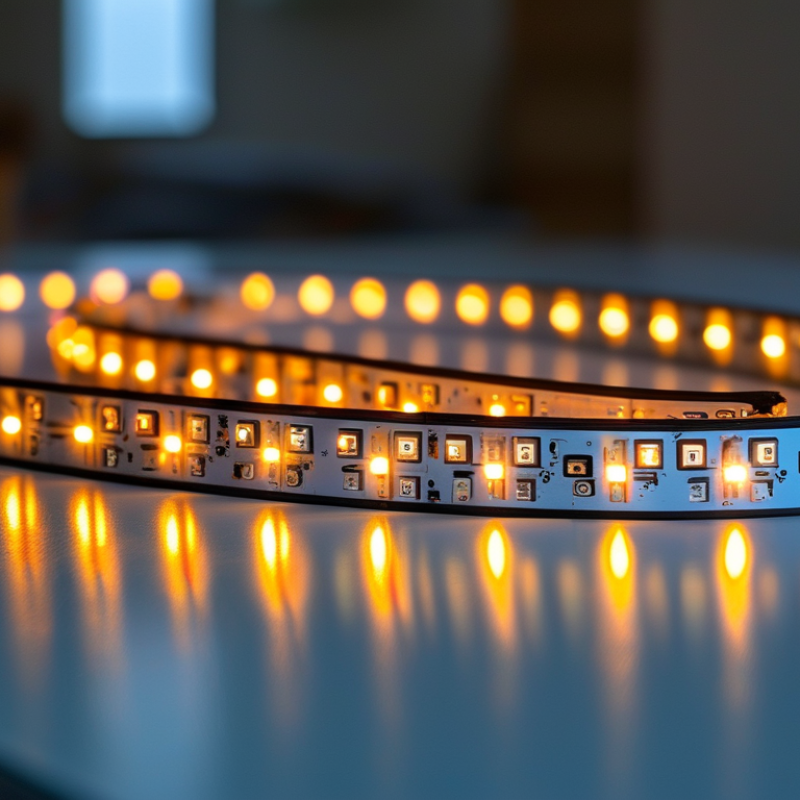
Why Does My LED Strip Light Flicker and How to Fix It?

Understanding LED Strip Light Flickering: Causes and Solutions

LED strip light flickering can be a frustrating issue. Understanding the causes is the first step to finding a solution. Poor connections often lead to flickering. Loose wires or improper connections disrupt the flow of electricity. Take a closer look at your connections. Tightening them may resolve the issue.

Another common reason for flickering is voltage instability. LED strips require a consistent voltage for optimal performance. If they receive fluctuating voltage, they may flicker as a result. Using a reliable power supply can help maintain a steady voltage. Remember, not every power supply is created equal.

Lastly, consider the dimmer switch. Many dimmers aren’t compatible with LED strips. This incompatibility can cause flickering and unwanted lighting effects. If you are using a dimmer, ensure it is LED-compatible. Think critically about your setup. Identifying these minor issues can lead to significant improvements in performance.

LED Strip Light Flickering Causes and Solutions

Common Reasons for Flickering in LED Strip Lights

Flickering in LED strip lights can be frustrating. One common reason is an inadequate power supply. If the power supply does not match the LED strip's voltage requirements, it can lead to inconsistent lighting. For instance, a 12V strip may flicker if connected to a 10V supply. Checking the power supply’s specifications is essential.

Another issue could be fluctuations in the electrical current. If your home experiences voltage spikes or dips, this can directly impact the brightness of your LED strips. Dimmers are another potential culprit. Using an incompatible dimmer switch can cause LEDs to flicker unexpectedly. While dimmers are designed for traditional bulbs, they may not work smoothly with LED setups.

Sometimes, loose connections can also cause flickering. Ensure that all connections are tight and secure. Wire quality matters too; using thin or poor-quality wires can hinder performance. If you find these solutions do not work, consult an expert. A professional can assess your setup and provide tailored advice. Understanding these common causes empowers you to troubleshoot effectively.

How Voltage Fluctuations Affect LED Strip Performance

Voltage fluctuations can significantly impact the performance of LED strip lights. When the voltage supply varies, LEDs might respond unpredictably, leading to flickering or dimming. For instance, a report from the Department of Energy noted that inconsistent voltage can reduce the lifespan of LEDs by up to 30%. This is because LEDs rely on stable power to maintain uniform brightness.

Proper power supply is crucial. If the voltage drops below the required level, the lights may flicker or appear uneven. A study by industry experts indicated that voltage variation beyond ±10% is often problematic for LED systems. Voltage instabilities can result from overloaded circuits or inadequate transformers. Understanding your electrical system is vital to prevent these issues.

For better results, consider using a voltage regulator to stabilize the power supply to your LED strips. Additionally, ensure your electrical circuits are not overloaded. Inspect connections regularly to avoid potential voltage drops. These practices can significantly enhance the performance and longevity of your lighting. Knowledge of your setup can make a difference. Be mindful of how you deploy your LED strips, as environmental factors can also influence electricity flow.

Identifying and Resolving Driver Issues in LED Strip Lights

LED strip lights are popular for their energy efficiency and versatility. However, flickering can be a common issue. One of the primary causes is often related to driver problems. The driver regulates the current and voltage supplied to the LED strips. If the driver is mismatched or faulty, it can lead to inconsistent power supply, causing flickering.

According to industry reports, about 30% of complaints regarding LED lighting concern flickering, primarily due to inadequate drivers. Using a driver that is not designed for the specific LED strip can result in poor performance. This mismatch can occur when the load capacity of the driver does not align with the demands of the strip.

It is essential to choose a compatible driver that matches both the voltage and wattage specifications of the LED strip. The majority of drivers have a recommended load range. Operating outside this range can lead to dimming or flickering. Regularly checking connections and ensuring all components are in alignment will help maintain consistent lighting. Awareness and attention to these details can greatly reduce flickering issues.

Tips for Preventing Future Flickering in LED Strip Lighting

Flickering in LED strip lights can be irritating, but preventing it is achievable. One crucial step is ensuring your power supply suits your LED strip's specifications. Over or under-powered strips often lead to flickering. For instance, if your LED strip requires 12 volts and you provide 24 volts, the effects may include inconsistent brightness and annoying flickering.

Another common issue involves dimmers. Not all dimmers work seamlessly with LED strips. An incompatible dimmer can create instability, causing the lights to flicker. If you desire dimmable lights, investing in a dimmer specifically designed for LEDs is wise. When selecting, check compatibility in the product details.

Regular maintenance also plays a role. Dust buildup can compromise connections and lead to flickering. Perform a routine check on your strips and their connections. Inspect for any loose wires or corroded contacts. Addressing these small issues can significantly enhance performance and reliability. Taking these measures can help create an enjoyable lighting experience without interruption.

Why Does My LED Strip Light Flicker and How to Fix It?

Issue Possible Cause Solution
Flickering Poor power supply or incorrect voltage Use a compatible power supply and ensure correct voltage rating.
Flickering during dimming Incompatible dimmer switch Replace with a dimmer compatible with LED lights.
Rapid flickering Loose connections or damaged wiring Inspect and tighten connections or replace damaged sections.
Inconsistent brightness Overloading the circuit Ensure the circuit can handle the total wattage of the LED strips.
Flicker due to temperature Overheating Provide adequate ventilation and avoid covering the strip.

FAQS

: What effect do voltage fluctuations have on LED strip lights?

: Voltage fluctuations can cause flickering, dimming, or even shorten the lifespan of LED lights.

How much can voltage fluctuations reduce LED lifespan?

Reports suggest that inconsistent voltage can reduce lifespan by up to 30%.

What causes flickering in LED strip lights?

Flickering often occurs due to driver problems or mismatched power supply.

How can I stabilize the power supply for LED strips?

Using a voltage regulator helps stabilize the power supply and maintain consistent brightness.

Why is it important to choose the right driver for LED strips?

A mismatched driver can lead to inadequate power supply, causing flickering or dimming.

What should I inspect regularly to maintain LED performance?

Regularly check connections and ensure circuits are not overloaded to avoid voltage drops.

What is the recommended voltage variation range for LED systems?

Voltage variation beyond ±10% can often be problematic for LED systems.

Can environmental factors influence LED lighting performance?

Yes, environmental factors can significantly impact electricity flow and LED performance.

What is a common issue reported by LED lighting users?

About 30% of complaints are related to flickering, mainly due to driver issues.

How can I enhance the longevity of my LED lights?

Maintain proper connections and avoid overload; these practices can improve performance.

Conclusion

LED strip light flickering can be a frustrating issue for many users, but understanding its causes and solutions can help mitigate the problem effectively. Common reasons for flickering include voltage fluctuations, which can significantly impact the performance of the lights, and driver issues that may arise from incompatible or faulty components. By identifying these factors, users can take appropriate measures to rectify them.

To how to reduce LED strip light flickering, it’s essential to stabilize the voltage by using reliable power sources and ensuring that the transformer or driver is compatible with the LED strips. Regular maintenance and checking for any loose connections also play a crucial role in preventing flickering. Implementing these strategies will help ensure consistent illumination and enhance the longevity of LED strip lighting in various applications.

Charlotte

Charlotte

Charlotte is a seasoned marketing professional with a deep understanding of the company's portfolio and a passion for elevating its presence in the market. With a keen eye for detail and a commitment to excellence, she ensures that our professional blog is regularly updated with insightful articles......