 Halo Light
Halo Light
Halo Light
LED strip lights have gained popularity in home decor. But what are LED strip lights used for? These versatile lighting solutions can dramatically transform spaces. They allow homeowners to create mood and ambiance in any room.
From kitchens to bedrooms, LED strips provide unique lighting options. They can be installed under cabinets, on shelves, or along ceilings. This flexibility allows for creative design possibilities. People often overlook how these lights can enhance everyday life. They brighten dark corners and add color to bland walls.
Some may wonder about the best ways to use LED strip lights. While many find them appealing, others struggle with placement. Experimenting with positions is key. Sometimes, the light can be too harsh or too dim. Learning to balance effects is crucial for the desired outcome. Using LED strips wisely can elevate home decor significantly.
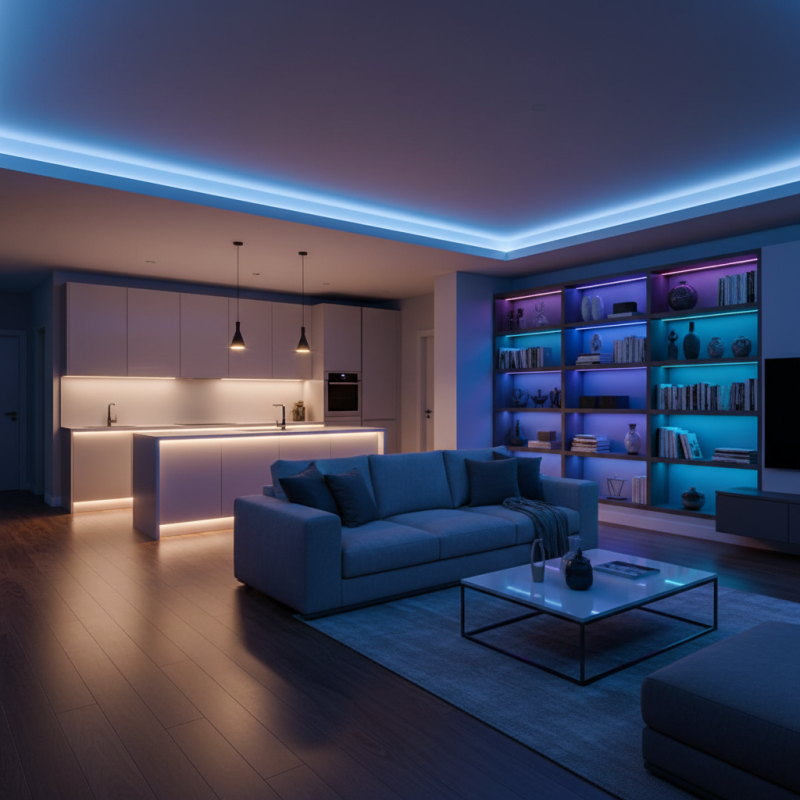
LED strip lights are versatile and popular in home decor, enhancing the atmosphere of any space. These lights come in various types, each suited for different applications.
One common type is the RGB LED strip, allowing users to change colors easily. This feature makes them perfect for parties or relaxing evenings. For a more minimalist look, white LED strips offer a sleek and elegant aesthetic. They can be used under cabinets or along walls to create a clean glow.
Another interesting option is the waterproof LED strip. Ideal for outdoor use, they add flair to patios or gardens. However, installation can be tricky. Ensuring they are properly sealed to withstand elements is crucial. Many people overlook this detail, resulting in frustrating repairs. These options highlight how diverse LED strips can be in transforming spaces.
| Type of LED Strip Light | Common Uses | Color Options | Length Options |
|---|---|---|---|
| RGB LED Strips | Mood lighting, accent lighting, entertainment areas | Multicolor | 16.4 ft, 32.8 ft |
| White LED Strips | Task lighting, under cabinet lighting, ceiling coves | Warm white, cool white | 16.4 ft, 32.8 ft |
| Flexible LED Strips | Curved surfaces, creative decor elements | Single color, RGB | Various lengths |
| Waterproof LED Strips | Outdoor lighting, bathrooms | Single color, RGB | 16.4 ft, custom lengths |
| Smart LED Strips | Automated lighting, app-controlled settings | Multicolor | Varies by brand |
: They can accentuate features, highlight artwork, and create a cozy atmosphere.
Overbrightness can be an issue. Balancing intensity is important for comfort and ambiance.
Under cabinets, along shelves, behind televisions, or under beds work well.
Yes, they consume less power than traditional bulbs, reducing electricity bills.
Measure your space, choose a location, and ensure the surface is clean for adhesion.
Regular cleaning and checking connections can prevent issues like flickering or dimming.
Flickering often indicates a poor connection; check and secure the connections regularly.
Yes, but use waterproof options to ensure safety and durability.
They might not cover large areas well. Assess your lighting needs before installation.
Replace them if you see burn marks or discoloration. These are signs of damage.
LED strip lights are versatile lighting solutions increasingly used in home decor, serving various practical and aesthetic purposes. They are commonly available in different types, such as RGB, warm white, and daylight options, which can be creatively incorporated into various rooms. For example, homeowners can use LED strips to accentuate architectural features, illuminate under-cabinet spaces in kitchens, or create ambient lighting in bedrooms.
The benefits of using LED strip lights for home illumination include energy efficiency, longevity, and the ability to customize brightness and color, enhancing the overall atmosphere of a space. Best practices for installation and maintenance ensure optimal performance and longevity of these lights. Staying updated on the latest trends in LED strip lighting design enables homeowners to refresh their interiors stylishly while achieving practical lighting solutions. Overall, understanding what are LED strip lights used for can greatly enhance home decor and functionality.
