Why Do LED Strip Lights Stop Working in 2026?

Time:2026-06-16 Author:Sophia
0%

In recent years, LED strip lights have gained popularity for their versatility and energy efficiency. However, many users face a puzzling question: "why do LED strip lights stop working?" Industry expert Dr. Emily Chen, a leading researcher in lighting technology, notes, “Understanding the lifespan and limitations of LED products is crucial for consumers.”

As we approach 2026, the issue of LED strip lights failing becomes more pressing. Factors such as heat, voltage changes, and manufacturing defects play a significant role. Over time, components wear out, leading to diminished performance. The risk of buying low-quality strips further complicates matters, causing frustration for users. Many wonder if they made the right choice.

This exploration into the longevity of LED strip lights aims to shed light on common failures and potential prevention strategies. By delving into the reasons behind the question, "why do LED strip lights stop working?" we hope to enhance consumer awareness and promote informed purchasing decisions in the future.
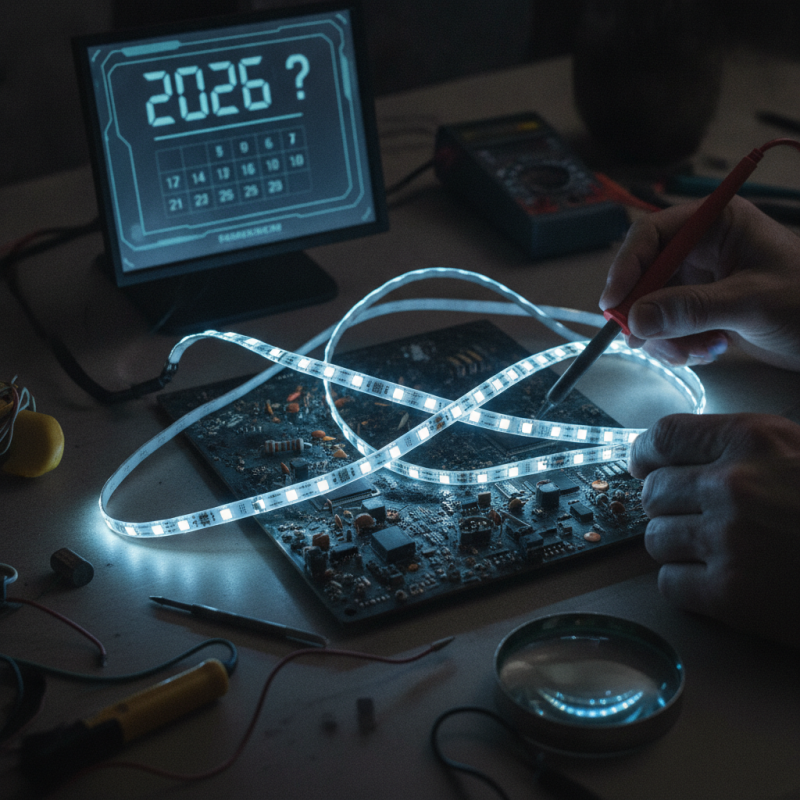
Why Do LED Strip Lights Stop Working in 2026?

Factors Contributing to LED Strip Light Failures in 2026

In 2026, LED strip lights face several challenges that can lead to failure. One significant factor is the degradation of electronic components due to heat. Studies show that prolonged exposure to high temperatures shortens the lifespan of LED drivers. Overheating issues can cause light flickering and, eventually, complete outages.

Another concern is the quality of materials used in manufacturing. Reports indicate that more than 30% of low-cost LED strips utilize subpar components. These cheaper materials may not withstand environmental factors like humidity and dust accumulation. Consumers often notice a decline in brightness or a color shift in their LED strips due to these deficiencies.

Also, improper installation practices contribute to failures. Inadequate wiring or a lack of protective measures can expose LED strips to electrical surges. A survey found that up to 25% of failures are directly related to user errors during installation.

By 2026, these factors highlight the importance of proper maintenance and awareness of quality standards in LED products.

Why Do LED Strip Lights Stop Working in 2026? - Factors Contributing to LED Strip Light Failures in 2026

Failure Factor Description Percentage of Cases Potential Solutions
Overheating Excessive heat can damage LED components. 30% Improve heat dissipation, use heat sinks.
Power Surges Unexpected voltage spikes can harm internal circuits. 25% Utilize surge protectors, install fuses.
Moisture Damage Water exposure can corrode electronic components. 20% Seal connections, use waterproof strips.
Poor Quality Components Low-quality materials lead to failures. 15% Choose reputable manufacturers, check certifications.
Installation Errors Incorrect wiring can cause shorts and outages. 10% Follow installation guides, hire professionals.

Impact of Technological Advancements on LED Longevity

As we approach 2026, the evolution of LED strip lights raises crucial questions about their longevity. Technological advancements often enhance efficiency but can also lead to unforeseen issues. These lights have transformed spaces with their vibrant capabilities and flexibility. However, their lifespan may not match the expectations set by rapid innovations.

One critical factor affecting longevity is heat management. Many modern LED designs push the limits of performance, generating more heat. Excessive heat can shorten the lifespan of components, causing flickering or failure. Even with advanced heat sinks, this problem persists for some products. Users may find themselves replacing lights sooner than anticipated.

Additionally, the quality of materials used in manufacturing plays a significant role. New technologies can lead manufacturers to cut costs, compromising durability. While advancements may promise longer-lasting features, inconsistencies in production can lead to premature failures. Achieving high performance sometimes comes at the expense of reliability. Users must remain vigilant and consider comprehensive reviews when selecting LED lights, ensuring they invest in products that align with their expectations.

Environmental Conditions Affecting LED Performance

Environmental conditions can significantly affect LED strip lights. Temperature extremes can shorten their lifespan. When exposed to high heat, the materials may degrade faster. Similarly, very low temperatures can lead to dim lighting. It’s essential to consider these factors during installation.

Humidity is another critical factor. High moisture levels can cause electrical faults. Corrosion may develop over time, affecting performance. Outdoor environments pose another risk. Dust and pollutants can accumulate on the strips, hindering their function. Sealing methods may not always prevent this. Over time, wear and tear can lead to failure.

Physical impacts also play a role in performance. Strips can be damaged by bending or stretching. This can disrupt connections within the lights. Users often overlook this, leading to avoidable issues. Regular maintenance checks are advisable. Keep an eye on any unexpected flickering or color changes. These could be signs of environmental stress on the LEDs.

Common Manufacturing Defects Leading to Malfunctions

LED strip lights have become a popular choice for home lighting in recent years. However, many users notice that these lights fail to perform as expected, especially by 2026. One major issue stems from common manufacturing defects that can lead to serious malfunctions.

Poor soldering is a frequent problem. This defect occurs when the connections between LEDs and the circuit board are not secured properly. Over time, these weak connections can break, leading to flickering or complete failure of the strip. Additionally, low-quality components within the strip contribute to the problem. Capacitors or resistors that do not meet safety standards can lead to overheating and shortened lifespans.

Furthermore, inadequate quality control during production can result in strips that vary significantly in performance. Some strips may last for years, while others may fail within months. Users often report unexpected failures without warning. Considering these issues emphasizes the importance of awareness when purchasing LED strip lights. Not all products are created equal, and sometimes, the cheapest option is not the best choice.

Common Manufacturing Defects Leading to LED Strip Light Malfunctions

Maintenance Practices to Extend the Life of LED Strip Lights

LED strip lights are becoming increasingly popular for home and commercial use. However, they can malfunction if not properly maintained. Regular maintenance practices can significantly extend their lifespan and improve performance.

One effective practice is to regularly check for dust and debris. Accumulation can lead to overheating. Use a soft cloth to wipe down the strips gently. Ensure the power source is secure and not damaged. Loose connections can cause flickering or failure.

Consider the environment where the lights are installed. Humidity and temperature fluctuations can impact their longevity. Make adjustments as needed to maintain a stable environment. In addition, be mindful of the weight of any surrounding decor. Heavy items can strain the strips, leading to damage over time.

Tips: Always unplug the lights during maintenance. This prevents electrical hazards. Also, invest in good quality connectors and power supplies. Quality components can enhance reliability and performance. Regularly inspecting your LED strip lights can save time and costs in the long run.

FAQS

: What are common manufacturing defects in LED strip lights?

: Poor soldering and low-quality components are frequent defects. Both can cause flickering or total failure.

How does poor soldering affect LED strip lights?

Weak connections may break over time, leading to malfunction or failure of the lights.

Why do some LED strip lights fail quickly?

Inadequate quality control can lead to significant performance variation between strips.

How can dust affect LED strip light performance?

Accumulation of dust can cause overheating, potentially leading to malfunctions.

What maintenance practice could improve LED strip longevity?

Regularly wipe down the strips with a soft cloth to remove dust and debris.

How important is the power source for LED strip lights?

A secure and undamaged power source is crucial; loose connections may cause flickering.

What environmental factors impact LED strip light lifespan?

Humidity and temperature fluctuations can shorten their longevity.

How can surrounding decor affect LED strip lights?

Heavy items can strain the strips, leading to potential damage over time.

What safety tip should be followed during maintenance?

Always unplug the lights to prevent electrical hazards while cleaning or inspecting.

Why should one invest in quality components for LED strips?

Good quality connectors and power supplies enhance reliability and overall performance.

Conclusion

In the article "Why Do LED Strip Lights Stop Working in 2026?", various factors contributing to the failures of LED strip lights are explored. Key aspects include technological advancements that, while enhancing efficiency, may inadvertently affect longevity due to increased energy demands. Additionally, environmental conditions such as temperature fluctuations and humidity play significant roles in diminishing LED performance over time.

Moreover, common manufacturing defects can lead to unexpected malfunctions, emphasizing the importance of quality control during production. To counteract these issues, implementing regular maintenance practices is crucial for extending the lifespan of LED strip lights. By understanding "why do LED strip lights stop working," users can take proactive steps to ensure their lighting solutions remain functional and reliable in the long run.

Sophia

Sophia

Sophia is a dedicated marketing professional with an exceptional depth of knowledge about her company's products and services. With a keen understanding of market trends and customer needs, she crafts insightful blog posts that not only inform but also engage readers, enriching the company’s online......