Halo Light
LED strip lights have become a popular choice for both residential and commercial lighting solutions. However, many users often seek ways to enhance their brightness. Understanding how to make LED strip lights brighter can significantly improve illumination quality, leading to a more inviting and functional space. According to a report by the American Lighting Association, a well-lit environment can increase productivity by up to 20% and enhance mood.
Expert lighting designer, Dr. John Carter, emphasizes the importance of brightness in LED strips. He states, “Brightness is not just about intensity; it’s about creating the right atmosphere.” This highlights the need for techniques that not only increase luminosity but also maintain aesthetic appeal. Common methods include using higher wattage strips or optimizing the power supply. However, these approaches can sometimes lead to overheating or reduced lifespan if not managed properly.
Incorporating reflective materials or diffusers can be a practical adjustment. These options help distribute light evenly without overwhelming the viewer. It’s essential to consider the balance between brightness and comfort. Users often overlook the potential drawbacks of excessive brightness, such as glare or energy waste. By exploring solutions on how to make LED strip lights brighter, users can achieve optimal results while remaining mindful of energy efficiency and comfort.
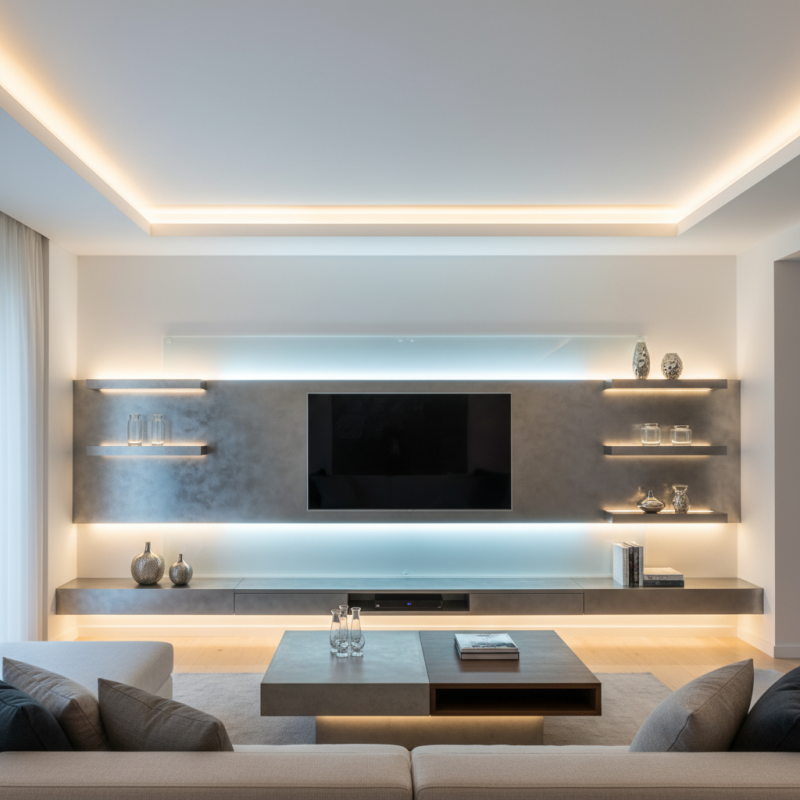
Understanding LED strip light brightness requires delving into several key factors. LED strip lights are measured in lumens. The higher the lumens, the brighter the strip. A standard LED strip can produce around 300 to 1000 lumens per meter. However, brightness isn't solely about lumens. The quality of the light source and the color temperature play crucial roles.
Another important aspect is the LED density. For instance, a strip with 60 LEDs per meter offers less brightness compared to a 120 LED per meter strip, assuming all other factors are the same. According to industry reports, users often experience dissatisfaction due to inadequate brightness in poorly designed products. This indicates a need to consider specifications carefully when selecting LED strips.
Furthermore, environmental factors can affect perceived brightness. Reflective surfaces in a room can enhance illumination, while dark walls might absorb light. A poorly arranged strip can lead to uneven lighting, creating areas that seem dimmer. Enthusiasts often overlook these details, focusing solely on the strip itself. Considering room layout and decor is essential for optimal setup.
When selecting LED strip lights, voltage and wattage are crucial. Most LED strips operate at either 12V or 24V. A study from the Lighting Research Center indicates that 24V strips often produce more consistent brightness. They are less prone to voltage drop, particularly over longer distances. This characteristic can lead to a more uniform illumination in larger areas.
Choosing the correct wattage is equally important. Generally, higher wattage translates to brighter lights. Many LED strips provide around 4-24 watts per meter, depending on their intended use. According to the National Electrical Manufacturers Association, using a strip with a higher wattage than required can generate excess heat. This might shorten its lifespan and decrease performance over time.
However, not all situations call for maximum brightness. Sometimes, less intense lighting works better for ambiance. Overshooting on brightness can lead to harsh light, making a space feel uncomfortable. Evaluating your needs before purchase ensures a better fit, with brighter not always being better. This thoughtful consideration leads to optimal performance and durability.
When it comes to enhancing the brightness of LED strip lights, choosing the right power supply is crucial. Many users underestimate the impact of voltage and wattage on performance. A report from the National Renewable Energy Laboratory indicates that using a power supply with insufficient wattage can lead to dim lighting and inconsistent performance. Ideally, selecting a power supply that exceeds the required wattage by 20% can improve luminance considerably.
The type of power supply also matters. A constant voltage power supply often delivers a steady current, which is essential for consistent brightness. According to industry experts, fluctuations in power can cause LED strips to flicker or dim. For example, a 12V LED strip needing 2A should ideally be paired with a power supply rated for at least 2.4A. This ensures the strip operates at optimal brightness without strain.
Even with the right power supply, other factors can influence brightness. Environmental elements, like the color of the surface where the LED strips are installed, can absorb or reflect light. Additionally, prolonged use often leads to a gradual decline in brightness as LED components age. Monitoring the performance over time allows users to identify when replacement or upgrades are necessary. Understanding these aspects can make a significant difference in achieving the desired illumination.
Using reflective surfaces can significantly enhance the brightness of LED strip lights. When proper surfaces are used, they bounce light effectively throughout the room. Walls, ceilings, or specially designed panels can maximize illumination. A well-placed mirror or a glossy white surface can make all the difference.
Consider placing your LED strips along the edges of a shelf or under a cabinet. This setup can create a beautiful ambient glow. The light will reflect off nearby walls, making the space feel larger and brighter. Lack of reflection may lead to dark corners, making your efforts less effective.
Tips: Experiment with different surfaces to see what works best. Matte surfaces can absorb light instead of reflecting it, so prioritize glossy or reflective options. Adjust the angle of your lights for optimal distribution, ensuring a more even spread of brightness. Assess your lighting layout regularly to make improvements based on your needs. Let each reflection guide your way to brighter spaces.
Adding additional LED strips can significantly enhance brightness and improve illumination in any space. Studies show that increasing the number of LED strips can result in a notable boost in lumens per square foot. For instance, an extra strip in a standard 10x10 room can increase brightness by up to 60%. This data highlights the importance of planning your layout carefully.
Selecting the right placement for these strips is crucial. Positioning strips along walls or under cabinets can create a more diffused, evenly distributed light. This technique minimizes harsh shadows. It’s worth noting, however, that simply adding more strips without considering energy output can lead to overheating. A careful balance is necessary to maintain optimal performance.
Reflective surfaces can further amplify the effect of additional strips. According to industry reports, colors like white or light grey can enhance light diffusion by as much as 30%. However, be cautious about over-lighting a space; it can create glare and discomfort. Finding the right balance between brightness and comfort is a challenge many face. Experimentation with placement and reflective materials may lead to the best results.
| LED Strip Type | Brightness (Lumens per Meter) | Power Consumption (Watt per Meter) | Recommended Length for Optimal Brightness (Meters) | Additional Strips for Increased Brightness |
|---|---|---|---|---|
| 5050 LED Strip | 1000 | 12 | 5 | 2-3 Strips |
| 2835 LED Strip | 950 | 10 | 4 | 1-2 Strips |
| 3528 LED Strip | 700 | 6 | 3 | 2 Strips |
| RGB LED Strip | 800 | 14 | 4 | 1-2 Strips |
: Brightness is measured in lumens. Higher lumens mean brighter lights. Typical output ranges from 300 to 1000 lumens per meter.
No, quality of the light and color temperature are important too. LED density also plays a significant role.
A strip with more LEDs, like 120 per meter, tends to be brighter than one with 60 per meter, all else equal.
Yes, reflective surfaces can increase brightness. Dark walls absorb light, making areas appear dimmer.
Higher wattage usually means brighter lights. But too high can generate excess heat, shortening lifespan and performance.
It’s ideal to choose a power supply with wattage 20% higher than needed. Constant voltage supplies work best for brightness.
Insufficient wattage can lead to dim lights. A steady current from a good supply keeps brightness consistent.
Prolonged use can decrease brightness as components age. Regularly monitoring performance helps identify when upgrades are needed.
Yes, excessive brightness can create harsh lighting. Balancing intensity for ambiance is often better for comfort.
Room layout and colors matter. This affects how light is reflected or absorbed, influencing perceived brightness.
To understand how to make LED strip lights brighter, it is essential to grasp the basics of LED brightness, which includes factors like voltage and wattage. Selecting the correct voltage for your LED strips can significantly impact their luminosity, ensuring that they operate at optimal performance. Additionally, using a proper power supply tailored to your specific LED strips provides the necessary current to enhance brightness without flickering.
Improving brightness can also be achieved through the strategic use of reflective surfaces that help distribute light more evenly across a space. For those seeking even greater illumination, adding more LED strips can effectively increase overall brightness, allowing for customized lighting solutions that cater to specific needs. By following these guidelines, you'll be able to achieve a more vibrant and well-lit environment with your LED strip lights.
