How to Make LED Strip Lights Brighter Easily?

Time:2026-08-20 Author:Madeline
0%

When it comes to enhancing home lighting, the question of how to make LED strip lights brighter is frequently asked. Renowned lighting expert Sarah Thompson states, "Maximizing the brightness of LED strips is often about using the right techniques." Understanding these techniques can transform dull spaces into vibrant areas.

Many homeowners are unaware of simple adjustments that can boost brightness. For instance, using a higher voltage power supply or ensuring proper placement can significantly affect illumination. Each detail matters. A too-tight installation can lead to dimmer lights. Unforeseen factors like ambient light can also impact perception of brightness.

Additionally, the issue of color temperature often surfaces. Warmer tones can feel less bright compared to cooler ones. Experimenting with different colors can lead to unexpected outcomes. Exploring these methods not only enhances visibility but also personalizes the lighting experience. The journey of figuring out how to make LED strip lights brighter is often filled with trial and error but can yield satisfying results.
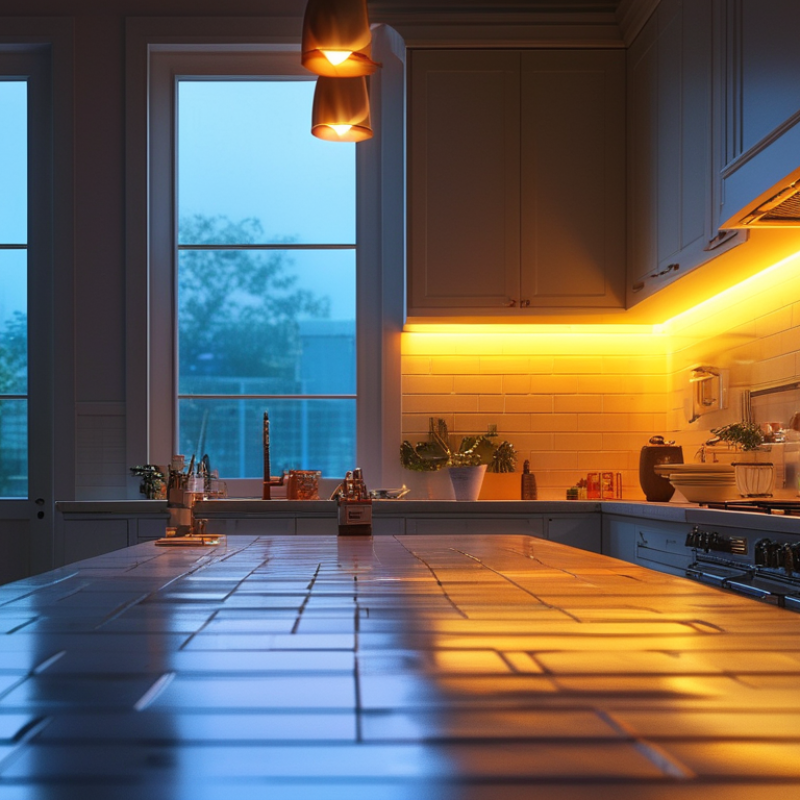
How to Make LED Strip Lights Brighter Easily?

Understanding LED Strip Lights and Their Brightness Factors

Understanding LED strip lights involves recognizing several key factors that influence their brightness. Generally, the brightness of LED strip lights is measured in lumens per foot. Reports suggest that typical LED strip lights generate between 300 to 800 lumens per foot, but this varies based on the LED density and type. Higher density strips, with more LEDs per foot, typically provide better illumination. Opting for strips with at least 60 LEDs per meter can enhance brightness significantly.

Another critical factor is the quality of the LED chips used. According to a study by the Lighting Research Center, the efficiency of LED chips can be drastically different. Higher-quality chips often offer better lumens per watt ratios, translating to greater brightness without excessive power consumption. The color temperature also plays a role; strips with a higher Kelvin rating usually appear brighter. However, it’s important to note that brighter doesn’t always mean better; the right balance of warmth and brightness must align with your space's needs.

Reflectors and light diffusers can amplify perceived brightness. They direct and scatter light effectively, enhancing overall visibility. The installation method matters as well. Poor positioning can lead to darker areas. Users often overlook these details, leading to inadequate lighting. Adjusting placement or using additional diffusers may be necessary to achieve optimal brightness while considering ambient conditions.

Choosing the Right LED Strip Lights for Enhanced Brightness

When selecting LED strip lights for enhanced brightness, several key factors play a pivotal role. Lumens, the measure of light output, should be a top consideration. According to industry reports, quality LED strips can emit between 300 to 1000 lumens per meter. Strips with higher lumen counts provide more light and can significantly enhance the brightness in any space.

Color temperature is another crucial aspect. Choosing a warmer or cooler light can influence the ambiance of a room. The most popular ranges for home use are between 2700K and 5000K. Warm lights create a cozy atmosphere, while cooler tones offer clarity and focus. According to the U.S. Department of Energy, LEDs that emit light above 4000K are up to 20% more efficient, making them a better option for achieving brightness without consuming excessive power.

Finally, consider the power supply. An adequate power supply ensures that LED strip lights receive the necessary voltage for optimal performance. Insufficient power can lead to dim lighting and inconsistent outputs. Regularly, DIY enthusiasts find that overloading a power source can lead to flickering or even damage. Therefore, it's vital to choose an appropriate power supply rated for the specific strip's wattage requirements. This oversight can significantly impact the overall brightness and lifespan of the installation.

Optimizing Power Supply for Maximum Illumination

Power supply plays a crucial role in maximizing the brightness of LED strip lights. An inadequate power supply can limit your lights' potential. Ensure that you choose a power supply that matches the voltage and current specifications of your LED strips. This step enhances efficiency and delivers optimal luminosity.

Tips: Use a power supply with a higher wattage than needed. This can prevent overload and prolong the lifespan of your LED lights. Sometimes, it’s not just about the numbers; the quality of the power supply matters too. A well-made power supply minimizes voltage drop, preserving brightness.

In addition, wiring configurations can affect performance. Thin wires can cause resistance and reduce brightness. Consider using thicker gauge wires for longer runs, as they can handle higher currents without significant losses. It's not always straightforward; experimenting with different setups helps identify the best arrangement. Each installation is unique, and adjustments may be necessary to achieve desired brightness levels.

Utilizing Reflectors and Diffusers to Amplify Light Output

Reflectors and diffusers play crucial roles in enhancing the brightness of LED strip lights. Utilizing reflectors can direct light towards desired areas, thereby increasing perceived luminosity. According to a study by the Lighting Research Center, reflectors can boost light output by 30% to 50% depending on their material and design. This efficiency helps in minimizing energy consumption while maximizing visual impact.

Diffusers, on the other hand, scatter light evenly. They minimize hotspots and create a soft, uniform glow. An article in the Journal of Illumination Engineering states that using diffusers can improve the light quality and perception by over 40%. Choosing the right diffuser is vital. Thickness, material type, and texture substantially affect the diffusion level and light distribution.

However, it’s essential to reflect on the trade-offs involved. While reflectors help channel brightness effectively, they may create glare if not angle-adjusted correctly. Similarly, while diffusers enhance light quality, they can reduce overall brightness. Balancing these aspects is crucial. Experimenting with different combinations can lead to ideal lighting for various settings. Aim for visibility without compromising comfort.

Effectiveness of Reflectors and Diffusers on LED Strip Light Brightness

Proper Installation Techniques to Increase LED Brightness

Proper installation techniques play a crucial role in maximizing the brightness of LED strip lights. When installing these lights, ensure that you start with a clean, dry surface. Dust or moisture can hinder adhesion and affect performance. Use a suitable mounting method, such as clips or adhesive tape. This helps achieve better contact and reduces light loss.

Another important factor is the power supply. Ensure you use a quality power source that matches the strip's voltage requirements. An inadequate power supply may cause dimming or flickering. If the LED lights have a lower output, consider running fewer strips in series. This improves overall brightness.

Tips:
- Keep LED strips away from heat sources to avoid damage.
- Consider using reflective surfaces behind the strips to amplify brightness.
- Regularly check for loose connections for optimal performance.

Improper installation can lead to disappointing results. Take the time to plan your layout carefully, ensuring even distribution of lights. Sometimes, simple adjustments can lead to significant improvements in brightness.

How to Make LED Strip Lights Brighter Easily? - Proper Installation Techniques to Increase LED Brightness

Installation Technique Impact on Brightness Additional Tips
Proper Voltage Supply Ensures maximum brightness output Use a power supply matching LED requirements
Installation Angle Affects light diffusion Install at a 45-degree angle for better spread
Color Temperature Warmer colors may appear dimmer Opt for cooler temperatures for a brighter look
Length of the Strip Longer strips can diminish brightness Keep strips under recommended length for full brightness
Reflective Surfaces Enhances perceived brightness Install near reflective materials to amplify effect

FAQS

: What role do reflectors play in LED lighting?

: Reflectors direct light to specific areas, increasing perceived brightness by 30% to 50%.

How do diffusers enhance LED light quality?

Diffusers scatter light evenly, minimizing hotspots and creating a uniform glow.

What factors affect diffuser performance?

Thickness, material type, and texture significantly impact diffusion and light distribution.

Can reflectors create issues if not installed correctly?

Yes, improper angles may cause glare, affecting overall visibility and comfort.

Why is proper installation crucial for LED brightness?

A clean, dry surface ensures better adhesion, improving light output and reducing loss.

What happens if the power supply is inadequate?

An inadequate power supply may lead to dimming or flickering of the LED lights.

What tips can improve LED brightness during installation?

Use reflective surfaces behind strips and check for loose connections regularly.

Are there trade-offs when using reflectors and diffusers?

Yes, reflectors enhance brightness but may create glare; diffusers improve quality but reduce overall brightness.

How can adjusting LED strip layout impact brightness?

Careful planning can achieve even distribution, leading to significant brightness improvements.

What should be avoided to prevent damage to LED strips?

Keep LED strips away from heat sources to maintain performance and longevity.

Conclusion

In this article, we explore how to make LED strip lights brighter through various strategies. Understanding the brightness factors of LED strip lights is crucial, as it influences how effectively they illuminate a space. Choosing the right type of LED strip, considering lumens per foot and color temperature, can significantly enhance brightness.

Moreover, optimizing the power supply ensures that the strips receive adequate voltage and current for maximum illumination. The use of reflectors and diffusers can amplify light output, spreading the glow more evenly. Finally, employing proper installation techniques, such as ensuring close contact with surfaces and avoiding obstructions, further contributes to increased brightness. By implementing these tips, you can effectively increase the luminosity of your LED strip lights.

Madeline

Madeline

Madeline is a dedicated marketing professional with a wealth of expertise in our company's core offerings. With a keen understanding of the industry, she brings a unique perspective to her role, consistently delivering high-quality content that highlights the superior aspects of our products. As......