10 Proven Ways to Fix Dim LED Strip Lights?

Time:2026-06-19 Author:Ethan
0%

If you're struggling with low brightness in your LED strip lights, you're not alone. Many enthusiasts face this issue. According to renowned lighting expert Thomas Lytton, "A dim LED strip can affect your entire room’s atmosphere." Understanding how to address this problem is essential for anyone looking to enhance their lighting experience.

There are several methods to tackle this common issue. You might find that replacing the power supply or ensuring proper connections can make a significant difference. However, this is not always straightforward, as sometimes the root cause lies deeper within the setup. Learning how to fix dim LED strip lights involves more than just trial and error; it requires insight into lighting systems.

Many users notice that even a small change can lead to brighter results. Yet, it’s important to remember that not all fixes yield instant improvements. Experimenting with different approaches might take time, but it's part of the journey toward achieving optimal lighting. Constant reflection on your setup and adjustments can lead to better outcomes in the long run.
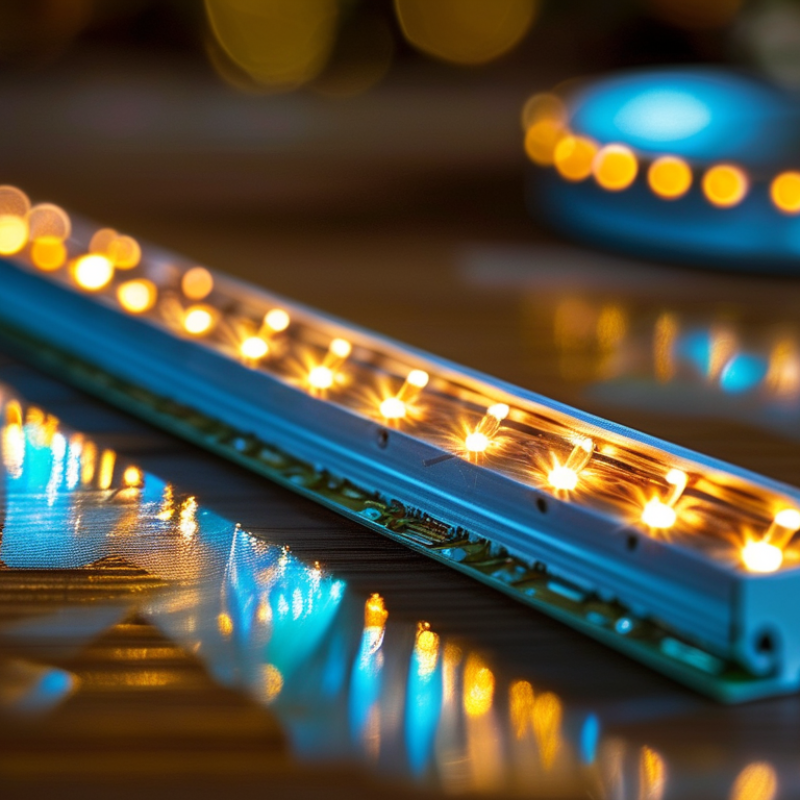
10 Proven Ways to Fix Dim LED Strip Lights?

Understanding the Basics of LED Strip Lights and Their Brightness Issues

When it comes to LED strip lights, understanding their brightness issues is vital. Many users face dim lighting, which can stem from various factors. The power supply, for instance, may not deliver enough voltage. If you are using a low-quality power converter, it might not meet the required wattage. This can significantly reduce light output. Testing with a reliable power source can often yield better results.

Another common factor is the length of the LED strip. Longer strips tend to lose brightness as the distance from the power source increases. To address this, try connecting strips in shorter segments. Alternatively, consider using additional power adapters for longer setups.

Tips: Always check connections. A loose wire can cause dimming. Regularly inspect your setup for wear and tear. This can help maintain the brightness you desire. If you notice flickering, it might be time to replace older strips. Ensuring optimal performance requires vigilance and occasional maintenance.

Common Causes of Dimming in LED Strip Lights: An Expert Analysis

Dim LED strip lights can be frustrating. Understanding the common causes of this issue is crucial for effective troubleshooting. One potential cause is insufficient power supply. If the LED strip requires more voltage than provided, dimming occurs. Check the specifications of your power source. Ensure it matches the voltage needs of your lights. A mismatch can lead to dim performance.

Another issue might be the quality of the LED strip itself. Cheaper strips often compromise on components, leading to longevity issues. Low-quality LEDs may not shine as brightly. Pay attention to reviews and user experiences when selecting your strips. Additionally, poor connections can contribute to dim lighting. Inspect all wiring and connectors for signs of wear or damage. Look for loose connections, as they can hinder the electrical flow.

Overheating is also a concern. LED strips generate heat, and when not adequately managed, it can lead to reduced brightness. Ensure adequate ventilation around your LED installation. Dimming may signal potential problems requiring attention. A combination of these factors can create complex issues. Pay close attention to the symptoms, and investigate the causes methodically.

Measuring Voltage Drop: Importance in LED Performance and Brightness

When it comes to LED strip lights, voltage drop is a key factor directly affecting performance and brightness. Measuring voltage drop helps identify issues that may cause dim lights. High resistance in wiring or long cable runs often contributes to voltage loss. This loss decreases the voltage delivered to the LED, resulting in a weaker glow.

One effective method to mitigate voltage drop is by using thicker wires. Thicker wires have lower resistance, ensuring better voltage retention. Consider this: if your LED strip is long, running 18 AWG wire can decrease the chance of significant voltage drop. Another approach is to connect multiple power sources along the strip. This even distribution can enhance brightness.

When you notice fluctuations in brightness, take time to re-evaluate your setup. Ensure you use adequate wire gauge for the strip length. Check all connections for possible corrosion or damage. Simple adjustments can make a significant difference. Remember, sometimes it’s not a simple fix. Continued dim lighting may require a reevaluation of your overall installation methods.

Effective Solutions: Upgrading Power Supplies for Optimal LED Brightness

Upgrading power supplies is crucial for optimal LED brightness. A high-quality power supply ensures that LED strip lights receive the correct voltage and current. Research shows that inadequate power supplies can reduce LED efficiency by up to 30%. These inefficiencies often lead to dim lighting and increased energy consumption.


LED strips typically operate at a voltage of 12V or 24V. When the power supply is incompatible, it can create fluctuations. Such fluctuations may cause LEDs to flicker or have uneven brightness. Industry experts recommend using a power supply rated at least 20% higher than the total wattage of the connected LED strips. This buffer accounts for potential draw changes and enhances performance.


Regularly inspecting power supplies for overheating is important, too. Temperature fluctuations can degrade performance and shorten lifespan. A dimming effect might signal an overworked power supply. Yet, many users overlook this issue until it becomes problematic. Utilizing a dedicated power supply for each strip can also minimize the risk of dim lighting, ensuring a more consistent and brighter output across the installation.

Choosing the Right LED Strip Light Specifications to Prevent Dimming

Choosing the right specifications for LED strip lights is crucial to avoid dimming. Start by checking the voltage ratings. Most LED strips operate at 12V or 24V. Using a power supply that matches the strip's voltage is important. Mismatched voltage can cause flickering or dim lights.

Also, consider the wattage. Each LED strip has a specific wattage per foot. Exceeding the maximum wattage can cause overheating. This may lead to reduced brightness or even damage. For example, a 16.4-foot strip rated at 4 watts per foot requires 65 watts of power. Ensure your power supply meets or exceeds this requirement.

Additionally, be mindful of the quality of your connections. Poor soldering or loose wiring can lead to voltage drops. This results in uneven brightness. It’s worth inspecting your setup for any weak points. A little attention to detail in the beginning can make a significant difference in performance.

FAQS

: What causes LED strip lights to appear dim?

: Dim lighting may result from an inadequate power supply or a low-quality power converter.

How does the length of the LED strip affect brightness?

Longer LED strips may lose brightness due to increased distance from the power source.

What can I do to improve brightness for longer setups?

Connect strips in shorter segments or use additional power adapters for longer setups.

How often should I check the connections in my LED setup?

Regular inspection of connections is essential to prevent loose wires from causing dimming.

What signs indicate that I need to replace my LED strips?

Flickering lights or consistent dimming may suggest it's time to replace older strips.

How important is the quality of my power supply?

A high-quality power supply can improve efficiency and prevent dim lighting issues significantly.

What voltage do LED strips typically operate at?

LED strips usually operate at either 12V or 24V, depending on the model.

Why should I choose a power supply rated higher than my LED strips' wattage?

Choosing a higher-rated power supply allows for flexibility and enhances overall performance.

How can temperature affect my LED power supply?

Overheating of the power supply may lead to reduced performance and a shorter lifespan.

What is a common mistake users make with LED setups?

Many overlook power supply issues, only noticing problems when lights begin to dim.

Conclusion

In addressing the issue of how to fix dim LED strip lights, it's essential to first understand the basics of LED technology and the common reasons for a reduction in brightness. Dimming can often be attributed to voltage drop, insufficient power supplies, or inappropriate LED strip specifications. Measuring voltage drop plays a crucial role in assessing the performance of LED strips, as this can significantly impact their overall brightness.

To effectively resolve dimming issues, upgrading power supplies to match the LED strips’ requirements is essential. Additionally, selecting the correct specifications—such as the right voltage and wattage—when purchasing LED strips can prevent dimming from occurring in the first place. By implementing these solutions, users can ensure optimal brightness and performance for their LED strip lights.

Ethan

Ethan

Ethan is a seasoned marketing professional with a deep expertise in our company's innovative product line. With a passion for sharing knowledge and insights, he takes the lead in regularly updating our corporate blog, where he explores industry trends, product features, and effective marketing......