The world of lighting can be confusing, especially when it comes to the terms RGB and RGBW. Understanding “what is rgb vs rgbw lighting difference” is essential for making informed choices. According to lighting expert Sarah Bright, “RGBW lights provide a richer palette, allowing for more vibrant and dynamic displays.” This highlights the importance of knowing the distinctions.
RGB lighting uses red, green, and blue LEDs to create various colors by mixing light. In contrast, RGBW includes an additional white LED, which enhances brightness and offers more accurate color temperatures. Such differences can affect not just aesthetics but also energy consumption and application versatility. Many people overlook these details when selecting lighting solutions.
Exploring this topic reveals much about the evolving landscape of lighting technology. While RGB can create stunning visuals, RGBW addresses practical needs, making it essential to weigh both options. As we dive deeper into these five tips, we will uncover the nuances and real-world applications that can change how you think about and use lighting in your space.
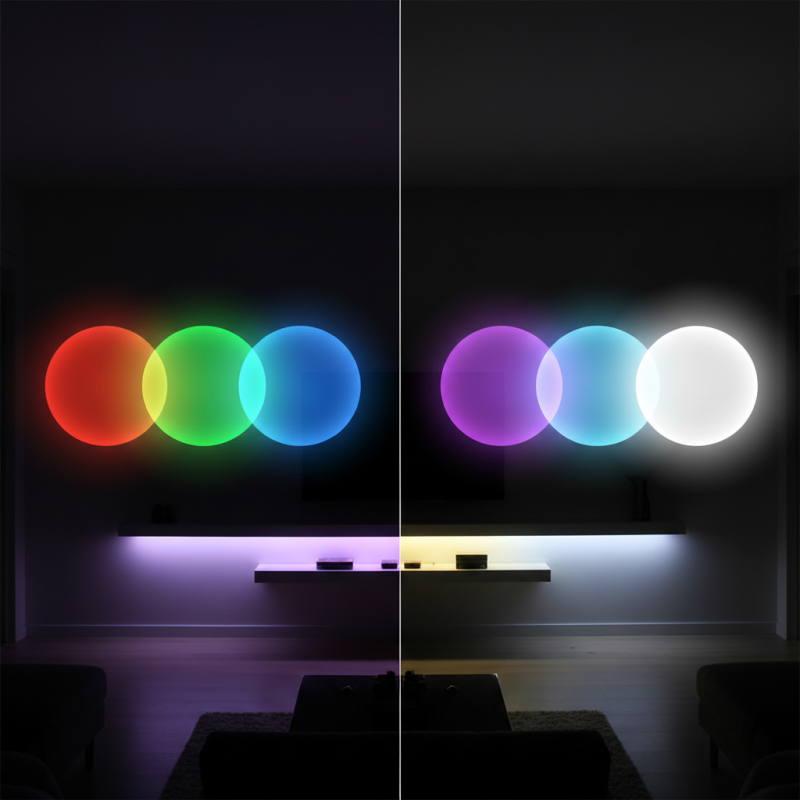
Understanding RGB and RGBW: Key Definitions and Differences
RGB and RGBW lighting are popular choices for various applications, but they differ significantly in functionality. RGB stands for Red, Green, and Blue, which combines these three colors to create a spectrum of light. This triadic combination allows for endless color variations. However, adding white to the mix—creating RGBW—improves brightness and enhances color accuracy. White light can eliminate unwanted hues that RGB lighting might produce.
The key distinction lies in their applications. RGB is great for vibrant displays and mood lighting, often seen in home theaters and parties. RGBW, on the other hand, is often used in settings requiring clarity and detail, like photography studios or workspaces. Users seeking a fuller spectrum may find RGBW lighting more beneficial. Yet, the decision is not always straightforward. Some may prefer the colorful ambiance of RGB, while others value the practical advantages of RGBW.
In practical terms, RGB lighting can lead to color bleeding, especially in large areas. Users might feel frustrated by limitations in brightness. RGBW mitigates these issues, but it also comes at a higher cost and installation complexity. It's essential to weigh these factors before making a choice. Each system has its strengths, and neither is perfect. Reflecting on personal needs helps in determining the best fit for any space.
The Role of White Light in RGBW Lighting Technology
The use of white light in RGBW lighting technology significantly enhances visual experiences. RGB lighting combines red, green, and blue colors but lacks true white light. RGBW, on the other hand, adds a dedicated white LED. This addition allows for a more versatile and natural light output. White light can fill gaps that RGB colors cannot achieve alone. As a result, spaces illuminated with RGBW can have a more balanced and appealing ambiance.
Understanding the differences between RGB and RGBW is crucial. Tip 1: RGB can create vibrant colors, but RGBW offers softer, more natural tones. This is especially beneficial in settings that require a calm atmosphere. Tip 2: Consider energy consumption. RGBW lights often use less energy when producing white light compared to mixing RGB colors to achieve the same effect. Tip 3: While RGBW technology is advanced, it may come with a higher initial cost. Weigh the benefits against your budget and needs.
While RGBW lighting offers advantages, there are challenges. Some users may find the added complexity overwhelming. Understanding the functionality of each color channel takes time. Moreover, not all devices support RGBW, limiting your options. Experiment with different settings to find what works best for you. Making informed choices will maximize the quality of your lighting experience.
RGB vs RGBW Lighting Differences Explained in 5 Tips
| Feature |
RGB Lighting |
RGBW Lighting |
| Color Range |
Wide range of colors through red, green, and blue. |
Enhances color range with added white light for better brightness and vibrancy. |
| Brightness Level |
Moderate brightness depending on color. |
Higher brightness due to the inclusion of a dedicated white LED. |
| Usage |
Ideal for colored lighting effects and ambiance. |
Suitable for versatile applications including general lighting and effects. |
| Energy Efficiency |
Energy-efficient but may require more power for bright colors. |
More efficient in producing bright white light, saving energy. |
| Control Options |
Typically controlled via RGB controllers and apps. |
Often equipped with advanced control options for fine-tuning colors including white balance. |
Color Mixing Techniques: RGB vs RGBW Explained
When considering color mixing techniques, RGB (red, green, blue) and RGBW (red, green, blue, white) lighting offer distinct benefits. Both systems utilize additive color mixing but in different ways.
RGB creates colors by varying the intensity of red, green, and blue light. This method leads to a vibrant color spectrum but sometimes lacks true white light. According to industry reports, RGB lighting tends to produce hues that may not accurately represent natural colors.
On the other hand, RGBW integrates a white LED into the mix. This addition enhances color accuracy and provides a more genuine warm white light. A study shows that RGBW systems often achieve a color rendering index (CRI) of over 90, ideal for environments requiring high color fidelity, such as art galleries or fashion shows.
However, some users report that RGBW setups can sometimes lead to less diverse color hues compared to their RGB counterparts, which may detract from creative options.
While RGB lighting offers a wider range of colors, RGBW is increasingly used where lighting quality is paramount. Misunderstandings about which technology is best for various applications often arise. Users may overlook how lighting affects mood and perception, indicating a need for deeper awareness of the choices at hand. The decision should reflect the specific needs of the environment, acknowledging both options’ strengths and weaknesses.
Energy Efficiency and Brightness Comparison Between RGB and RGBW
When considering lighting options, energy efficiency and brightness are key factors. RGB (Red, Green, Blue) and RGBW (Red, Green, Blue, White) lights each have unique properties. RGB lights produce colors through a mix of red, green, and blue. They can create vibrant hues but often lack in brightness. This is where RGBW lighting shines. The addition of the white LED chip enhances brightness significantly.
Energy efficiency is another crucial aspect. RGBW lights can achieve higher brightness with less power consumption, making them more efficient overall. This efficiency translates to lower energy bills for users. By incorporating white light, RGBW can also reduce the need for extra bulbs in certain settings. That means less overall energy use over time.
However, RGB lighting might still appeal to many. Some users prefer its vibrant colors for specific designs. Nevertheless, choosing between these two options should be based on your specific needs. Think about your primary use—artistic displays or bright ambient lighting. Each option has its place, and understanding these differences can lead to a more informed choice.
RGB vs RGBW Lighting: Energy Efficiency and Brightness Comparison
Applications and Use Cases for RGB and RGBW Lighting Solutions
RGB and RGBW lighting solutions offer varied applications that cater to different needs. RGB lighting combines red, green, and blue colors, achieving a broad spectrum of hues. It is widely used in decorative lighting, signage, and mood lighting in homes. This type of lighting shines in creative settings, allowing for dynamic color transitions. However, it lacks true white light, which can be a limitation in certain circumstances.
On the other hand, RGBW lighting incorporates an additional white LED, providing a more versatile color palette. This is beneficial for tasks requiring accurate colors and bright whites. RGBW is often employed in stage lighting, architectural projects, and hospitality environments. It creates a vibrant atmosphere while maintaining essential illumination. Yet, it can sometimes appear overwhelming in smaller spaces or traditional settings.
Understanding these differences is crucial in making informed lighting choices. Both types have unique strengths and weaknesses, depending on the desired effect. In creative spaces, RGB may excel, while in functional areas, RGBW could be more appropriate. It's important to assess the context and specific requirements before choosing a lighting solution. Such considerations ensure optimal usage and user satisfaction.
FAQS
: RGB uses red, green, and blue light, while RGBW adds a white LED for better accuracy.
RGB is ideal for decorative and creative settings, allowing for vibrant color transitions without true white light.
RGBW provides accurate colors and warm white light, ideal for tasks needing high color fidelity like art galleries.
While RGBW offers good color accuracy, it may have less diversity in hues compared to RGB lighting.
Different lighting types can influence ambiance and perception, impacting the overall experience in a space.
Yes, RGB lighting lacks true white light, which can be a disadvantage in certain functional settings.
RGBW might feel overwhelming in small or traditional areas, as its brightness and color can be intense.
RGBW is often used in stage lighting, architecture, and hospitality for vibrant yet functional environments.
Assess the specific requirements of your space, considering both RGB and RGBW strengths and weaknesses.
Yes, color accuracy is crucial for tasks requiring true-to-life representation, guiding your selection process.
Conclusion
The article titled "RGB vs RGBW Lighting Differences Explained in 5 Tips" provides a comprehensive overview of the differences between RGB and RGBW lighting technologies. It begins by defining both terms, highlighting that RGB consists of red, green, and blue colors, while RGBW includes an additional white light component. This addition enables RGBW lighting to achieve a broader spectrum of colors and a purer white light, enhancing its versatility.
Next, the article delves into color mixing techniques, showcasing how RGB and RGBW utilize different methods to produce colors. It also compares their energy efficiency and brightness, noting that RGBW often offers improved brightness due to the presence of white light. Finally, various applications and use cases for both lighting solutions are examined, helping readers understand what is the RGB vs RGBW lighting difference and how to choose the right option for their needs.
 Halo Light
