 Halo Light
Halo Light
Halo Light
Creating an electrifying atmosphere at parties often hinges on one element: music. However, enhancing the experience with visual stimuli can elevate the vibe. Many are exploring *how to sync LED lights with music* to create mesmerizing displays. According to a market research report by Allied Market Research, the global smart lighting market is expected to reach $100 billion by 2027. This growth is driven by advancements in technology and consumer demand for immersive experiences.
LED lights that pulse, flash, or change color in time with the beat can significantly enhance any gathering. A survey revealed that 70% of party-goers report increased enjoyment when lights are synchronized with music. Yet, achieving the perfect sync is sometimes more complex than anticipated. Users often struggle with software or hardware compatibility, leading to frustration.
Despite the challenges, the result can be stunning, transforming a simple space into a captivating environment. Exploring various methods of synchronization promotes creativity and personalized touches. Remember, trial and error can lead to unexpected discoveries, improving the overall experience for everyone involved.
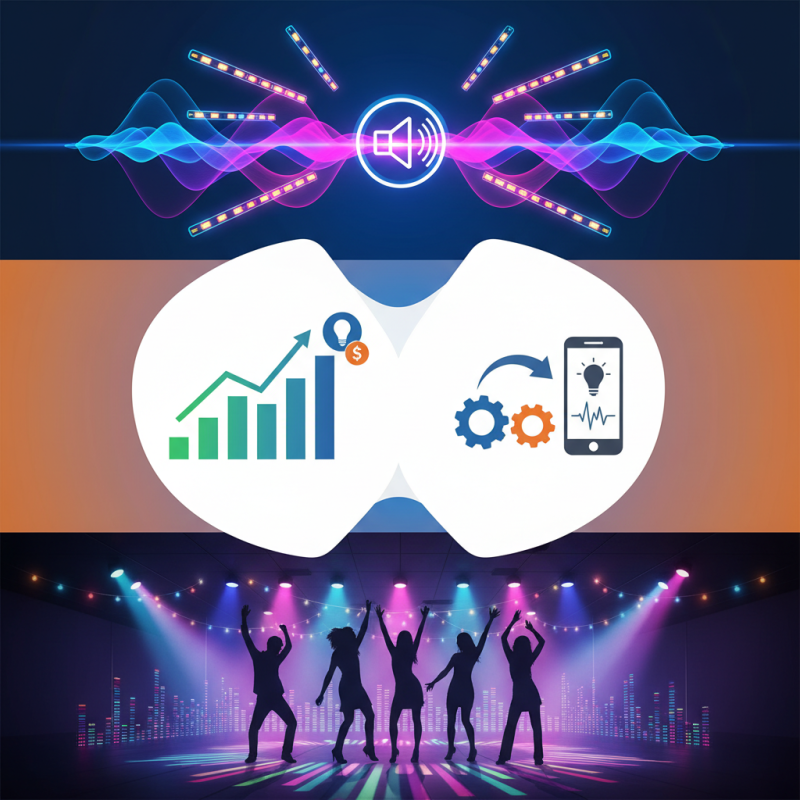
When choosing LED lights for music synchronization, consider several key factors. Start by assessing the type of music you plan to use. Different genres require varying light effects. For instance, electronic music is great for dynamic, fast-paced lighting. On the other hand, softer melodies might benefit from gentle fades and colorful transitions. The right light can elevate the mood dramatically.
Next, look into the technology behind the lights. Smart LED lights that boast sound sensors can effectively sync with your music. These lights pick up beats, enhancing the overall experience. Some models allow you to customize patterns and colors, providing a more personalized atmosphere. However, not every model performs well. It’s good to research and read reviews for reliability.
Lastly, consider the installation and setup process. Some LED lights are easy to install, while others can be complex. This might require additional time and tools. If you’re not tech-savvy, choose simpler options. Remember to plan your space accordingly; layout impacts visibility and effectiveness. Finding the perfect balance between aesthetics and functionality is critical for the ultimate party vibes.
| LED Light Type | Music Sync Technology | Control Method | Ideal Use Case |
|---|---|---|---|
| RGB LED Strips | Wi-Fi | Mobile App | Home Parties |
| Smart LED Bulbs | Bluetooth | Voice Command | Ambient Lighting |
| LED Wall Wash Lights | DMX Controller | Manual/Remote | Large Events |
| LED Disco Balls | Audio Reactive | Built-in Sensor | Dance Parties |
| LED Floor Lights | Wi-Fi | Mobile App | Performance Stages |
: Most systems use audio analysis tools to interpret sound frequencies and guide LED light responses.
Sound sensors capture real-time audio signals and can detect loudness to sync lights with beats.
Yes, some systems analyze audio tracks beforehand, allowing for greater control but may require technical skills.
Environmental noise and improper equipment placement can interfere with sound sensors and synchronization.
Speaker placement affects sound distribution, which in turn influences how well LED lights respond.
Adjusting the equalizer to emphasize bass frequencies can create more dramatic lighting effects.
Absolutely! Mixing colors can lead to captivating effects that enhance the party atmosphere.
Use strategic lighting placements and combine different lighting styles for engagement and energy.
It may take several tries to find the right sync. Reflect on effects and adjust settings as needed.
Yes, trial and creativity often lead to unexpected breakthroughs and memorable experiences.
To achieve the ultimate party vibes, understanding how to sync LED lights with music is essential. The process begins with selecting the right LED lights that are capable of music synchronization. It is crucial to grasp the technology behind this synchronization to maximize the effectiveness of your setup. Next, ensuring that your audio source is configured for optimal LED performance is vital for seamless interaction between music and lighting.
Once your audio is set, you can move on to configuring your LED lights using various music apps and software designed for this purpose. Finally, maximizing the dynamic atmosphere of your party can be enhanced by strategic setup tips, including placement and timing, to ensure a vibrant and engaging experience. By following these steps, you can create an electrifying ambiance that elevates any gathering.
