 Halo Light
Halo Light
Halo Light
When it comes to enhancing commercial spaces, LED lighting is crucial. John Smith, an industry expert and CEO of Bright Ideas Lighting, emphasizes, "Smart lighting can transform a space and improve productivity." Knowing how to use LED lighting for commercial spaces can significantly impact both aesthetics and functionality.
LEDs are energy-efficient and versatile, making them ideal for any business area. From retail environments to office settings, their customizable nature allows for unique applications. Think about a boutique where LED showcases enhance products under vivid colors. Alternatively, consider an office where cool white light promotes concentration and efficiency.
While embracing LED technology, some businesses struggle with placement and design. It’s vital to plan layouts carefully to avoid harsh lighting. Reflect on the balance between brightness and ambiance. Learning how to use LED lighting for commercial spaces is not just about installation; it requires thoughtful consideration of user experience and atmosphere.
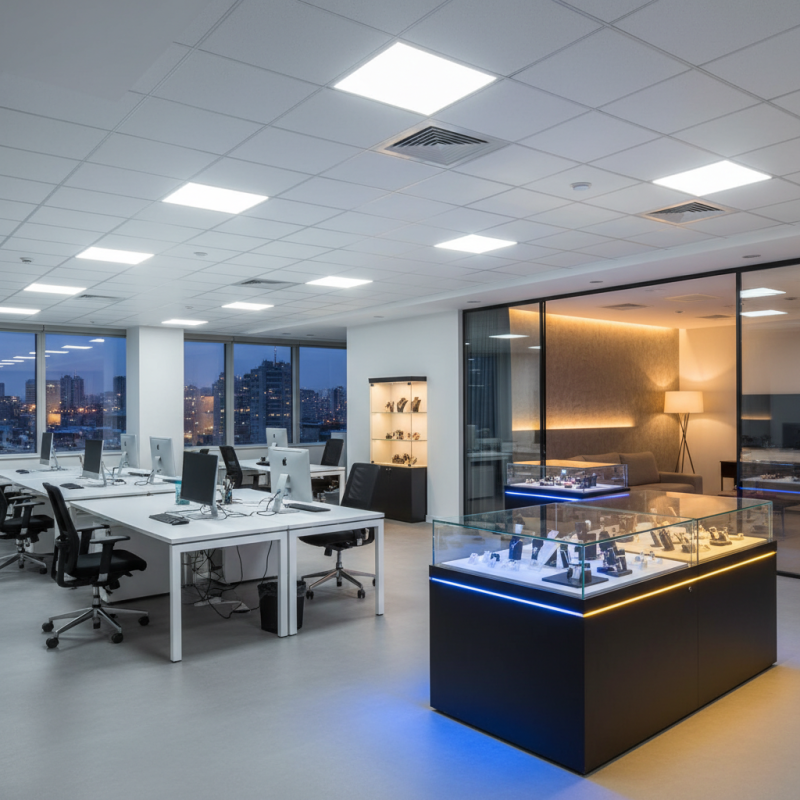
LED lighting has become a preferred choice for commercial spaces, offering numerous benefits. One key advantage is energy efficiency. LEDs consume significantly less energy than traditional bulbs, which can lead to substantial savings on electricity bills. In a large office, these savings can accumulate quickly, benefiting the bottom line.
Consider enhancing your workspace with dimmable LEDs. This allows you to adjust the brightness based on the time of day or specific tasks. For example, brighter lighting may enhance focus during meetings, while softer lighting creates a relaxed environment in break rooms. By utilizing flexibility, companies can improve employee satisfaction.
Another aspect is longevity. LEDs generally last longer than conventional bulbs, reducing the frequency of replacements. This not only saves money on maintenance but also minimizes disruptions in the workplace. However, it’s important to monitor the quality of light emitted. Some LEDs may flicker or produce unnatural colors. This could impact mood and productivity, leading to frustration.
Implementing LED lighting can transform commercial spaces, but decisions should be thoughtful. Assess your needs and environment. Reflect on how these changes impact energy use and employee wellbeing.
| Method | Description | Benefits |
|---|---|---|
| Ambient Lighting | General illumination for enhancing visibility in retail spaces. | Improves shopper experience and boosts sales. |
| Accent Lighting | Highlight specific products or areas in a store. | Draws attention to featured items and increases engagement. |
| Task Lighting | Focused lighting for areas requiring detailed work. | Enhances productivity by minimizing eye strain. |
| Outdoor / Landscape Lighting | Illuminate building exteriors and landscapes. | Improves safety and enhances curb appeal. |
| Decorative Lighting | Use of artistic light fixtures to enhance interior design. | Adds aesthetic value and brands identity. |
| Smart Lighting Solutions | Automated and programmable lighting controls. | Increases energy efficiency and adapts to usage patterns. |
| Emergency Lighting | Backup lighting for safety in emergencies. | Ensures safety and compliance with regulations. |
| Energy-Efficient Upgrades | Replacing traditional bulbs with LED options. | Lowers energy costs and reduces carbon footprint. |
| Seasonal/Event Lighting | Thematic lighting to celebrate holidays or events. | Enhances the festive atmosphere and attracts customers. |
| Health and Wellness Lighting | Lighting that mimics natural light for well-being. | Improves mood and productivity in workplace settings. |
: LED lights use at least 75% less energy, lowering electricity bills.
Evaluate specific needs and layout to avoid poor illumination and inefficiency.
Integrating these devices can reduce lighting energy consumption by up to 40%.
Use fixture-mounted LEDs to wash walls with soft light for a cozy atmosphere.
Adjustable LED desk lamps focus light where needed, but avoid excessive brightness.
Regular maintenance, like cleaning fixtures, ensures optimal performance and efficiency.
Careful planning is needed for integration with existing infrastructure to maximize benefits.
They often hold off due to budget concerns, leading to higher long-term costs.
Monitoring systems regularly can identify necessary changes, reducing energy costs effectively.
Not every design resonates; experimentation and reflection are crucial in the process.
In exploring how to use LED lighting for commercial spaces, it's essential to understand the numerous benefits that come with these energy-efficient fixtures. Enhanced illumination, reduced energy costs, and longer lifespans make LED lighting an ideal choice for various commercial environments. Different types of LED fixtures, such as ceiling-mounted lights, wall sconces, and recessed lighting, can be tailored to meet the specific needs of each area, from retail stores to office interiors.
To optimize energy efficiency, businesses can implement strategies like motion sensors and dimming controls, which adjust lighting based on occupancy and natural light availability. Additionally, creative design ideas can elevate both ambient and task lighting, creating inviting atmospheres that enhance productivity and customer experiences. Regular maintenance and timely upgrades of LED lighting systems ensure longevity and consistent performance, ultimately providing a sustainable lighting solution for commercial spaces.
