Halo Light
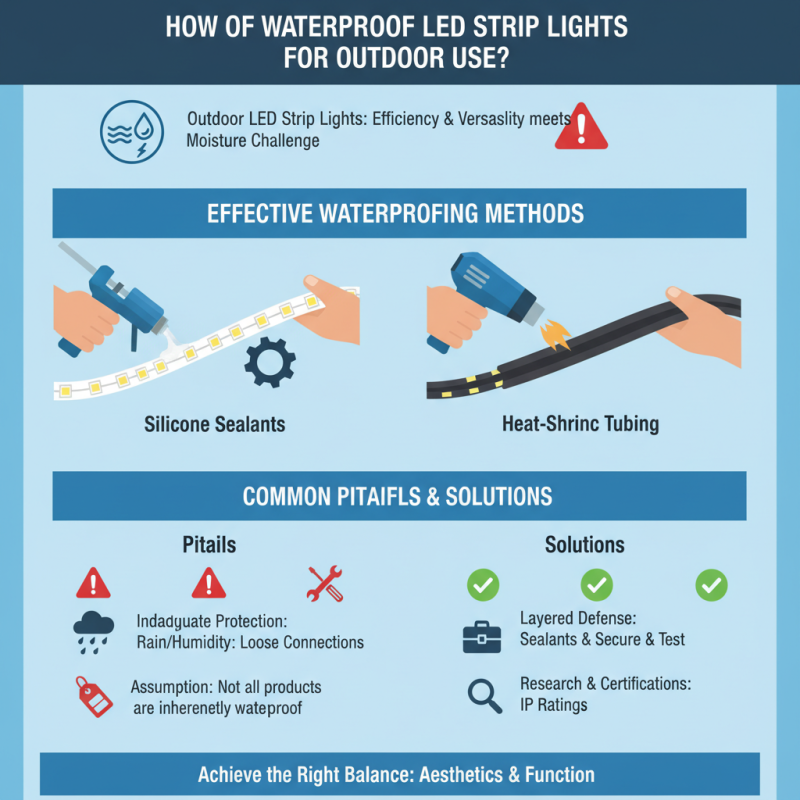
When exploring the vibrant world of outdoor lighting, LED strip lights stand out for their energy efficiency and versatility. However, a common concern for outdoor use is how to waterproof LED strip lights. Moisture can cause significant damage, leading to malfunction or even safety hazards. Understanding effective waterproofing methods is essential.
Many enthusiasts face challenges in protecting their LED strips from rain or humidity. Basic precautions may not suffice, especially in unpredictable weather. Using silicone sealants or heat-shrink tubing can be effective, but not everyone achieves the desired results. It's crucial to be aware of potential pitfalls while learning how to waterproof LED strip lights effectively.
Expertise in this area often comes from trial and error. Some may overlook the importance of proper installation or assume all products are inherently waterproof. This approach can lead to disappointment and frustration. Careful attention to detail can make a difference. Achieving the right balance between aesthetics and function requires thoughtfulness and the willingness to adapt techniques when necessary.
When choosing LED strip lights for outdoor use, there are several factors to consider. The right strip lights should have an IP rating of at least 65. This rating indicates they are dust tight and can withstand low-pressure water jets. Research shows that 78% of consumers prioritize waterproofing for outdoor lights. Therefore, opting for a higher IP rating can enhance durability.
Consider the brightness and color temperature of the lights. Outdoor areas often require brighter solutions due to ambient light. A lumen output of 300-500 lumens per meter is generally suitable for pathways or ambient lighting. According to lighting experts, this level strikes a balance between visibility and energy efficiency.
Installation is also crucial. Ensure the strips come with a robust adhesive backing, or use mounting clips for added security. Regular maintenance checks are important to ensure longevity. Weather can affect performance, leading to possible failures. Reflecting on these details helps improve the overall experience and performance of outdoor lighting setups.
Understanding IP ratings is crucial when waterproofing LED strip lights for outdoor use. The "IP" stands for Ingress Protection. This rating indicates how well a fixture can resist water and dust. The first digit shows dust resistance, while the second digit reveals water resistance. For outdoor LED strip lights, look for at least an IP65 rating. This means it is protected against water jets and dust. Knowing the IP rating helps ensure your lights last longer in varied weather conditions.
When installing waterproof LED strip lights, consider the following tips. Use silicone sealants around connections. This prevents moisture from seeping in. Also, choose high-quality connectors that are water-resistant. These small details can make a big difference. It’s wise to avoid exposing the lights directly to heavy rain. If safety is a concern, elevate your installations above potential flood levels.
Monitoring for signs of wear can also be beneficial. Check for any fraying or corrosion. Early detection is key. It might seem minor, but addressing these issues can save you hassles later. Regular maintenance ensures your outdoor lighting performs well through different seasons.
Waterproofing LED strip lights for outdoor use is essential for durability and functionality. To achieve this, you will need several key materials and tools. Start with a high-quality silicone sealant. This will protect the connection points and the LED components from moisture. Choose a sealant specifically designed for electronics. A heat shrink tubing is another crucial item. It provides a tight, protective layer around exposed wires.
You will also need a pair of scissors and a utility knife for cutting the tubing to size. Ensure the edges are smooth to prevent damage. Clear adhesive tape can be useful for securing the ends of the tubing. The application process can be tricky. Applying too much sealant may lead to overheating issues, while too little won't provide adequate protection. Practice makes perfect in this regard.
Consider adding a weatherproof junction box. This adds an extra layer of safety against moisture ingress. Remember to test your setup before permanent installation. Inspect every connection point for potential leaks. Relying on visual inspection alone can lead to errors. A thorough check ensures a longer lifespan for your outdoor LED lights.
| Material/Tool | Description | Usage | Cost Range (USD) |
|---|---|---|---|
| Silicone Sealant | Flexible sealant that provides a waterproof barrier. | Sealing connections and ends of the LED strip. | $5 - $15 |
| Heat Shrink Tubing | Tubing that shrinks when heated, providing waterproof insulation. | Covering exposed areas of the LED strip and connections. | $8 - $20 |
| Waterproof LED Strip | LED strips designed specifically for outdoor use. | Choosing the right strip for outdoor applications. | $15 - $50 |
| Electrical Tape | Insulating tape that protects electrical connections. | Wrapping connections for additional protection. | $3 - $10 |
| Corrosion-Resistant Connectors | Connectors designed to resist corrosion in outdoor environments. | Connecting multiple LED strips securely. | $5 - $25 |
When planning to install LED strip lights outdoors, waterproofing is essential. Start with a clear surface. Clean the area where you will mount the strips. This helps the adhesive stick better. Remove dust and debris to ensure a solid bond.
Next, use silicone sealant to protect the connections and exposed sections of the strips. Apply it carefully to avoid excess that could attract dirt. After applying the sealant, consider using heat shrink tubing over the wires. This adds an extra layer of protection against moisture and weather.
Finally, test your waterproofed LED strips before full installation. Expose them to water gently to check for leaks. You may need to redo sections if water seeps in. Patience is key. Waterproofing is not always perfect, but taking these steps can significantly enhance durability.
When installing waterproof LED strip lights, understanding the environment is crucial. Choose lights rated at least IP65 for effective protection against dust and water. A report by the Lighting Industry Association shows that products with higher IP ratings last significantly longer in outdoor conditions. For added safety, use heat-shrink tubing at the connection points. This piece helps avert moisture accumulation that can damage the strips.
Maintenance is just as important. Regularly check for signs of wear and tear. Dust and debris can hinder performance. Clean the strips carefully using a soft cloth. Industry studies suggest that routine maintenance can extend the lifespan of LED lights by up to 50%. Interestingly, some users overlook the impact of humidity levels. High moisture can still infiltrate lower-rated lights, so securing the installation is imperative.
Be mindful of installation locations. Avoid areas with direct exposure to heavy rain. Even waterproof designs can have their limitations. In some cases, condensation can form inside poorly ventilated spaces. Observing these details ensures that your outdoor lighting remains functional and visually appealing.
: Look for a minimum IP rating of 65 for outdoor use.
Waterproofing is crucial as it protects against dust and water exposure. This enhances durability.
A lumen output of 300-500 lumens per meter is generally suitable for pathways and ambient lighting.
Ensure you use a robust adhesive backing or mounting clips for better security during installation.
Regular checks for wear, fraying, or corrosion can prevent performance issues.
Avoid exposing lights directly to heavy rain. Elevate installations above potential flood levels.
IP ratings indicate dust and water resistance, ensuring lights last longer in harsh conditions.
Using silicone sealants around connections and high-quality connectors can significantly improve waterproofing.
Understand the weather impact on performance. Ensure regular maintenance to maximize longevity.
Ignoring maintenance can lead to significant issues later. Tiny problems can escalate quickly.
When exploring how to waterproof LED strip lights for outdoor use, it's vital to begin by selecting LED strips specifically designed for outdoor applications, taking into account their IP ratings, which indicate their resistance to water and dust. Understanding these ratings is crucial, as they determine the level of protection your lights will have against the elements.
Equipping yourself with the right materials and tools is essential for the waterproofing process. The article outlines step-by-step techniques for effectively sealing LED strip lights, ensuring they remain functional and safe in wet conditions. Additionally, it provides helpful tips on installation and maintenance, which are key to prolonging the lifespan of your outdoor LED lights. Following these guidelines will ensure that your waterproofed LED strips not only enhance your outdoor spaces but also stand the test of time against harsh weather conditions.
