Halo Light
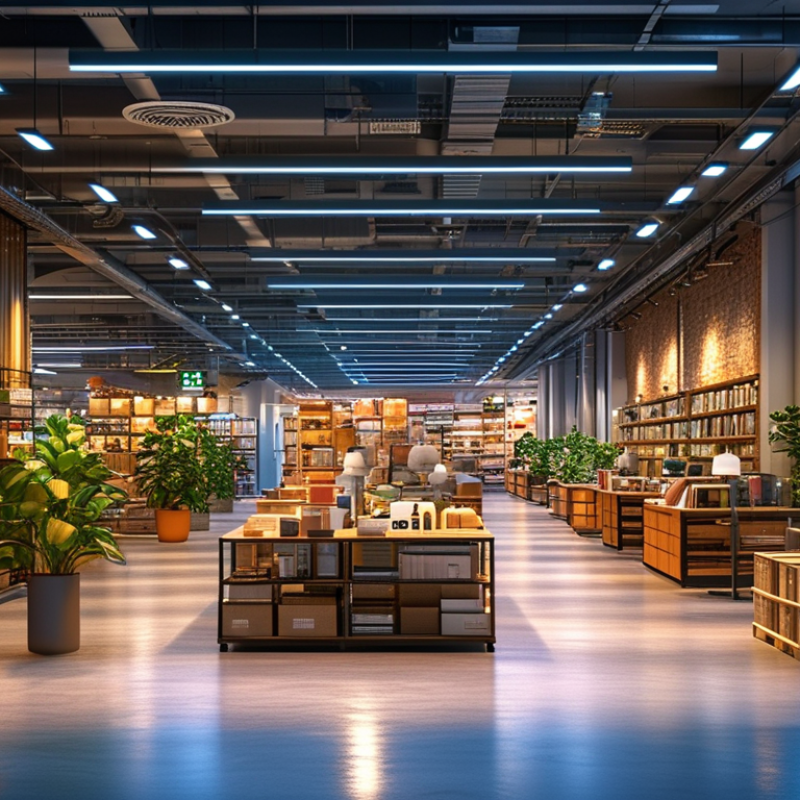
Commercial spaces need lighting that supports people, products, and daily operations. LED technology offers a practical way to improve visibility while managing energy use and maintenance demands. In offices, well-positioned fixtures can reduce harsh shadows across desks. In retail stores, accurate color rendering helps clothing, food, and displays look more natural. Warehouses also benefit from focused illumination over aisles and loading areas.
Understanding how to use led lighting for commercial spaces requires more than replacing old bulbs. A reliable plan begins with a site assessment. Professionals should examine ceiling height, work areas, window light, operating hours, and existing electrical systems. Color temperature, glare control, beam angle, and color rendering index all affect comfort and performance. Occupancy sensors and daylight controls may reduce wasted energy in meeting rooms, corridors, and storage zones. However, controls need correct calibration. Otherwise, lights may switch off while employees are still working.
LED is not a magic fix.
A poorly designed retrofit can create glare, uneven brightness, or an uncomfortable blue appearance. Product quality also varies, so managers should review safety certifications, warranty terms, lumen output, and expected operating life. Initial costs may seem higher than basic replacements, but reduced relamping and lower electricity consumption can support long-term value. Still, every building differs. A lighting audit, realistic budget, and feedback from occupants should guide the final decision. The best commercial lighting feels natural, performs consistently, and quietly supports the business each day.
LED lighting uses solid-state devices called light-emitting diodes. When electric current passes through a diode, electrons release energy as visible light. This process creates far less heat than traditional incandescent lighting. It also uses electricity more efficiently.
In commercial spaces, an LED fixture needs more than a diode. A driver converts incoming power into a stable current. It also helps control dimming and protects the LEDs from electrical changes. A heat sink moves heat away from the diode. That detail matters in a supermarket aisle, where lights may operate for fourteen hours daily.
LEDs can produce warm white, neutral white, or cool white light. Color temperature affects how customers see walls, products, and work surfaces. Color rendering also matters. A high color-rendering value can show food, fabric, and printed materials more naturally.
Light distribution needs careful planning. Narrow beams can highlight displays, while wider beams reduce dark patches across an office floor. Sensors and dimmers can lower energy use when daylight enters through windows. They are useful, but not perfect.
An LED is not automatically efficient in every installation. Poor ventilation, weak drivers, or excessive brightness can reduce comfort and service life. Flicker may also cause eye strain, especially with low-quality control equipment. A practical lighting assessment should check illumination, glare, temperature, maintenance access, and actual operating hours before fixtures are selected.
Commercial LED lighting can reduce electricity use while improving visibility in busy workplaces. A well-designed LED fixture delivers more useful light with less wasted energy. In a warehouse, this may mean brighter aisles without adding more fixtures. In an office, lower wattage can reduce the load on the building’s cooling system.
The savings become clearer through utility bills and maintenance records. For example, replacing a 100-watt fixture with a 40-watt LED can cut lighting energy by about 60 percent. Actual results depend on operating hours, electricity rates, and control settings. Occupancy sensors can switch lights off in empty meeting rooms. Dimming controls can lower output near windows during daylight. Small changes matter.
Maintenance costs may also fall. LEDs usually last longer than traditional lamps, reducing ladder work, replacement purchases, and disruptions during business hours. However, LEDs are not automatically the cheapest option. A poor retrofit can create glare, uneven brightness, or unnecessary installation costs. I recommend checking light levels, ceiling height, color temperature, and local electrical requirements before purchasing. Payback estimates should use real operating data, not optimistic assumptions. The first calculation may be wrong. Revising it with measured usage makes the investment more trustworthy.
Why Use LED Lighting for Commercial Spaces?
How LED Lighting Improves Workplace Safety and Visual Comfort
Good workplace lighting does more than brighten a room. It helps employees read labels, notice floor changes, and move safely through shared spaces. LED fixtures can provide steady, even illumination across offices, warehouses, and retail areas. They also start instantly, which matters in stairwells, loading zones, and emergency routes. However, brighter is not always better. Excessive brightness can create glare on computer screens and polished surfaces.
Visual comfort depends on careful planning. A lighting assessment should examine desk height, ceiling color, window exposure, and common work tasks. Fixtures with suitable color rendering help workers distinguish wiring, printed text, and product colors more accurately. Low-flicker performance can reduce distraction and eye strain, although individual sensitivity varies. Adjustable controls are useful near windows, where daylight changes throughout the day. In practice, even a well-designed system may need adjustments after installation. Shadows can appear where plans seemed perfect.
Tips: Use diffusers to soften direct glare. Position fixtures beside, not directly above, monitors. Test lighting at morning and afternoon. Keep walkways evenly lit. Ask employees where discomfort occurs. Their feedback can reveal problems that measurements miss. Don’t ignore maintenance; dusty lenses and aging controls can quietly reduce safety and comfort.
Recommended maintained illuminance levels support workplace safety, visual comfort, and reliable task visibility.
LED systems can be configured to deliver the appropriate light level for each area while supporting consistent visibility, reduced glare, and safer movement. Values shown are typical maintained illuminance targets based on EN 12464-1:2021 recommendations.
Choosing LED fixtures for different commercial applications requires more than comparing wattage. According to the International Energy Agency, lighting represents roughly 15% of global electricity use. LEDs can reduce energy demand, but only when optics, controls, and operating schedules match the space. The U.S. Department of Energy reports that modern LED products commonly deliver over 100 lumens per watt. That efficiency is useful in offices, retail stores, warehouses, and hospitality areas.
Open offices need low-glare fixtures and balanced illumination across desks. Retail spaces often require adjustable track or accent lighting, with accurate color rendering for merchandise.
Warehouses benefit from high-bay fixtures, wide spacing, and occupancy sensors. In restaurants, warmer color temperatures can make wood, food, and fabrics appear more inviting.
Healthcare environments need careful glare control and dependable maintenance access. A perfect fixture does not exist. I have seen efficient products fail because installers ignored ceiling height, beam angle, or cleaning schedules.
Tips: Check the Illuminating Engineering Society recommendations before specifying light levels. Review the DesignLights Consortium reports for verified performance and controllability. Request photometric files, not just marketing claims. Compare color rendering, flicker performance, warranty terms, and driver replacement access. The U.S. Department of Energy also warns that controls can create savings only when properly commissioned. That detail is easy to miss. It should not be.
Commercial LED lighting can reduce energy use, but installation quality determines whether those savings appear in monthly bills. The U.S. Department of Energy reports that LED products use up to 75% less energy than incandescent lighting and can last up to 25 times longer. In commercial spaces, installers should verify ceiling height, mounting positions, circuit capacity, emergency lighting, and required illuminance before selecting fixtures. A quick replacement is rarely a complete design.
Measure the space first. Many offices need even task lighting, while warehouses require controlled beam angles and clear vertical visibility. The Illuminating Engineering Society recommends designing around maintained illuminance, not initial brightness. This distinction matters because light output declines over time. Drivers also fail earlier in hot, enclosed fixtures. Better airflow helps. So does accessible mounting.
Maintenance planning should include scheduled cleaning, electrical inspections, and replacement records. The U.S. Department of Energy’s solid-state lighting research identifies thermal management and driver reliability as key performance concerns. Occupancy sensors and daylight controls can reduce operating hours, yet poor calibration may cause dark corners or frequent switching. I have seen energy models promise impressive payback while ignoring controls training and lift access. That is an uncomfortable gap. Performance should be checked after installation with a light meter, glare review, and occupant feedback. A spreadsheet cannot detect eye strain.
: Electric current passes through a diode and creates visible light. A driver supplies stable current and supports dimming. A heat sink removes excess heat.
LEDs convert more electricity into light and produce less heat. Modern products often exceed 100 lumens per watt. Efficiency still depends on controls and operating hours.
Warm white can make food, wood, and fabric feel inviting. Neutral white suits offices and general work areas. Cool white may support detailed warehouse tasks.
Narrow beams can highlight displays or shelves. Wide beams reduce dark patches across office floors. Poor spacing creates uneven lighting.
Offices need low-glare fixtures over desks. Stores often need adjustable accent lighting and accurate color rendering. Warehouses commonly use high-bay fixtures and occupancy sensors.
No. Controls save energy only when properly installed and commissioned. Daylight sensors can reduce output near windows. Sometimes, settings are simply wrong.
Poor ventilation can increase fixture temperature and shorten service life. Weak drivers may cause unstable operation. Excessive brightness can create glare and discomfort.
Request photometric files before choosing fixtures. Check glare, color rendering, flicker performance, and driver access. Review warranty terms and maintenance schedules. Marketing claims are not enough.
Check illumination, glare, ceiling height, beam angles, and room temperature. Review actual operating hours and cleaning access. A perfect fixture does not exist. A careful plan can still miss something.
LED lighting has become a practical choice for commercial spaces because it produces bright, consistent illumination while using less electricity than traditional lighting technologies. By converting electrical energy into light more efficiently, LED fixtures can reduce operating costs, generate less heat, and support longer service intervals. These advantages make them suitable for offices, retail stores, warehouses, hospitality venues, and other business environments. Understanding how to use led lighting for commercial spaces begins with assessing room size, ceiling height, work activities, natural light, and desired brightness.
Well-planned LED lighting can also improve workplace safety and visual comfort by reducing glare, shadows, and uneven illumination. Different areas may require different fixture styles, color temperatures, beam angles, and control options. During installation, proper positioning, wiring, ventilation, and compatibility with dimming or occupancy controls should be considered. Regular cleaning, performance checks, and timely replacement of damaged components help maintain reliable output. With thoughtful selection and maintenance, commercial LED lighting can create a more comfortable, efficient, and adaptable environment while supporting long-term energy and cost management.
