Halo Light
Halo Light
Halo Light
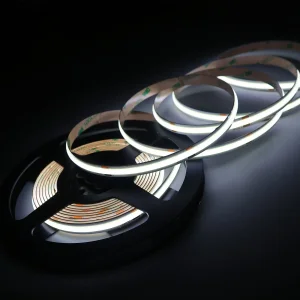
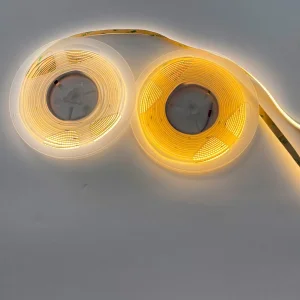
In the rapidly evolving landscape of professional lighting, the 120 LEDs per meter strip has emerged as the global industry standard for "High-Density" linear lighting. Unlike standard 30 or 60 LED strips, the 120-density configuration provides a perfect equilibrium between luminous flux, heat dissipation, and visual uniformity. From the futuristic skylines of Dubai to the minimalist high-end boutiques in Paris, this specific density is the first choice for lighting designers who demand "dot-free" illumination when paired with aluminum profiles.
The industrial significance of 120 LEDs/m lies in its versatility. In the current global market, sectors such as automotive interiors, luxury hospitality, and high-tech workspace design are shifting toward seamless light integration. The 120-pitch layout allows for a shorter cutting unit (often every 25mm or 50mm depending on voltage), which is critical for precise architectural detailing where every millimeter counts. As urban development emphasizes energy efficiency and aesthetic integration, the demand for 120 LED/m strips continues to grow at an annual rate of 12.5% globally.
Standard Energy Efficiency
Professional Color Rendering
Operating Temperature Range
Rated Lifespan (L70)
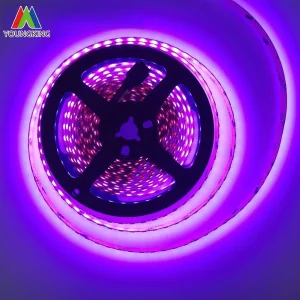
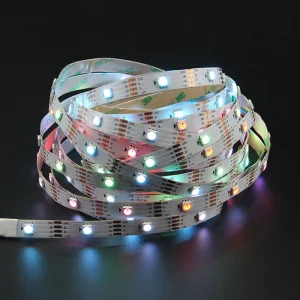
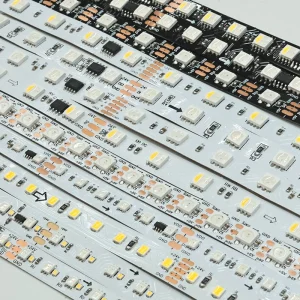
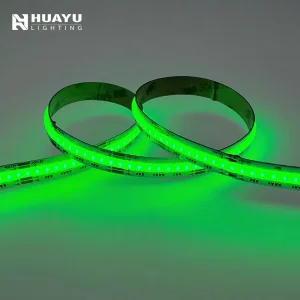
Our flagship 3535 RGB series utilizes a high-density 120 LEDs per meter layout to deliver unparalleled color mixing and brightness. Unlike 60 LED alternatives, this strip eliminates the "dark spot" effect in shallow profiles, making it ideal for high-end gaming lounges, smart home coves, and commercial signage.
The industry is moving beyond simple on/off switches. Modern 120 LED/m strips are being integrated with AI-driven building management systems (BMS). Using Matter or Zigbee protocols, these strips can now adjust color temperature based on circadian rhythms, improving productivity in industrial and office environments.
With global energy costs rising, manufacturers are focusing on "Lumens Per Watt." The next generation of 120 LEDs/m strips utilizes high-efficiency SMD 2835 or 2216 chips that provide 140lm/W, significantly reducing the carbon footprint of large-scale commercial installations.
For the film and fashion industries, the demand for CRI > 97 and TLCI > 98 is becoming standard. 120 LEDs/m density provides the necessary light volume to maintain these high color fidelity standards without flickering, essential for 4K and 8K video environments.
Sourcing from a China LED Strip Factory requires more than just looking at the price per meter. Professional buyers from North America, Europe, and the Middle East prioritize several technical pillars when selecting an exporter:
Buyers require 3-step MacAdam Ellipse (SCDM < 3) consistency across batches. This ensures that a strip bought today matches the color of a strip bought six months ago for the same project.
UL, CE, RoHS, and UKCA are non-negotiable for entering major markets. For 120 LEDs/m strips, thermal testing reports (LM-80) are increasingly requested to prove long-term reliability.
Industrial buyers demand 2oz or even 3oz double-sided rolled copper PCBs to handle the current load of 120 LEDs/m without significant voltage drop or overheating.
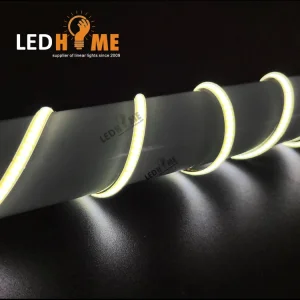
In luxury hotels, 120 LED/m strips are used for "grazing" walls—a technique that highlights textures. Because of the close spacing of the chips, the light appears as a solid blade of color rather than separate dots. This is vital for marble or wood veneer surfaces.
In labs and cleanrooms, shadowless lighting is a safety requirement. High-density strips provide the uniform illumination needed for precision tasks, integrated directly into modular ceiling systems or workstation under-cabinet lighting.
Hangzhou Halo Light Co., Ltd. represents the pinnacle of Chinese LED manufacturing. By integrating the entire supply chain—from chip encapsulation to final waterproof extrusion—we offer advantages that decentralized exporters cannot match.
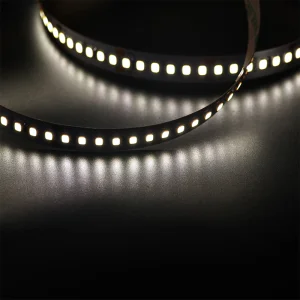
Our 120 LED/m Constant Current series solves the age-old problem of voltage drop. These strips can run up to 15-20 meters with a single power feed while maintaining identical brightness from the first LED to the last. This reduces installation labor and power supply costs for large architectural projects.
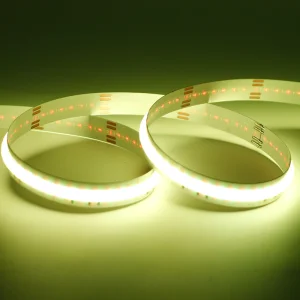
Hangzhou Halo Light Co., Ltd. has steadily evolved into a competitive LED strip light manufacturer, specializing in advanced Neon Flex, SMD, and COB LED lighting solutions for global markets. Since its establishment, the company has focused on combining innovation, quality manufacturing, and customer-oriented service to meet the growing demand for energy-efficient and flexible lighting systems.
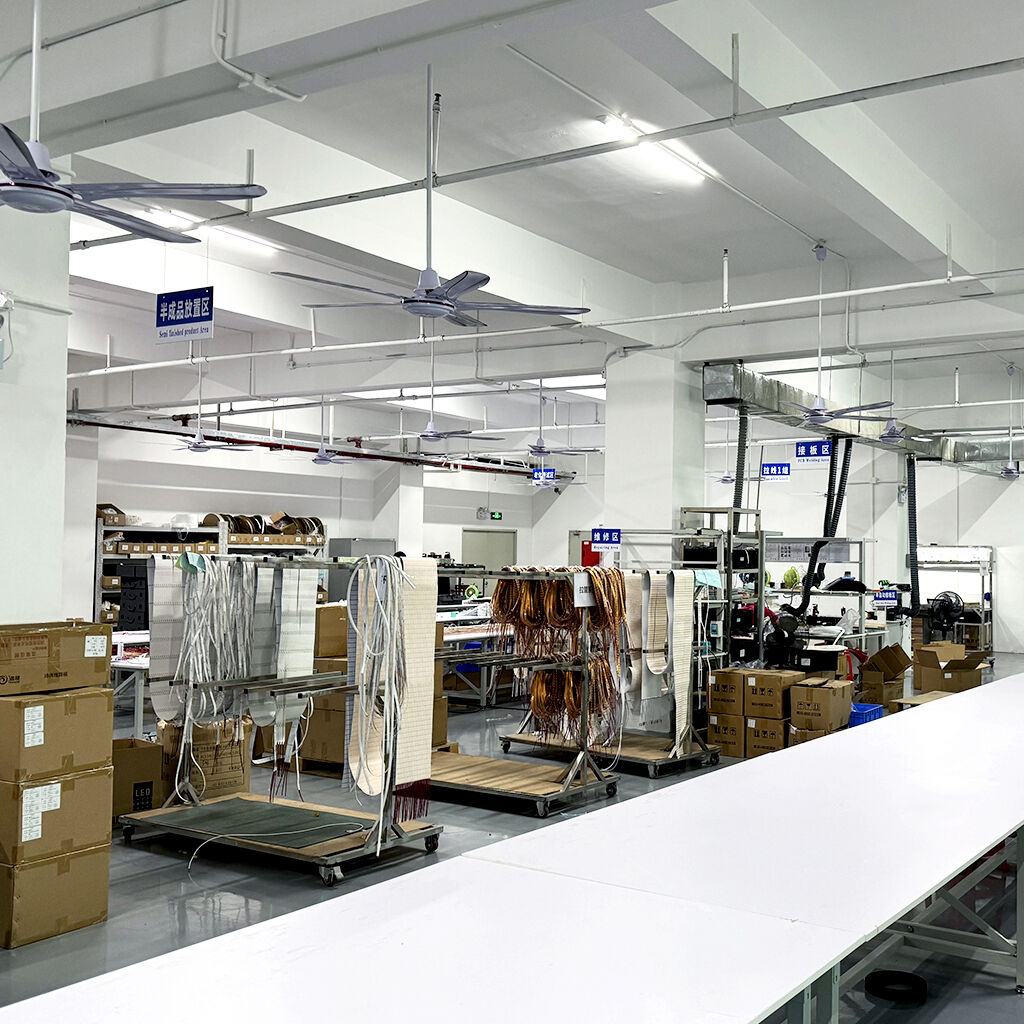
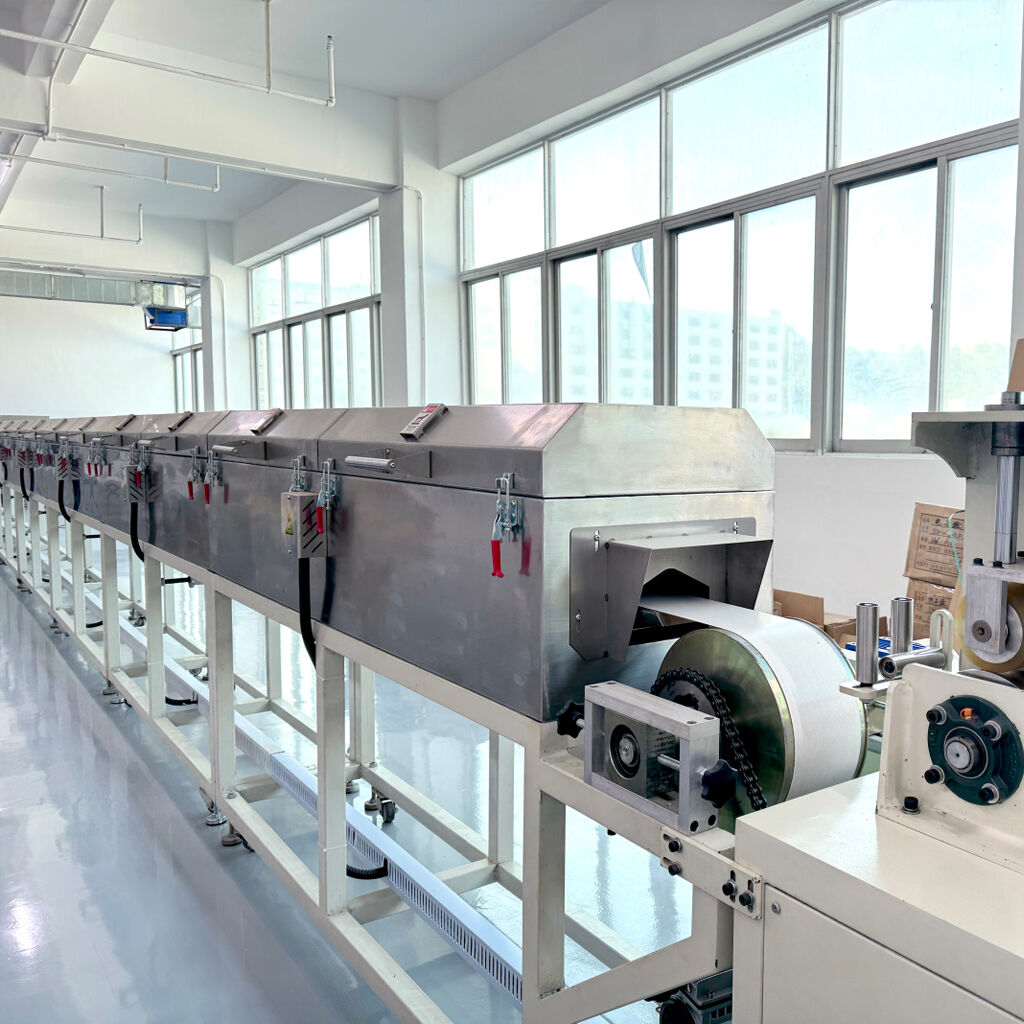
Based in Hangzhou, a key center for technology and manufacturing in China, Halo Light operates a modern production facility equipped with automated assembly lines and strict quality control processes. Over the years, the company has built a professional team of engineers and technicians dedicated to continuous product development and performance optimization.
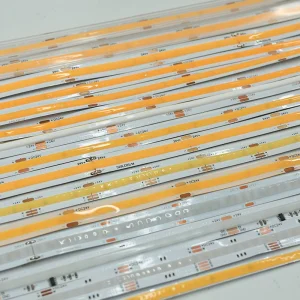
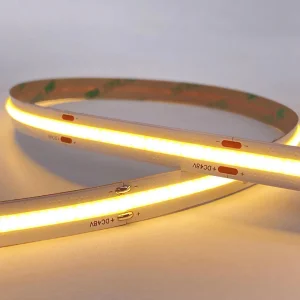
With a strong emphasis on research and development, Hangzhou Halo Light has expanded its product range from standard LED strip lights to high-density COB strips, durable Neon Flex solutions, and intelligent lighting systems suitable for architectural, commercial, and residential applications. Its products are widely recognized for their stability, brightness consistency, and long service life.
Driven by global market trends and sustainable development goals, the company continues to enhance its manufacturing capabilities and expand its international presence, aiming to deliver reliable, efficient, and innovative LED lighting solutions worldwide.
The "LED pitch" (the distance between center of chips) on a 120 LED/m strip is roughly 8.3mm. This is the magic number for linear optics. When using a standard 15mm deep aluminum profile with a frosted cover, an 8.3mm pitch creates a perfectly homogenous line of light. In contrast, 60 LED/m strips (16.6mm pitch) will almost always show visible hotspots, which can ruin the premium feel of a design.
Furthermore, from an electrical engineering perspective, 120 LEDs/m allows for a better distribution of thermal load across the PCB surface area. By spreading the heat across 120 points rather than 60, the junction temperature of each individual chip is lower, which exponentially increases the lumen maintenance (lifespan) of the strip. This is why our factory recommends 120-density strips for 24/7 commercial operations like airports or shopping malls.