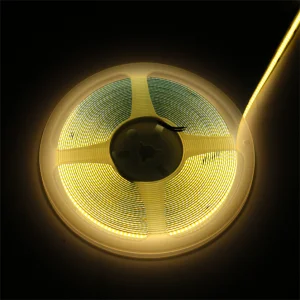
China Top High CRI LED Strip Factory & Suppliers

Premium High-Density COB & SMD Solutions for Global Professional Lighting Projects

Global Industrial Landscape of High CRI LED Lighting

The global lighting industry has transitioned from the basic "pursuit of brightness" to a sophisticated "pursuit of quality." High CRI (Color Rendering Index) LED strips have become the gold standard in modern illumination. CRI measures the ability of a light source to reveal the colors of various objects faithfully in comparison with a natural light source. Today, global markets—particularly in North America, Europe, and developed Asian regions—demand a CRI of 90, 95, or even 98+ for high-end environments.
In the industrial and commercial sectors, the "Full Spectrum" concept is gaining massive traction. Unlike traditional LEDs that often have a "cyan gap" or weak red (R9) values, modern High CRI LED Strip lights replicate the solar spectrum, promoting health and visual comfort. This shift is not merely aesthetic; it is a fundamental requirement for sectors like retail, where product color accuracy directly influences sales, and healthcare, where precision in visual diagnosis is paramount.
🌍

Market Maturity

The transition to 95+ CRI is nearly 80% complete in European museum and gallery lighting sectors.

🏗️

Infrastructure Integration

Standard for LEED and WELL-certified buildings worldwide to ensure occupant well-being.

🔬

Technological Shift

Moving from traditional SMD 2835 chips to advanced COB (Chip on Board) for seamless, dot-free lighting.
Future Trends: Where High CRI LED Technology is Heading

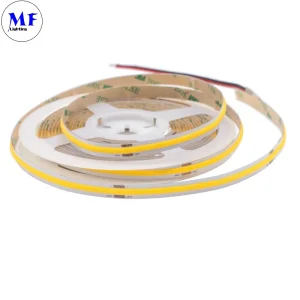
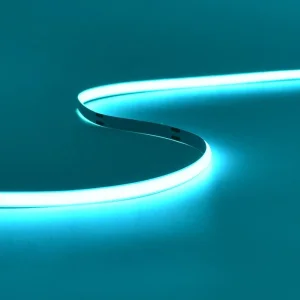
The next decade of LED strip development is defined by three pillars: Miniaturization, Intelligence, and Color Fidelity. As a leading China LED strip factory, we are at the forefront of the COB (Chip on Board) revolution. COB technology allows for thousands of chips to be mounted directly onto the PCB, eliminating the visible "dots" of traditional LED tapes even without a diffuser.
Furthermore, the rise of Human-Centric Lighting (HCL) is driving the demand for Tunable White High CRI strips. These systems adjust color temperature (from 2700K to 6500K) throughout the day to match the human circadian rhythm, all while maintaining a CRI > 95. In the smart home era, integration with Matter, Zigbee, and DALI protocols has become standard, allowing users to control high-fidelity light through AI-driven platforms.
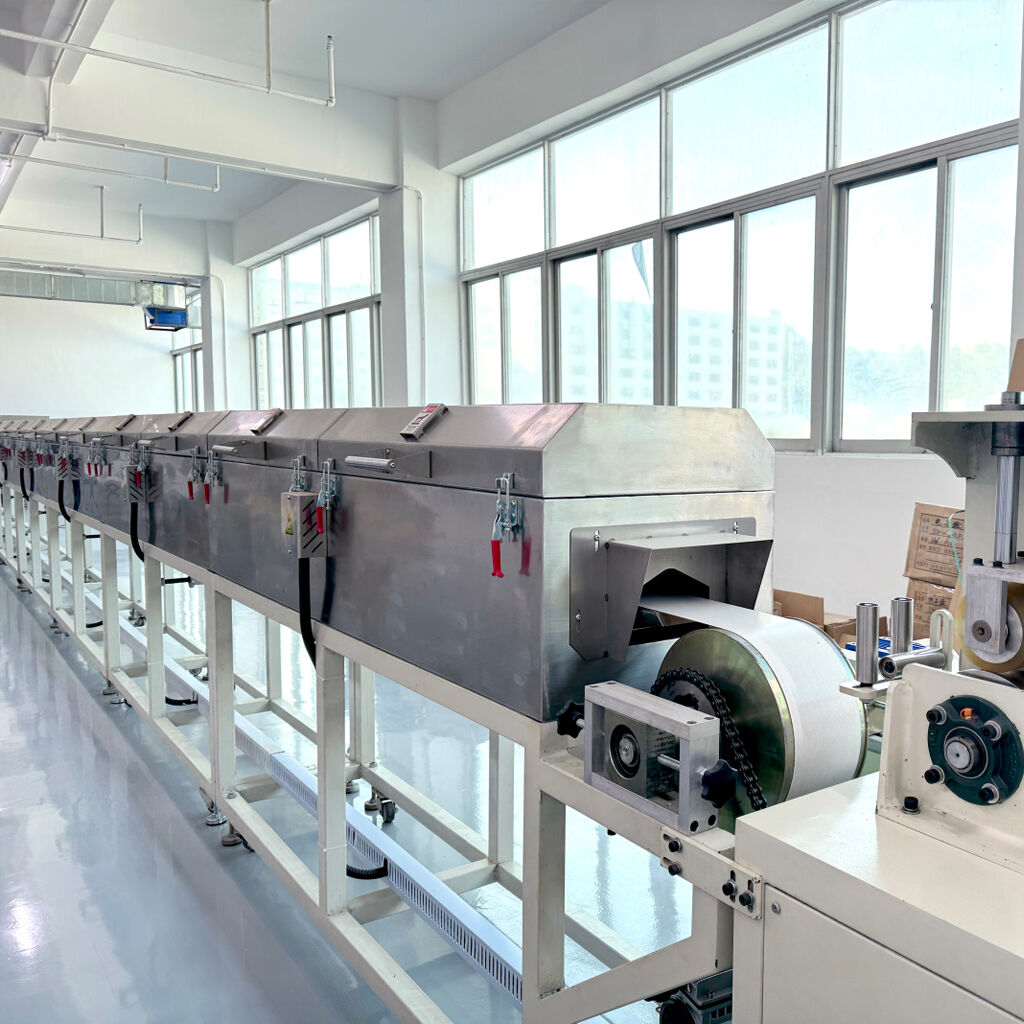
Advanced Factory Production

Meeting Global Procurement Standards

International B2B buyers—from lighting designers in London to architectural firms in New York—share a common set of requirements when sourcing from a China LED strip supplier:
📜

Rigorous Certification

UL, ETL, CE, and RoHS are no longer optional. Compliance ensures safety and eases the import process into regulated markets.

⚖️

Batch Consistency

Strict 3-step MacAdam Ellipse binning is required to ensure that a strip bought today matches one bought six months from now.

🛠️

Customization (OEM/ODM)

Ability to customize PCB width, copper thickness (2oz or 3oz), and specific wavelengths for horticulture or medical use.

50+ Countries Exported
98% CRI Capability
10k+ Project Applications

Localized Application Scenarios: Bringing Light to Life

High CRI LED strips are not "one size fits all." Their application varies significantly across different localized environments:

🖼️ High-End Retail & Galleries

In luxury boutiques (watches, jewelry, fashion), High CRI lighting ensures diamonds sparkle with natural fire and fabrics show their true colors. In galleries, it preserves the artist's intent without UV damage.

🍳 Residential Kitchens & Bathrooms

Under-cabinet lighting with CRI > 90 makes food look appetizing and assists in precise food preparation. In bathrooms, it provides accurate skin tones for makeup application.

🏥 Healthcare & Laboratories

Surgical suites and dental clinics use high-fidelity lighting to distinguish between different tissue types and ensure accuracy in color-matching dental ceramics.
Hangzhou Halo Light Co., Ltd.: Your Trusted Manufacturing Partner

Hangzhou Halo Light Co., Ltd. has steadily evolved into a competitive LED strip light manufacturer, specializing in advanced Neon Flex, SMD, and COB LED lighting solutions for global markets. Since its establishment, the company has focused on combining innovation, quality manufacturing, and customer-oriented service to meet the growing demand for energy-efficient and flexible lighting systems.
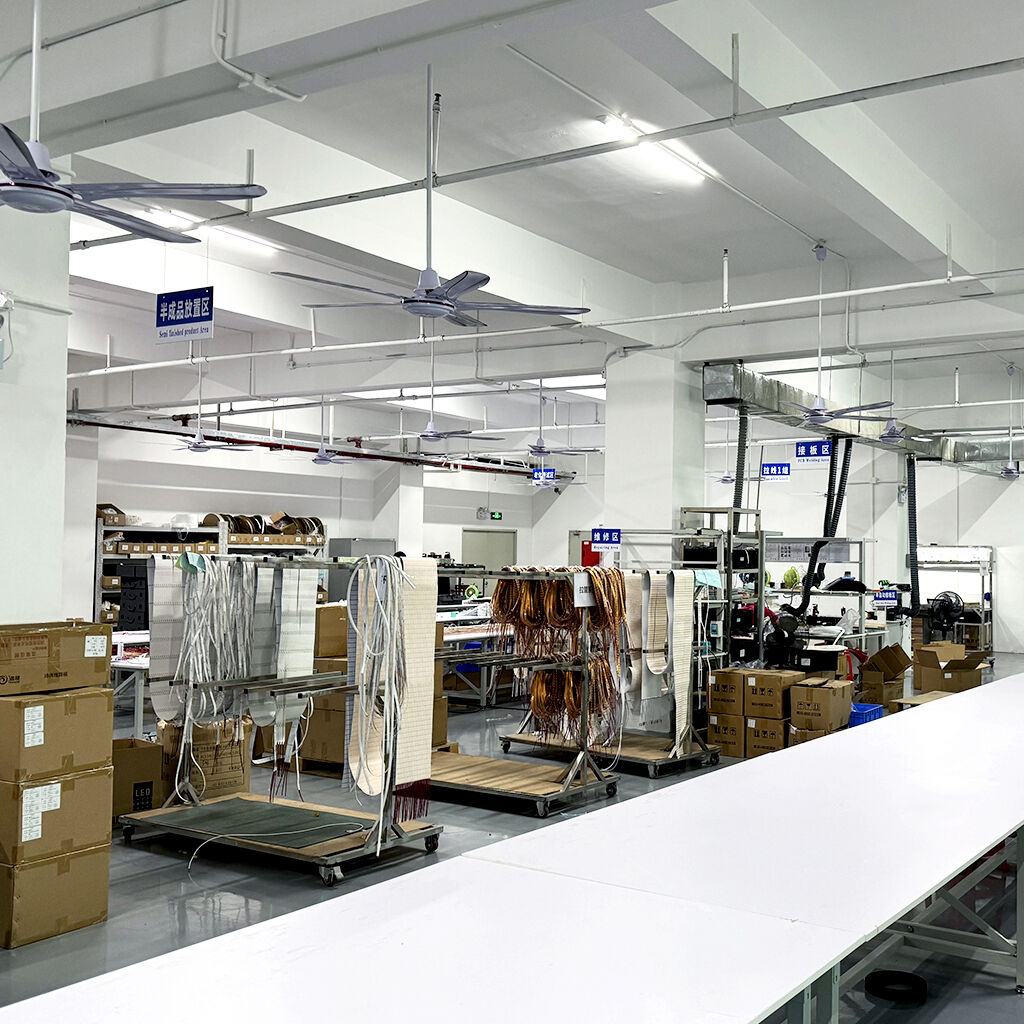
Based in Hangzhou, a key center for technology and manufacturing in China, Halo Light operates a modern production facility equipped with automated assembly lines and strict quality control processes. Over the years, the company has built a professional team of engineers and technicians dedicated to continuous product development and performance optimization.
R&D Center
With a strong emphasis on research and development, Hangzhou Halo Light has expanded its product range from standard LED strip lights to high-density COB strips, durable Neon Flex solutions, and intelligent lighting systems suitable for architectural, commercial, and residential applications. Its products are widely recognized for their stability, brightness consistency, and long service life.
Driven by global market trends and sustainable development goals, the company continues to enhance its manufacturing capabilities and expand its international presence, aiming to deliver reliable, efficient, and innovative LED lighting solutions worldwide.

Why Choose Our Factory? The Strategic Advantage

As a top-tier China High CRI LED Strip Factory, we offer more than just products; we offer a strategic partnership. Our advantages are built on three core pillars:
⚙️

End-to-End Control

From chip encapsulation selection to PCB SMT and final IP-rated sealing, we control every step to ensure 0-defect delivery.

💡

Innovation Speed

Our R&D team releases over 20 new designs annually, keeping our clients ahead of market trends like mini-COB and ultra-narrow strips.

📦

Supply Chain Stability

Located in Hangzhou, we have immediate access to high-quality raw materials, reducing lead times and ensuring competitive pricing.