Halo Light
Halo Light
Halo Light
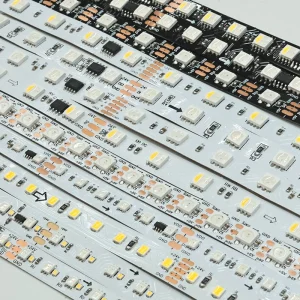
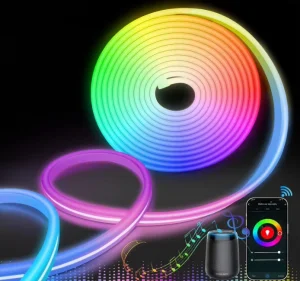
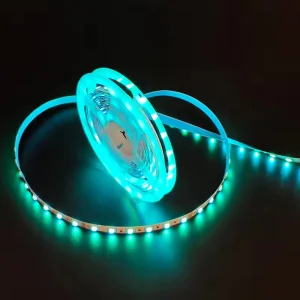
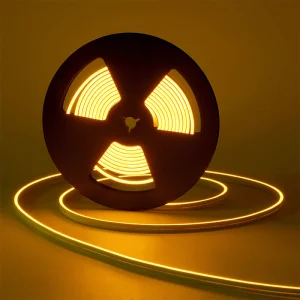
In modern agriculture, light is no longer treated merely as a passive energy source but as a complex informational signal that controls plant growth, morphogenesis, and metabolic synthesis. Off-the-shelf light sources often fall short because they deliver generic spectrum curves that do not align with the specialized stages of commercial cropping. Through advanced Custom OEM LED Grow Lights, commercial growers can curate target spectrum compositions tailored precisely to specific crop cycles.
Standard plant physiology relies heavily on Photosynthetically Active Radiation (PAR), which spans the 400nm to 700nm waveband. Within this region, different wavelengths trigger highly specific biochemical pathways:
Directly targets Chlorophyll A & B absorption peaks. Promotes stomatal opening, vegetative leaf growth, and compact plant structures, preventing unwanted stretching (internodal elongation).
The primary driver for biomass accumulation and photosynthesis. Essential for inducing flowering, budding, and fruit development phases.
Triggers the "Emerson Effect" when paired with red light, compounding photosynthetic efficiency. Modulates photomorphogenesis by shifting the phytochrome ratio (Pr to Pfr), steering crops toward accelerated blooming.
Beyond standard wavelengths, high-performance OEM designs integrate custom UV-A (380nm – 400nm) and UV-B bands to stress plants in a controlled manner, which activates defense mechanisms that increase secondary metabolites, essential oils, and terpene concentrations. Utilizing high-density Chip-on-Board (COB) technology and advanced Surface Mounted Device (SMD) arrays allows for a homogeneous spectral mix. This ensures that every plant canopy receives identical photon ratios, eliminating "hotspots" and ensuring uniform harvest quality.
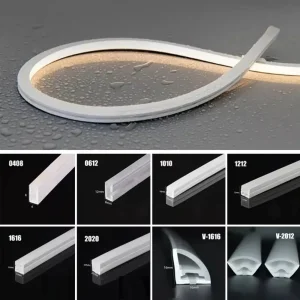
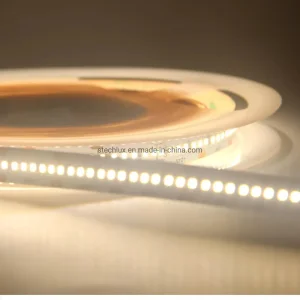
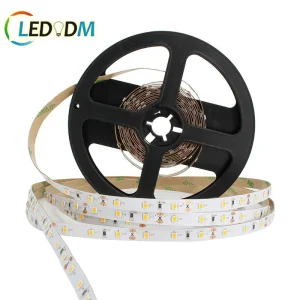
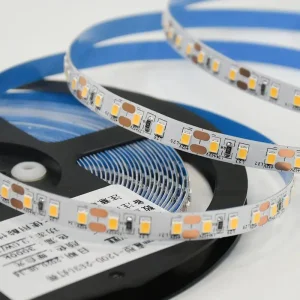
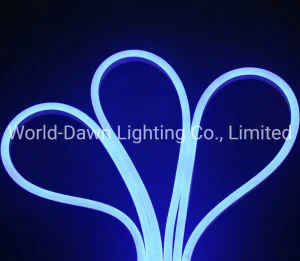
Hangzhou Halo Light Co., Ltd. has steadily evolved into a competitive LED strip light manufacturer, specializing in advanced Neon Flex, SMD, and COB LED lighting solutions for global markets. Since its establishment, the company has focused on combining innovation, quality manufacturing, and customer-oriented service to meet the growing demand for energy-efficient and flexible lighting systems.
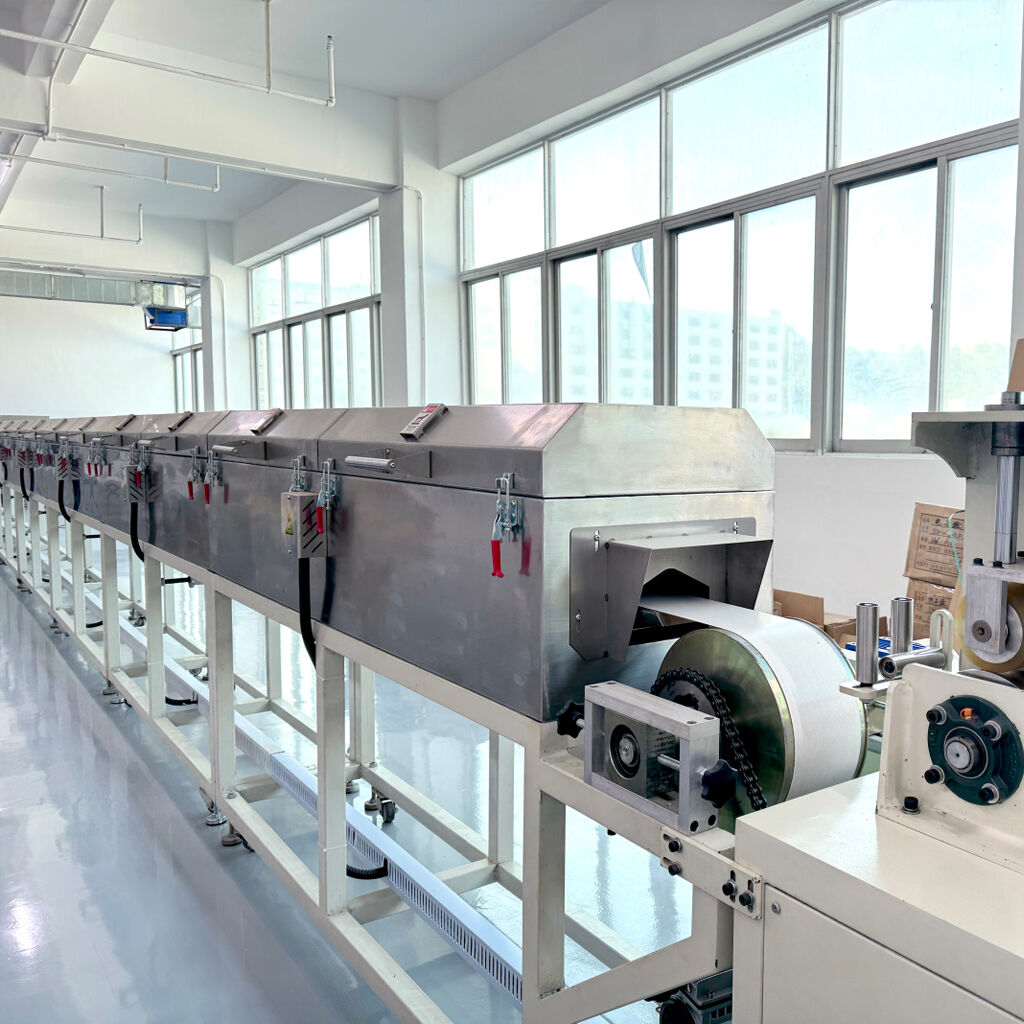
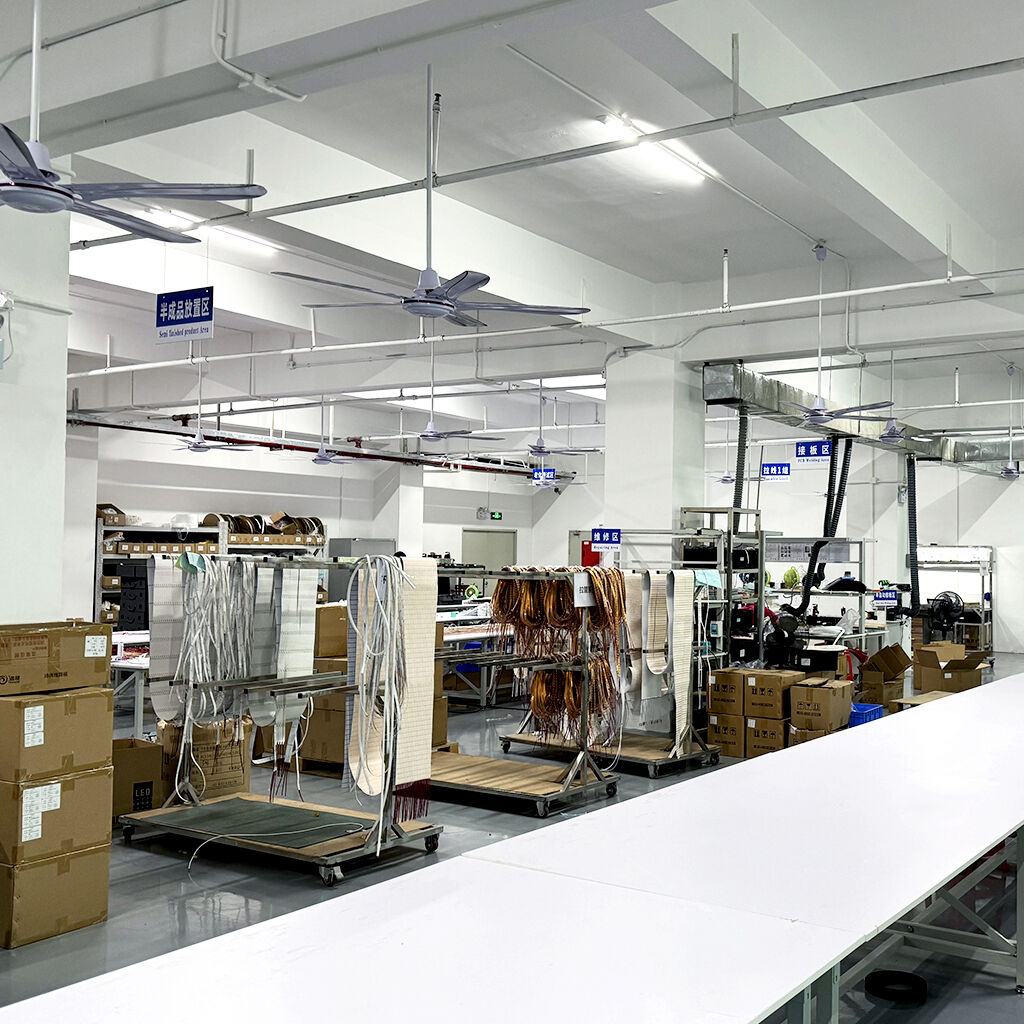
Based in Hangzhou, a key center for technology and manufacturing in China, Halo Light operates a modern production facility equipped with automated assembly lines and strict quality control processes. Over the years, the company has built a professional team of engineers and technicians dedicated to continuous product development and performance optimization.
With a strong emphasis on research and development, Hangzhou Halo Light has expanded its product range from standard LED strip lights to high-density COB strips, durable Neon Flex solutions, and intelligent lighting systems suitable for architectural, commercial, and residential applications. Its products are widely recognized for their stability, brightness consistency, and long service life. Driven by global market trends and sustainable development goals, the company continues to enhance its manufacturing capabilities and expand its international presence, aiming to deliver reliable, efficient, and innovative LED lighting solutions worldwide.
Implementing customized LED grow lights requires deep understanding of localized environments. Each indoor farming topology comes with specific challenges related to humidity, spatial constraints, and target yields:
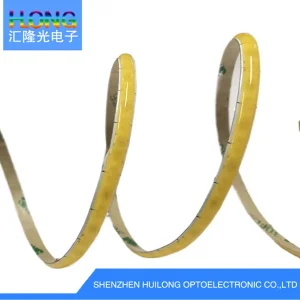
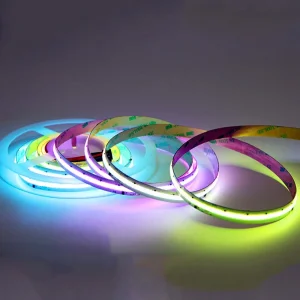
Urban crop production relies on optimizing yield per square meter. In stacked vertical systems, vertical height is extremely limited. Standard bulky grow fixtures generate intense radiative heat, which can scorch canopies. By utilizing high-density COB strip lights and thin, flexible LED strips designed for commercial lighting, growers can deploy close-canopy light bars. These configurations achieve high Photosynthetic Photon Flux Density (PPFD) without excessive heat generation. Integrated silicone sealing offers IP67/IP68 waterproof protection, surviving automated nutrient misting and overhead irrigation systems.
In northern latitudes, natural daylight drops below the required Daily Light Integral (DLI) for several months of the year. OEM manufacturers configure custom high-power grow light bars that integrate with existing truss structures. These bars deliver targeted red and far-red spectra during low-sunlight hours, ensuring consistent year-round yields of vine crops like tomatoes, cucumbers, and peppers.
Medicinal crop growers demand precise control over secondary compounds. Utilizing custom-engineered multi-channel LED bars allows cultivators to adjust the ratio of Red, Blue, UV, and Far-Red light in real-time. By utilizing programmable controllers, growers can transition the crop from vegetative spectra to a heavily Red/Far-Red shifted spectrum for flowering, finishing with a short burst of UV light to maximize active compound accumulation.
The next generation of horticultural solid-state lighting relies on efficiency optimizations, smarter control loops, and durable materials:
Advanced Thermal Management: The performance of high-power LED arrays depends on maintaining low junction temperatures ($T_j$). Excessive heat degrades both light output and shifts spectral configurations. Future-proof designs incorporate high-conductivity ceramic substrates, thick-copper printed circuit boards (PCBs), and aircraft-grade aluminum heat sinks. These components dissipate heat passively, eliminating the failure points associated with active cooling fans.
Intelligent Digital Control Platforms: Integrating smart controllers is critical for scaling operations. Utilizing protocols like DMX512, Dali-2, and wireless IoT apps, growers can orchestrate dynamic daily schedules that mimic natural sunrises and sunsets. This reduces stress on plant tissues and optimizes power consumption, bringing down overall operating costs.
China remains the global anchor for optoelectronic manufacturing, offering unprecedented supply chain integration. The ecosystem brings together wafer synthesis, encapsulation facilities, PCB manufacturing, and final assembly lines within tight geographical hubs. This dense network minimizes logistics friction, enabling fast-turnaround prototyping and scalable manufacturing.
For global importers, this localized supply chain structure translates to direct competitive benefits:
Exporting electrical fixtures to international markets demands strict adherence to dynamic electrical and safety standards. High-performance grow light lines must satisfy regional certifications to protect user investments:
Fixtures operating in high-humidity agricultural environments require certified safety listings. UL 8800 outlines standard requirements for horticultural lighting equipment, evaluating photobiological safety, corrosion resistance, and thermal tolerance. In addition, meeting DLC guidelines allows commercial projects to secure utility rebates, reducing up-front investment costs.
In Europe, products must carry the CE mark and conform to RoHS directives, ensuring that no hazardous substances are used in construction. Our manufacturing processes enforce clean-room SMT assembly and utilize certified non-toxic raw materials. This ensures that final assemblies comply with local standards, facilitating smooth customs clearance and quick integration into commercial operations.