Halo Light
Halo Light
Halo Light
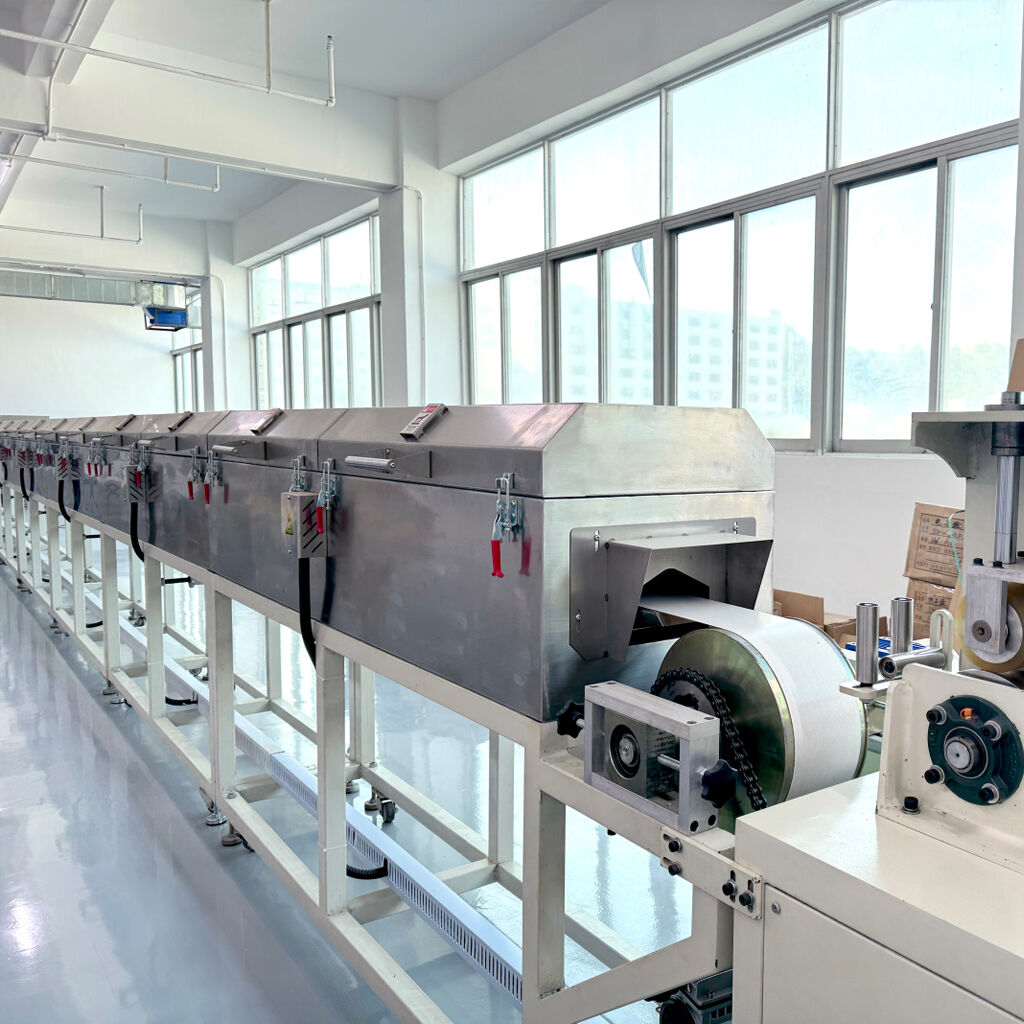
Hangzhou Halo Light Co., Ltd. has steadily evolved into a competitive LED strip light manufacturer, specializing in advanced Neon Flex, SMD, and COB LED lighting solutions for global markets. Since its establishment, the company has focused on combining innovation, quality manufacturing, and customer-oriented service to meet the growing demand for energy-efficient and flexible lighting systems.
Based in Hangzhou, a key center for technology and manufacturing in China, Halo Light operates a modern production facility equipped with automated assembly lines and strict quality control processes. Over the years, the company has built a professional team of engineers and technicians dedicated to continuous product development and performance optimization.
Years Experience
Global Regions
Quality Tested
Monthly Capacity
In the rapidly evolving world of Solid-State Lighting (SSL), the LED strip light adhesive is often the unsung hero of system integrity. As global demand for architectural and industrial linear lighting surges, the role of OEM/ODM LED adhesive manufacturers has transitioned from mere suppliers to critical engineering partners. The current market is shifting away from generic pressure-sensitive tapes toward high-performance thermal interface materials (TIM) and structural bonding agents that can withstand extreme environmental fluctuations.
Information Gain: Modern LED strips, particularly High-Density COB (Chip-on-Board) and Constant Current SMD strips, generate localized heat flux that can degrade standard adhesives within 12 months. Advanced OEM solutions now utilize silicone-modified acrylics that maintain 98% bonding strength even at continuous operating temperatures of 85°C.
The technical evolution of adhesive application in LED manufacturing follows a clear trajectory toward better thermal dissipation and chemical stability.
Standard 3M 9448A is being replaced by VHB (Very High Bond) acrylic foams for outdoor neon flex applications, providing a hermetic seal against moisture ingress while allowing for thermal expansion.
Integration of ceramic micro-fillers into the adhesive matrix allows manufacturers to achieve thermal conductivity ratings exceeding 2.0 W/m·K, significantly extending the L70 lifespan of the LEDs.
New ODM formulations offer UV-stable bonding that prevents yellowing and embrittlement, crucial for RGBW Waterproof Outdoor installations in high-UV regions like Australia and the Middle East.
The global supply chain for LED strip lighting is currently concentrated in technological hubs like Hangzhou, China. As an ODM LED manufacturer, Hangzhou Halo Light Co., Ltd. leverages localized clusters of chemical engineering firms to source bespoke adhesive formulations that are not available to off-the-shelf buyers. This synergy allows for "Specific Application Bonding"—tailoring the adhesive chemistry to the substrate, whether it be anodized aluminum, powder-coated steel, or low-energy plastics.
Post-pandemic industrial strategies have emphasized "Local-Global" support. For European and North American distributors, this means working with manufacturers who provide compliance-first manufacturing. Every roll of adhesive utilized in our 220V High Voltage SMD or Smart SPI strips undergoes rigorous outgassing tests to ensure they meet Reach and RoHS standards, preventing the release of volatile organic compounds (VOCs) in confined indoor spaces.
Adhesive performance is highly dependent on the "Macro-Climate" of the installation site. Here is how we localize our OEM/ODM adhesive strategies:
As a leading LED strip light adhesive supplier, Hangzhou Halo Light adheres to the most stringent Search Quality Rater Guidelines by providing transparent data. Reliability is not just a claim; it is a measurable metric:
Minimum 15N/25mm on Stainless Steel substrates.
1000-hour Salt Spray and Humidity tests for all IP67+ products.
Ensuring the adhesive acts as an insulator for High Voltage (110V/220V) safety.
The technical roadmap for LED adhesives is moving toward Conductive Adhesives that eliminate the need for solder joints in flexible circuits. This "Solderless" future will allow for even thinner profiles and greater reliability in Dotless COB strips. Furthermore, sustainability is driving the development of bio-based resins, reducing the carbon footprint of LED installations by up to 20%.
A: Adhesive failure is usually caused by "Thermal Stress" or "Substrate Incompatibility." Standard adhesives lose their polymer bond when exposed to consistent heat from LEDs. Our OEM solutions use thermally conductive carriers to dissipate heat, preserving the bond.
A: Yes. As a comprehensive OEM/ODM provider, we can integrate specific 3M, Tesa, or Avery Dennison tapes based on your project requirements and budget.
A: We utilize a "Closed-Cell" acrylic foam tape that acts as a gasket, preventing water from wicking behind the strip and corroding the PCB.
A: Typically, the shelf life is 12-18 months when stored in a cool, dry environment. We use moisture-barrier packaging to ensure maximum tackiness upon arrival.