Halo Light
Halo Light
Halo Light
Explore our highly integrated SMD, COB, and Constant Current linear systems engineered to pair perfectly with industry-standard connectors.
The transformation of global architectural, commercial, and industrial lighting over the last decade is directly linked to the development of robust sub-components. Among these, the LED strip light connector plays a paramount role. Once viewed as basic mechanical clips, modern interconnect systems are highly engineered, precision-designed components capable of handling various electrical load requirements while dealing with mechanical stress, environmental moisture, and thermal expansion cycles.
In high-end architectural integrations, standard manual soldering is increasingly replaced by solderless, mechanical gas-tight crimp connections. Solder joint failure—frequently caused by heat-induced structural degradation, vibrations, or installation strains—poses a significant risk to project lifespans. As linear lighting projects grow in scale, system designers demand high-reliability connectors that ensure constant lumen output and minimal voltage drop across extended electrical runs.
Modern low-voltage DC LED installations running on 12V or 24V buses are highly sensitive to contact resistance. A mere increase of 0.2 Ohms in contact resistance across a connector can trigger a significant voltage drop, resulting in visible chromaticity shifts and reduced brightness down the line, as well as localized heat accumulation that degrades the flexible printed circuit (FPC) board.
From a global commercial standpoint, the demand is splitting into two major vectors: high-volume, cost-optimized products for residential smart home retrofits and rugged, ingress-protected (IP-rated) structural connectors designed for harsh outdoor, marine, or industrial process environments. In response, global connector manufacturers are expanding their R&D to provide specialized board-to-board and wire-to-board solutions that fit narrow FPC profiles down to 8mm, 5mm, or even 4mm widths.
A comprehensive overview of a premier manufacturer integrating advanced flexible lighting and industrial connection technology.
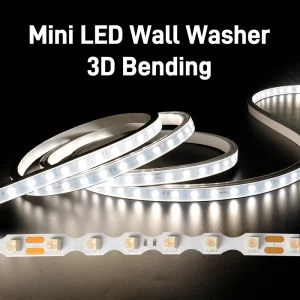
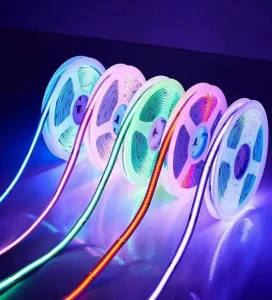
Hangzhou Halo Light Co., Ltd. has steadily evolved into a competitive LED strip light manufacturer, specializing in advanced Neon Flex, SMD, and COB LED lighting solutions for global markets. Since its establishment, the company has focused on combining innovation, quality manufacturing, and customer-oriented service to meet the growing demand for energy-efficient and flexible lighting systems.
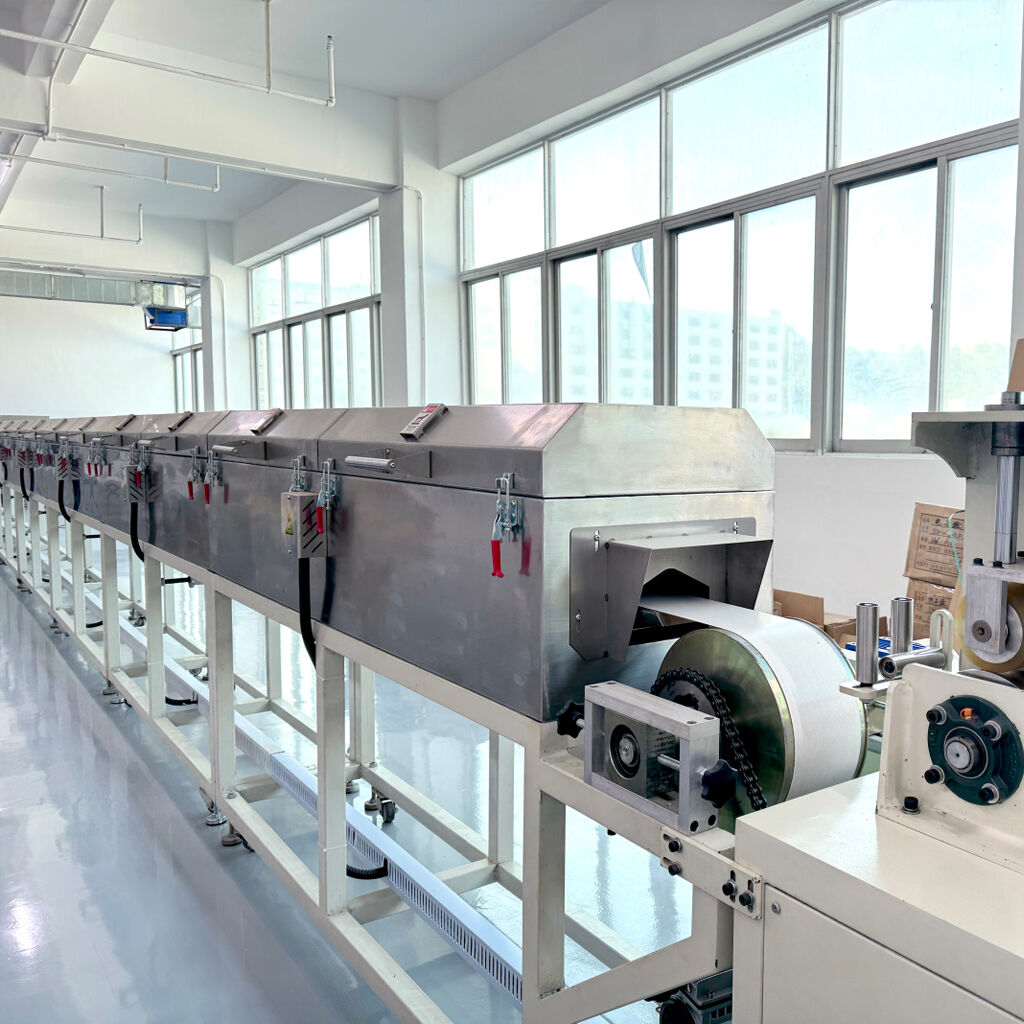
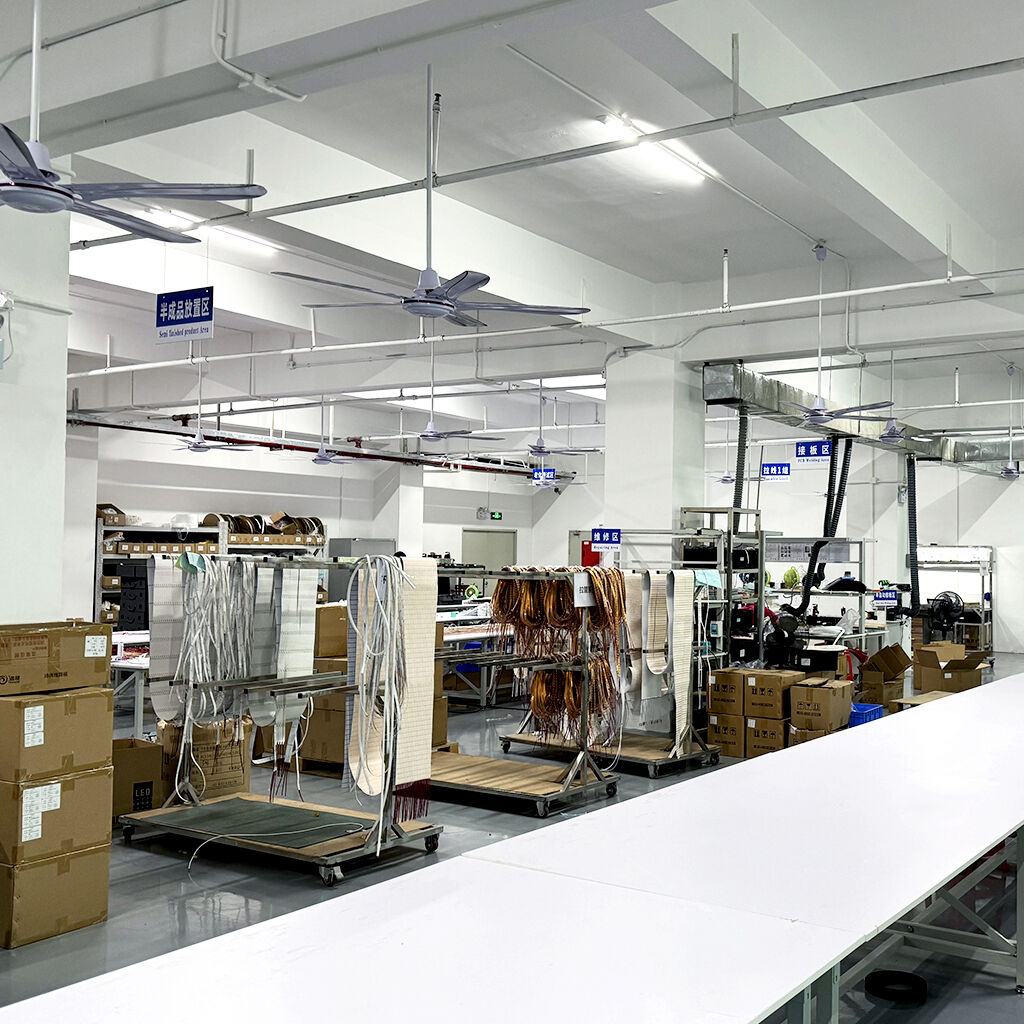
Based in Hangzhou, a key center for technology and manufacturing in China, Halo Light operates a modern production facility equipped with automated assembly lines and strict quality control processes. Over the years, the company has built a professional team of engineers and technicians dedicated to continuous product development and performance optimization.
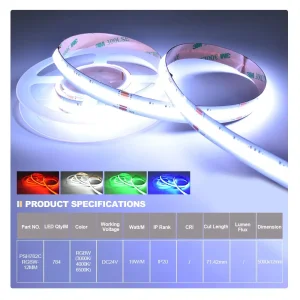
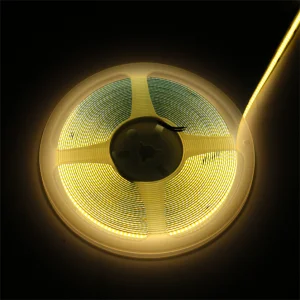
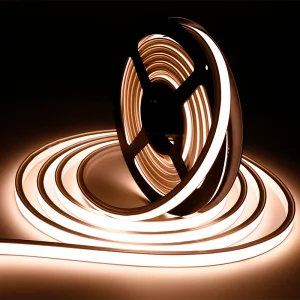
With a strong emphasis on research and development, Hangzhou Halo Light has expanded its product range from standard LED strip lights to high-density COB strips, durable Neon Flex solutions, and intelligent lighting systems suitable for architectural, commercial, and residential applications. Its products are widely recognized for their stability, brightness consistency, and long service life.
Driven by global market trends and sustainable development goals, the company continues to enhance its manufacturing capabilities and expand its international presence, aiming to deliver reliable, efficient, and innovative LED lighting solutions worldwide.
A technical assessment of the world's leading brands engineering electrical interface components for solid-state linear lighting systems.
TE Connectivity is a global engineering powerhouse specializing in connectors and sensors for extreme environments. Their product lineup includes low-profile solderless connector systems specifically designed for high-power LED strips, minimizing space requirement while maintaining heavy mechanical retention.
Molex produces highly engineered micro-connectors featuring space-saving dimensions ideal for dense COB layouts. Their Lite-Trap connector series offers an ultra-low profile wire-to-board connection system with an easy-to-use push-button latching mechanism that ensures reliable electrical contact.
Famous for their cage clamp terminal blocks, WAGO has introduced groundbreaking tool-free PCB connectors for linear lighting. Their SMD terminal blocks facilitate high-density wiring connections for light fixtures, eliminating cold solder joints completely.
Phoenix Contact delivers robust connection systems targeted at industrial, agricultural, and high-exposure architectural outdoor lighting systems. Their PTSM and PTF product lines feature ultra-compact designs optimized for high-power flexible LED applications.
Hirose offers premium sub-miniature connectors focusing on the consumer electronics and automotive sectors. Their flat flexible cable (FFC) and FPC board-to-board systems are highly valued by high-end interior display design companies requiring minimal visual impact.
By designing complete linear lighting systems, Halo Light ensures that their flexible SMD and COB LED strips align seamlessly with advanced connection modules. Their proprietary co-extruded waterproof connection designs protect silicone and neon rope lights in challenging environments.
Amphenol is one of the world's largest designers of electrical and fiber optic connectors. For architectural solid-state lighting, they produce high-reliability harsh-environment sealed circular and modular rectangular connectors featuring advanced IP ratings.
JST excels in designing high-quality wire-to-board and board-to-board connectors. Their crimp technology is widely used in LED driver-to-strip connections, ensuring robust vibration resistance and sustained contact force.
Topo focuses specifically on strip-light accessories and specialized solderless connectors for quick installations. Their snap-on clear-window connectors allow users to inspect the physical contact point, dramatically reducing installation errors in the field.
Green Connector focuses on bespoke custom solutions for high-end luminaire manufacturers. They offer tailor-made structural connector shapes, customized pitch widths (including 2-pin, 3-pin for CCT tuning, 4-pin for RGB, and 5-pin/6-pin for RGBW/RGBCCT), and optimized conductor gauge capacities.
To successfully integrate linear lighting systems, it is essential to understand the structural classes of modern strip-to-strip and strip-to-power connectors. Below is an engineering comparison of the main interfaces used in high-performance configurations:
Pin pitch selection is determined by the functional characteristics of the light engine. A typical breakdown includes:
A major cause of system failures in commercial linear lighting is the use of sub-standard alloys in contact pins. Cheap brass contacts lack the necessary elasticity over time; thermal expansion cycles cause the contact jaws to fatigue and loosen. High-quality manufacturers use phosphor bronze or beryllium copper base metals finished with nickel underplating and thin gold flash plating. This guarantees reliable contact pressure and prevents corrosion over decades of service.
Compliance with local electrical codes is critical when installing commercial linear lighting. Electrical inspectors in North America look for UL 8750 (Light Emitting Diode Equipment for Use in Lighting Products) and UL 1977 (Component Connectors for Use in Data, Signal, Control and Power Applications) marks. In Europe, CE-LVD and ENEC certifications verify compliance with safety and environmental directives.
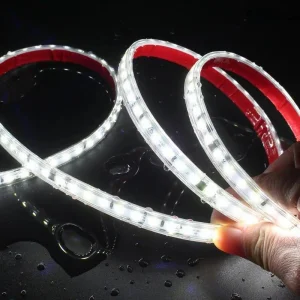
For outdoor settings—such as building facades, landscape elements, and marine docks—ingress protection is paramount. Connectors must maintain watertight seals while remaining flexible. Manufacturers utilize customized co-molded silicone boots with internal gel sealing rings to achieve IP67 or IP68 ratings. These seals are formulated to resist UV radiation and chlorine degradation, preventing moisture intrusion under changing temperatures.
As solid-state lighting advances, we expect connectors to follow these key industry trends:
Developing robust, solderless mechanical connectors designed for ultra-narrow 4mm to 5mm COB strips, matching the trend toward minimalist linear architectural lighting.
Integrating miniature diagnostic microchips into connector caps to monitor current levels, thermal output, and detect circuit breaks, reporting real-time data back to central building management systems.
Transitioning standard polycarbonate plastic connector housings to bio-resins, reducing environmental impact while maintaining UL 94 V-0 flame-retardant performance.
Answers to crucial technical questions regarding linear lighting connections, contact physics, and installation practices.
Explore our premium architectural LED products, built to withstand challenging environments and deliver uniform lighting outputs.