Halo Light
Halo Light
Halo Light
Explore our high-performance, addressable, and flexible LED strip systems engineered for seamless integration with advanced controllers.
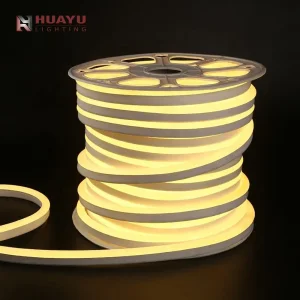
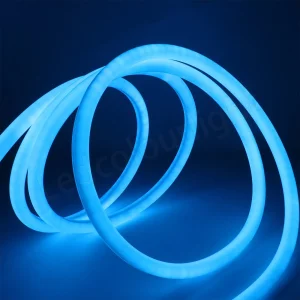
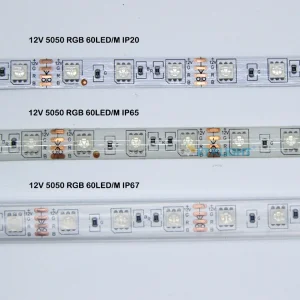
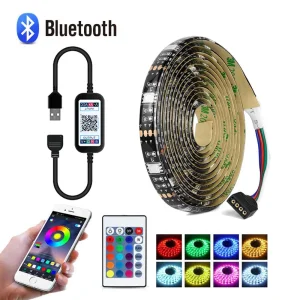
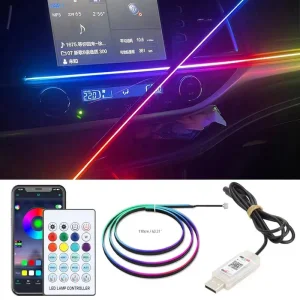
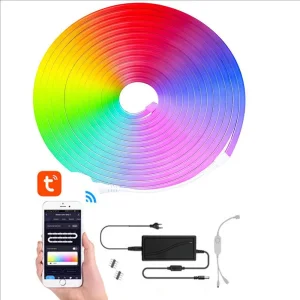
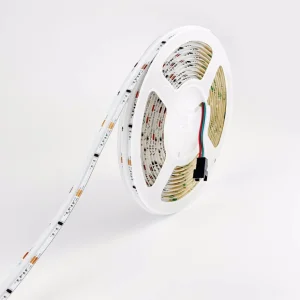
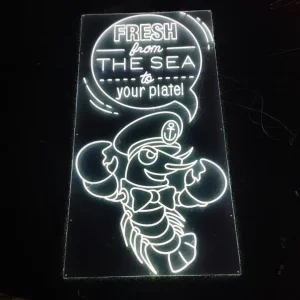
How advanced control systems are redefining architectural, industrial, and commercial lighting ecosystems worldwide.
The global smart lighting market is undergoing a massive paradigm shift. No longer limited to simple on/off switches or basic analog dimming, modern installations demand dynamic, responsive, and highly granular control. At the heart of this revolution is the LED strip light controller. From architectural facades to automotive interiors and massive entertainment venues, controllers serve as the brain, translating digital instructions into precise electrical currents to manage color temperature, RGB/RGBW color mixing, and complex pixel-addressable animations.
In industrial and commercial sectors, energy efficiency regulations and the rise of smart building automation systems (BAS) have pushed protocols like DALI-2, DMX512/RDM, and KNX to the forefront. These protocols allow facilities managers to integrate lighting with HVAC and security systems, optimizing energy consumption based on occupancy and ambient light levels. Concurrently, the consumer and hospitality markets are rapidly adopting wireless technologies such as Tuya WiFi, Bluetooth Mesh, Zigbee, and the emerging Matter standard, enabling seamless control via voice assistants and mobile applications.
Understanding the technical parameters that dictate performance, longevity, and signal integrity.
Most flexible LED strips operate on Constant Voltage (typically 12V, 24V, or 36V). The controller regulates the voltage level and uses Pulse Width Modulation (PWM) to dim the LEDs. For high-power architectural fixtures, Constant Current controllers are used to prevent thermal runaway and ensure uniform brightness across long distances.
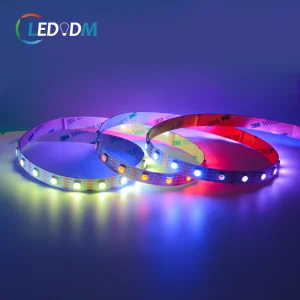
Addressable strips (using ICs like WS2811, WS2812B, WS2815, or UCS1903) require specialized controllers that transmit digital data packets. Each pixel can be controlled individually, allowing for complex visual effects, video mapping, and dynamic color chasing. Selecting the right SPI controller is critical to maintaining high refresh rates and avoiding signal lag.
As control signals and power travel down a strip, they experience voltage drop and signal degradation. High-quality controllers feature robust output drivers, and factories must provide matching power repeaters (amplifiers) and signal isolators to maintain color consistency and prevent data corruption over long runs.
When sourcing LED strip light controllers and advanced strips, China represents the pinnacle of supply chain integration and manufacturing efficiency. The concentration of component suppliers, SMT (Surface Mount Technology) factories, and testing laboratories allows for rapid prototyping, strict cost control, and unmatched scalability.
Hangzhou Halo Light Co., Ltd. has steadily evolved into a competitive LED strip light manufacturer, specializing in advanced Neon Flex, SMD, and COB LED lighting solutions for global markets. Since its establishment, the company has focused on combining innovation, quality manufacturing, and customer-oriented service to meet the growing demand for energy-efficient and flexible lighting systems.
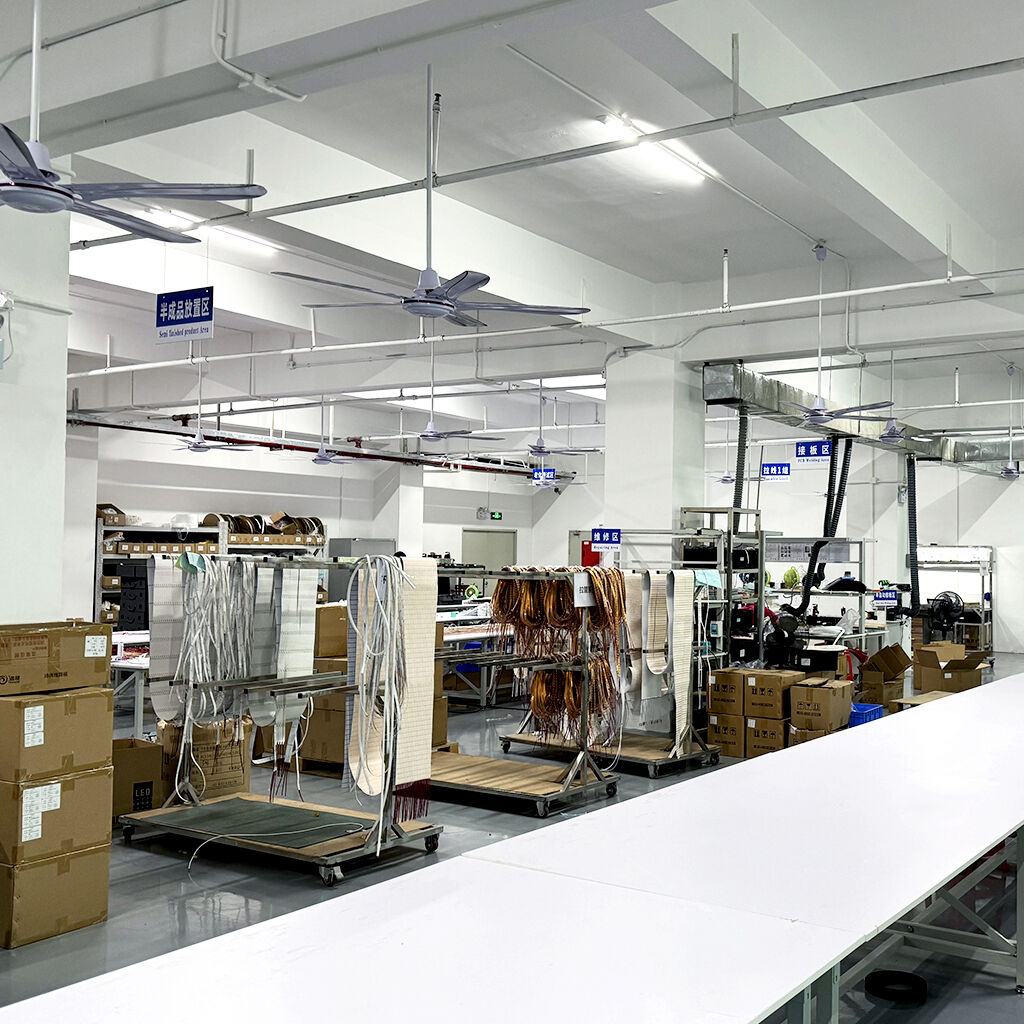
Based in Hangzhou, a key center for technology and manufacturing in China, Halo Light operates a modern production facility equipped with automated assembly lines and strict quality control processes. Over the years, the company has built a professional team of engineers and technicians dedicated to continuous product development and performance optimization.
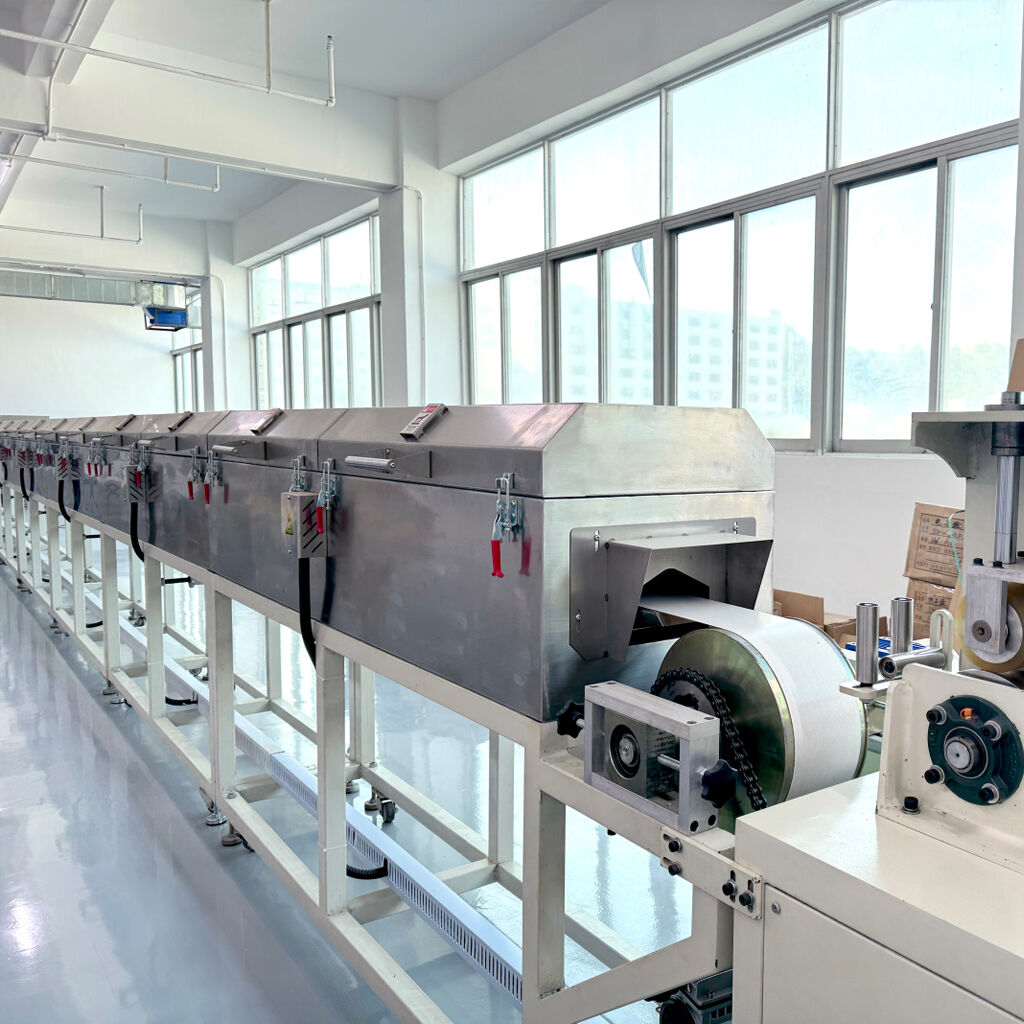
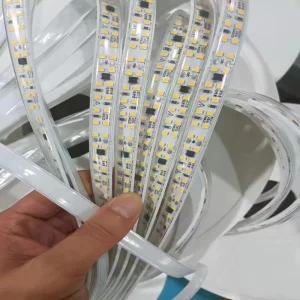
With a strong emphasis on research and development, Hangzhou Halo Light has expanded its product range from standard LED strip lights to high-density COB strips, durable Neon Flex solutions, and intelligent lighting systems suitable for architectural, commercial, and residential applications. Its products are widely recognized for their stability, brightness consistency, and long service life.
Driven by global market trends and sustainable development goals, the company continues to enhance its manufacturing capabilities and expand its international presence, aiming to deliver reliable, efficient, and innovative LED lighting solutions worldwide. By integrating advanced controllers with their high-density COB and addressable strips, they ensure seamless compatibility, minimizing the integration risks that B2B buyers often face when sourcing components from separate vendors.
Tailoring controller and strip configurations to meet specific environmental and functional requirements.
Requires heavy-duty, waterproof controllers (IP67+) utilizing DMX512/RDM protocols. These systems allow long-distance data transmission and real-time monitoring of fixture health. Combined with silicone-extruded Neon Flex, they withstand extreme UV exposure and temperature fluctuations.
Demands high-CRI (90+) tunable white or RGBW strips paired with DALI-2 or Zigbee controllers. This setup enables Human-Centric Lighting (HCL), automatically adjusting color temperature throughout the day to enhance customer mood, productivity, and product presentation.
Focuses on ease of integration and user experience. Tuya WiFi, Bluetooth Mesh, and Matter-compatible controllers allow end-users to control ambient lighting via smartphones, smart speakers (Alexa, Google Assistant), and automated schedules.
Key technical evaluations for B2B buyers, sourcing managers, and lighting engineers.
Sourcing LED controllers at an industrial scale requires careful evaluation of technical specifications to ensure system reliability and compliance. When auditing a factory or evaluating product samples, procurement teams should prioritize the following criteria:
Ensure the controllers carry relevant international certifications such as CE, RoHS, FCC, UL, or ETL. Compliance guarantees that the electrical components meet safety standards, reducing liability risks in commercial installations.
Low PWM frequencies can cause visible flicker, leading to eye strain and issues with video recording (camera flicker). Look for controllers offering high-frequency PWM (up to 4KHz or higher) and smooth 16-bit dimming curves.
Controllers generate heat during operation, especially under full load. Industrial-grade units must feature over-current, over-voltage, short-circuit, and over-temperature protections housed in flame-retardant casings.
The technological advancements shaping the next generation of lighting control.
The future of LED control is defined by interoperability and intelligence. The rapid adoption of the Matter protocol is breaking down the silos between different smart home ecosystems, allowing a single controller to communicate natively with Apple Home, Google Home, and Amazon Alexa without complex bridges.
Additionally, Human-Centric Lighting (HCL) algorithms are becoming standard features in commercial controllers. By matching the indoor lighting spectrum and intensity with the natural circadian rhythm, these systems improve productivity in offices and accelerate healing in healthcare facilities. Finally, the miniaturization of control ICs is enabling "smart strips" where the controller chip is embedded directly onto the flexible PCB, eliminating the need for bulky external control boxes.
Technical answers to common questions regarding LED strip light controllers and factory sourcing.
DMX512 is optimized for high-speed, dynamic lighting effects, stage shows, and color-changing facades where real-time control and high refresh rates are required. DALI-2 is designed for architectural and commercial space lighting, focusing on static scenes, individual addressability of fixtures, energy monitoring, and integration with building management systems (BMS).
Voltage drop occurs when electrical resistance along the strip causes the voltage to decrease over distance, resulting in dimming or color shifting at the far end. Controllers mitigate this by using higher operating voltages (24V or 36V instead of 12V), and installers must use power injection (feeding power to both ends or at regular intervals) and signal amplifiers for long runs.
Non-addressable controllers adjust the voltage of the entire strip simultaneously, meaning all LEDs display the same color and brightness. Addressable controllers send digital data to individual IC chips on the strip, allowing each LED pixel to be controlled independently for dynamic patterns, animations, and video mapping.
PWM (Pulse Width Modulation) dims LEDs by turning them on and off rapidly. If the frequency is too low (e.g., under 200Hz), it can cause visible flicker, headaches, and banding lines on video recordings. High-quality commercial controllers operate at frequencies above 2KHz to 4KHz to ensure flicker-free operation.
Yes. Many Tuya smart controllers support Bluetooth local control or local Zigbee gateways. While remote access and cloud automation require an internet connection, basic control, schedules, and local scenes can function within the local network.
Heavy-duty, high-voltage, and specialized LED strips engineered for demanding commercial and outdoor environments.