Halo Light
Halo Light
Halo Light
High-efficiency, custom-engineered LED strips, Neon Flex, and COB modules for global distribution, architectural projects, and commercial setups.
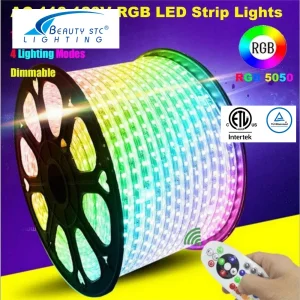
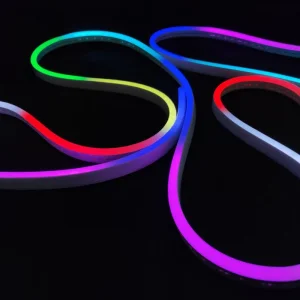
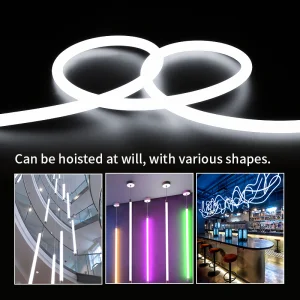
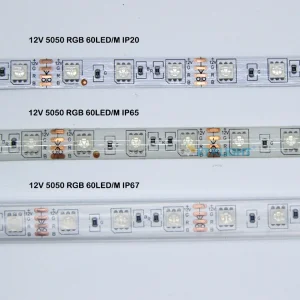
A deep technical breakdown of the structural shifts occurring within the global solid-state lighting arena.
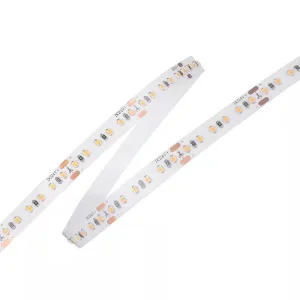
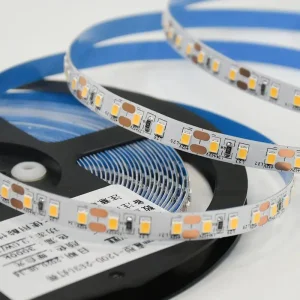
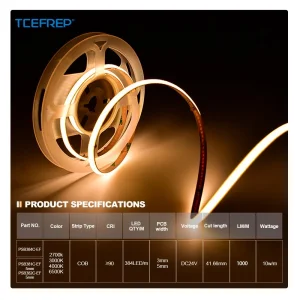
Traditional SMD designs are seeing rapid replacement by high-density COB (Chip-on-Board) architectures. With up to 784 LEDs per meter, COB eliminates visible pixel dotting, delivering seamless linear output without bulky diffusers. This maximizes lumen density and provides uniform spatial distribution for premium architectural profiles.
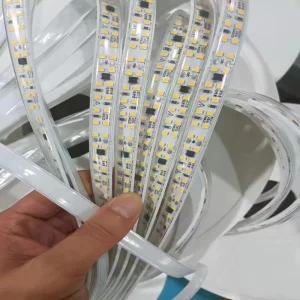
Environmental resistance has transitioned from standard PVC coatings to advanced UV-stabilized silicone co-extrusion. This protects circuitry from discoloration (yellowing), thermal stress, and micro-cracking while achieving true IP67 and IP68 ratings for rigorous outdoor facades and marine environments.
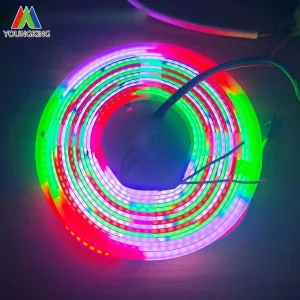
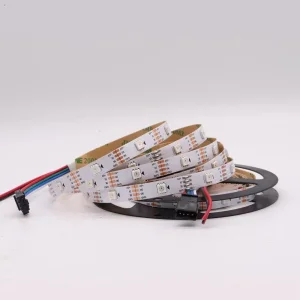
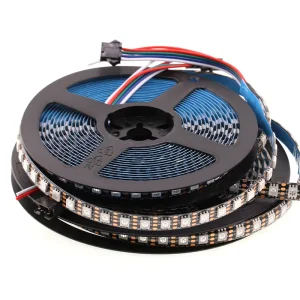
Digital addressability is no longer just for specialized displays. With protocols such as WS2815, WS2813, and WS2814 (RGBW IC), system integrators run precise, multi-signal dynamic lighting scenes with dual-line backup protection to guarantee operation even if a single pixel fails.
How enterprise buyers evaluate supply chains, minimize downstream failures, and secure project approval.
Global markets require compliance with regional guidelines, including UL (North America), CE (Europe), RoHS, and Energy Star. Enterprise procurement pipelines prioritize manufacturers that undergo regular third-party audits and maintain traceable compliance documentation for structural components.
Long-run installations often suffer from brightness degradation due to line voltage drops. Professional installers resolve this by demanding high-voltage options (such as 110V, 220V, or constant-current 24V linear runs) that sustain consistent photometric values from start to finish without extra power injectors.
Architectural installations cannot tolerate variations in white color temperatures between production batches. Procurement guidelines demand SDCM < 3 (Standard Deviation Color Matching) to ensure color uniformity across thousands of linear meters installed side-by-side.
Analyzing the operational execution of Hangzhou Halo Light Co., Ltd. within China's premier tech manufacturing corridor.
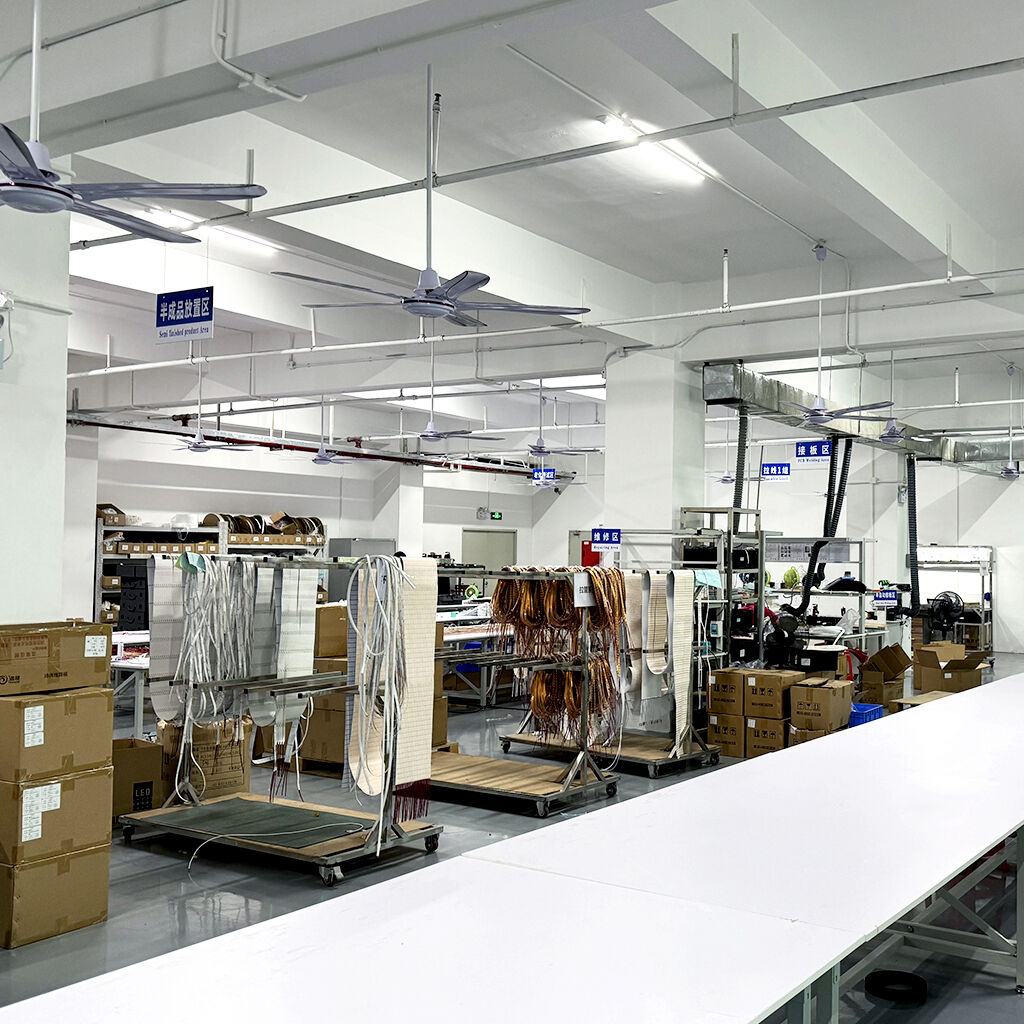
Hangzhou Halo Light Co., Ltd. has evolved into a highly competitive LED strip light manufacturer, specializing in engineering advanced Neon Flex, SMD, and COB LED lighting solutions for global export markets. Headquartered in Hangzhou, a principal hub for high-technology manufacturing in China, the company integrates design, manufacturing, and supply chain operations. Operating from modern facilities equipped with fully automated high-speed SMT assembly lines, reflow soldering arrays, and inline AOI testing systems, Hangzhou Halo Light ensures precision alignment and thermal integrity on every flexible circuit board (PCB).
By leveraging its strategic location in the Yangtze River Delta, the company guarantees access to top-tier semiconductor raw materials, reducing lead times and buffering global partners against supply disruptions.
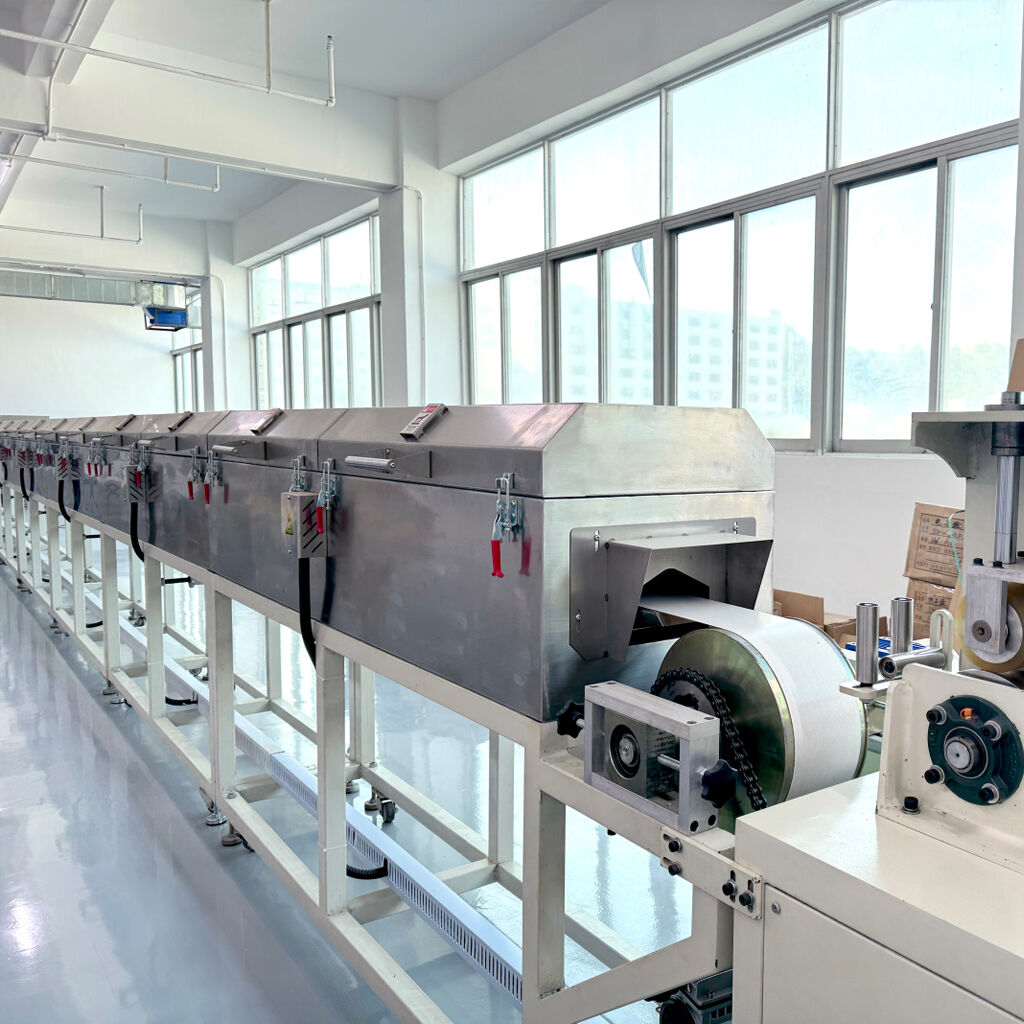
Hangzhou Halo Light's engineering team focuses on continuous product development to improve energy efficiency, thermal performance, and durability. The product range has expanded from basic LED strip lights to high-density COB strips, durable Neon Flex solutions, and intelligent lighting systems suitable for architectural, commercial, and residential projects. Every batch undergoes strict quality control, including thermal stress profiling, IP68 water submersion testing, and integrating sphere analysis for color rendering index (CRI) and luminous flux validation.
Their products are recognized globally for their stability, color consistency, and long service life. Driven by global market trends and sustainability goals, the company continues to refine its manufacturing capabilities to deliver reliable, efficient, and innovative LED lighting solutions worldwide.
Evaluating performance parameters across COB, SMD, and Neon Flex architectures to inform design selection.
| Technology Group | Lumen/Meter Range | Thermal Dissipation | Max Run (Single Feed) | Typical Applications |
|---|---|---|---|---|
| High-Density COB (24V) | 1000 - 1500 lm/m | High efficiency via direct-to-copper dye bonding | 5 - 10 meters | Under-cabinet lighting, task illumination, dot-free shallow profiles |
| High-Voltage SMD (220V/110V) | 700 - 1200 lm/m | Moderate, requires proper airflow and profile heat sinking | 50 - 100 meters | Building outlines, exterior pathways, bridge highlights |
| Smart Addressable Pixel (WS2815) | 400 - 900 lm/m | Requires dual-signal backup paths to manage heat | 5 meters | Entertainment stages, media facades, interactive public art |
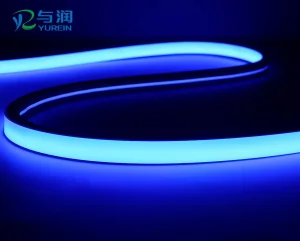
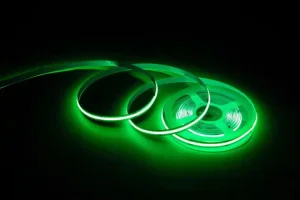
| Silicone Neon Flex (IP67/IP68) | 300 - 700 lm/m | Co-extruded protective silicone manages outdoor temperatures | 10 - 20 meters | Wet locations, marine applications, signage, architectural trim |
Analyzing physical integrations across diverse architectural domains.
For high-rise commercial developments, outdoor systems must withstand extreme temperatures, moisture, and wind shear. Using silicone-molded, dual-extrusion RGBW Neon Flex systems with structural backing ensures reliable operation over many years of weathering.
Boutiques, hotels, and display cabinets require high color fidelity. Installing high-density COB strips with a Color Rendering Index (CRI) above 90 reveals the true textures and colors of merchandise, food, and interior finishes.
Long commercial pathways, utility tunnels, and parking garages benefit from constant-current linear strip lights running on higher-voltage lines. This design maintains uniform illumination over long distances with minimal power injection points.
Addressing technical questions, engineering specifications, and sourcing logistics.
Constant current strip lights feature integrated IC chips that regulate electrical current dynamically across the entire length of the PCB. This design allows for longer single-feed runs (up to 15-20 meters) without experiencing voltage drop or brightness degradation. Constant voltage strips are typically limited to shorter runs (5-10 meters) and are better suited for localized cabinet and display illumination.
Silicone co-extrusion offers superior thermal stability, excellent UV resistance, and flexibility across a wide temperature range. Unlike PVC, which can yellow, harden, and crack under sunlight, silicone maintains its optical clarity and water resistance. This ensures reliable, long-term performance in outdoor applications with IP67 or IP68 ratings.
In addressable protocols like WS2815, a dual-signal design includes a backup data line alongside the primary signal line. If one pixel is damaged or fails, the subsequent pixels continue to receive the data signal and function normally. This design prevents whole-section failures and simplifies system maintenance in large installations.
Import regulations require CE and RoHS certifications for European Union markets to verify safety and environmental compliance. For North America, UL or ETL listings are necessary to satisfy local electrical codes and insurance requirements. Hangzhou Halo Light designs and manufactures products to meet these international regulatory standards.
Industrial-grade, high-voltage, and customized lighting components optimized for international distribution.