Halo Light
Halo Light
Halo Light
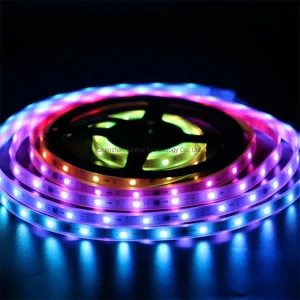
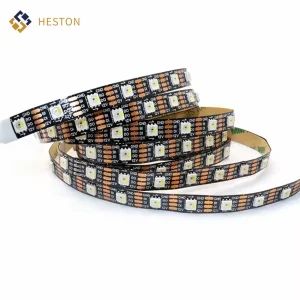
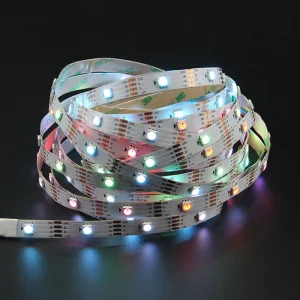
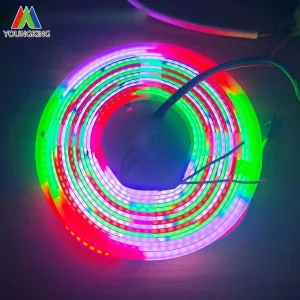
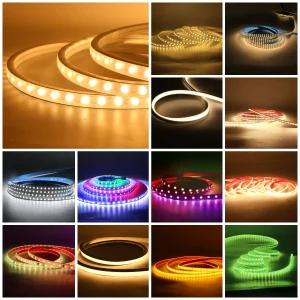
The global lighting market is currently undergoing a massive shift from static illumination to dynamic, programmable ecosystems. Programmable LED light strips, often referred to as "Addressable" or "Pixel" LEDs, are at the forefront of this revolution. Unlike traditional strips where the entire reel changes color at once, programmable strips allow individual control of every single LED (or group of LEDs) via an Integrated Circuit (IC) like WS2811, WS2812B, or WS2815.
Industrially, this has opened doors for complex data visualization, advanced architectural "media facades," and immersive entertainment environments. In Europe and North America, the demand for high-reliability programmable strips is skyrocketing, driven by the smart home boom and the integration of lighting into the Internet of Things (IoT).
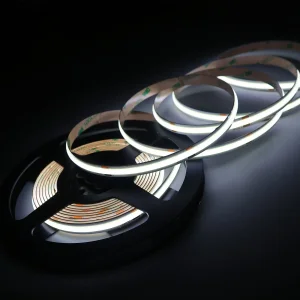
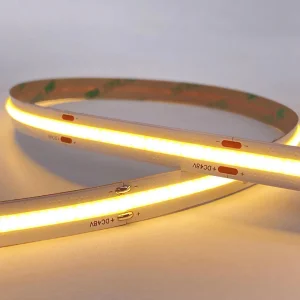
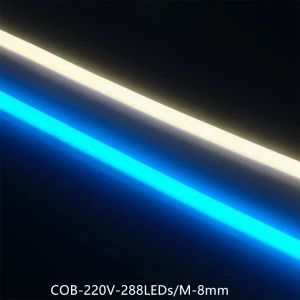
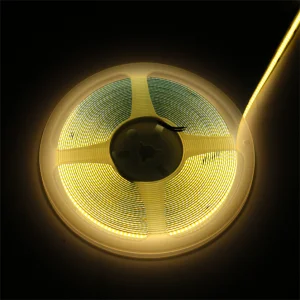
The industry is moving toward "Dot-Free" programmable lighting. By combining Chip-on-Board (COB) tech with addressable ICs, we achieve seamless gradients without visible hotspots.
Newer ICs like the WS2815 feature dual-signal wires. If one pixel fails, the rest of the strip continues to function—a critical requirement for commercial installations.
Integration with AI-driven controllers (Alexa, Google Home, and professional DMX software) allows for real-time music syncing and biological rhythm lighting.
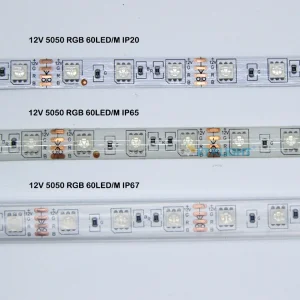
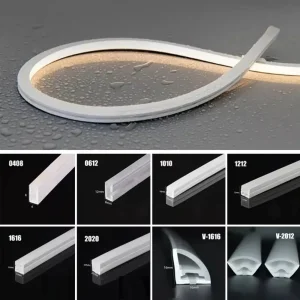
For wholesalers and distributors, the "one-size-fits-all" approach is dead. Global procurement today demands strict adherence to local certifications (UL for USA, CE/RoHS for Europe) and specialized OEM services. Our factory provides tailored PCB widths, custom IC types (SPI/DMX), and specific waterproof ratings (IP20 to IP68) to meet these diverse needs.
High-voltage programmable strips (like the DC220V series) are becoming increasingly popular for large-scale outdoor projects where voltage drop is a significant concern over long distances.
Located in Hangzhou, we sit at the heart of the global electronics hub, ensuring raw material stability and cutting-edge IC sourcing.
Automated SMT production lines allow us to maintain high precision while keeping unit costs competitive for bulk international orders.
Our engineering team can take a concept from a CAD drawing to a finished prototype in less than 14 days, offering true ODM flexibility.
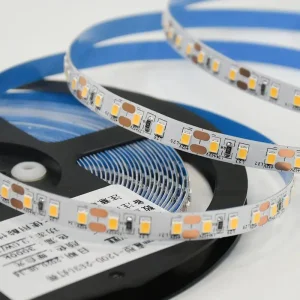
Hangzhou Halo Light Co., Ltd. has steadily evolved into a competitive LED strip light manufacturer, specializing in advanced Neon Flex, SMD, and COB LED lighting solutions for global markets. Since its establishment, the company has focused on combining innovation, quality manufacturing, and customer-oriented service to meet the growing demand for energy-efficient and flexible lighting systems.
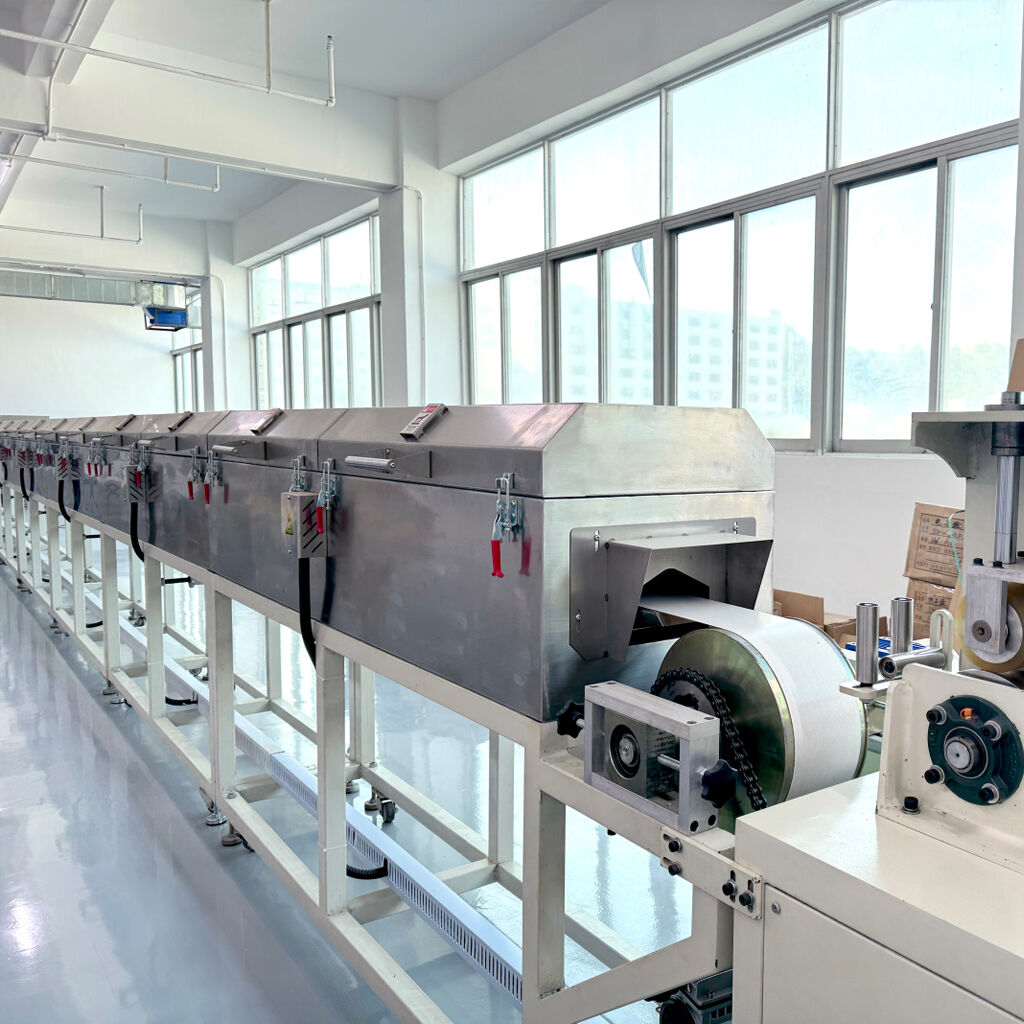
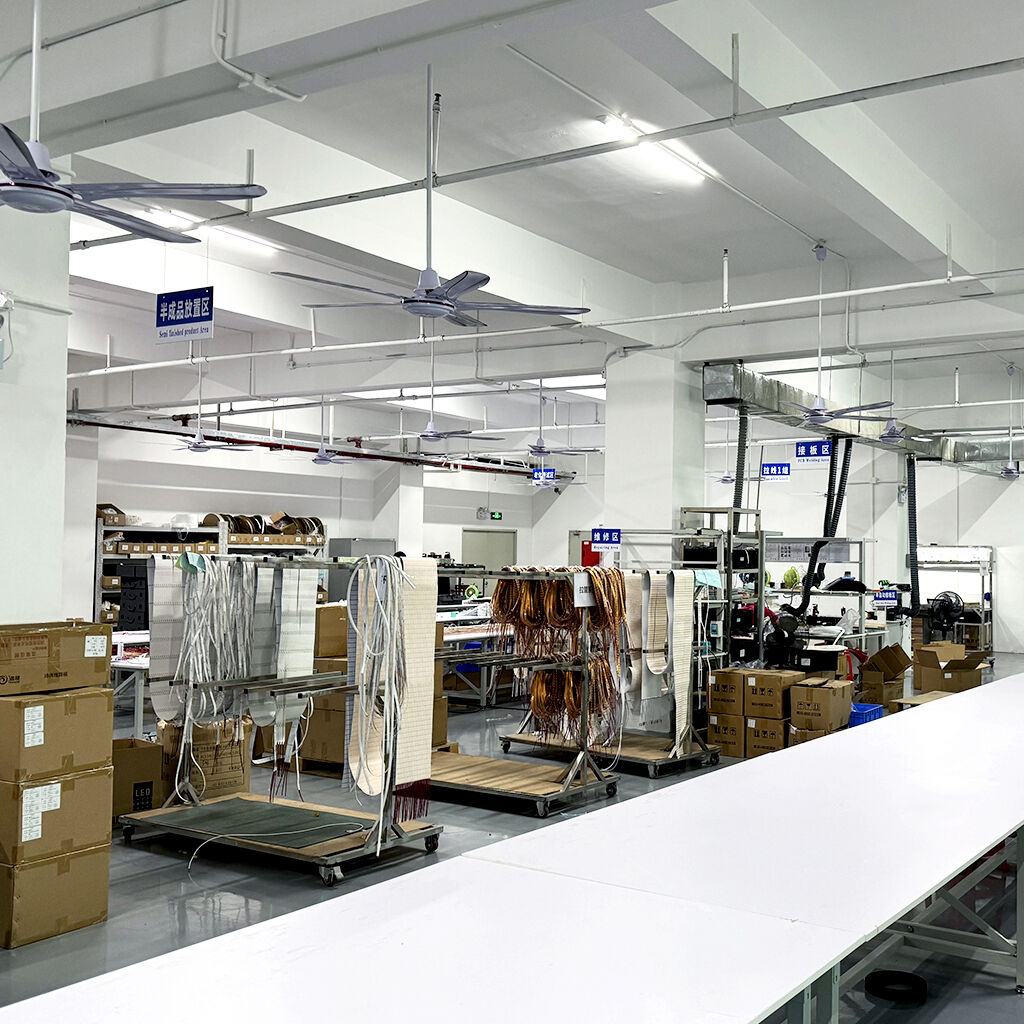
Based in Hangzhou, a key center for technology and manufacturing in China, Halo Light operates a modern production facility equipped with automated assembly lines and strict quality control processes. Over the years, the company has built a professional team of engineers and technicians dedicated to continuous product development and performance optimization.
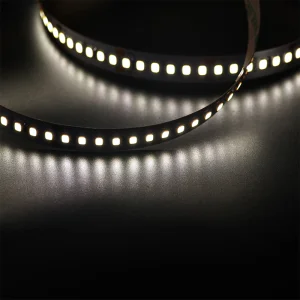
With a strong emphasis on research and development, Hangzhou Halo Light has expanded its product range from standard LED strip lights to high-density COB strips, durable Neon Flex solutions, and intelligent lighting systems suitable for architectural, commercial, and residential applications. Its products are widely recognized for their stability, brightness consistency, and long service life.
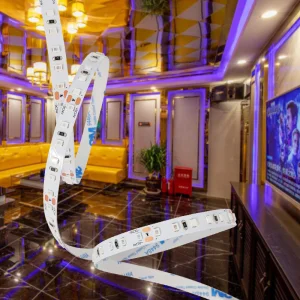
Used in "Media Facades" where the entire building exterior becomes a screen. Addressable strips allow for moving logos, seasonal color changes, and dynamic accents on bridges and skyscrapers.
The "RGB" aesthetic is a pillar of gaming culture. Our programmable strips sync with PC hardware (Razer Chroma, Corsair iCUE) to provide an immersive gaming atmosphere.
Internal ambient lighting and external underglow systems utilize our 12V/24V programmable strips for "chasing" and "rainbow" effects that are highly sought after in the car tuning community.
Concerts and theater productions use pixel-mapped LED strips to create depth and motion on stage, controlled via professional DMX512 or Art-Net protocols.