Halo Light
Halo Light
Halo Light
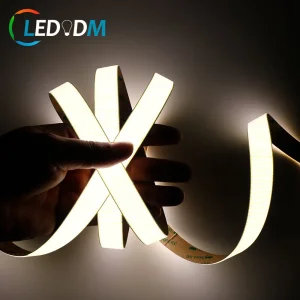
Namibia is witnessing a significant transformation in its architectural and infrastructure landscape. From the upscale commercial developments in Windhoek to luxury eco-tourism lodges nestled along the Namib Desert and coastal Swakopmund, modern architectural demands are shifting toward linear, dot-free lighting designs. Traditional low-density LED strips fail to deliver the seamless luminescence required by contemporary designs, resulting in unsightly hot spots and insufficient light output.
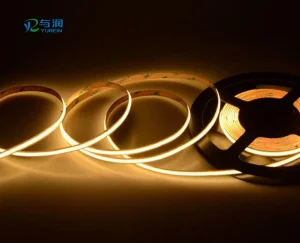
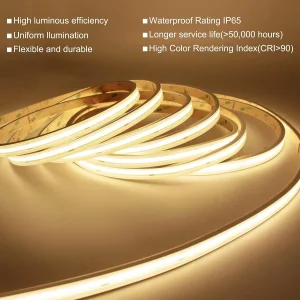
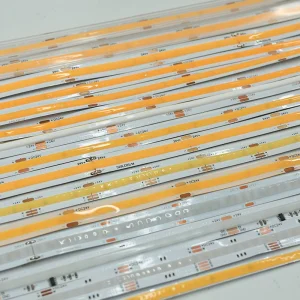
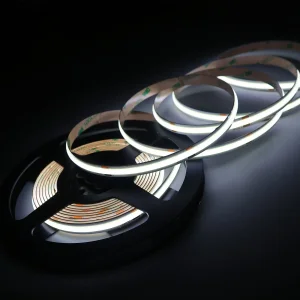
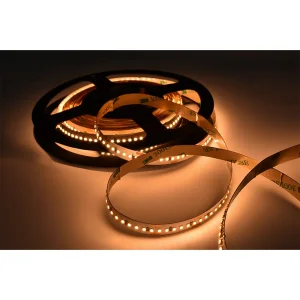
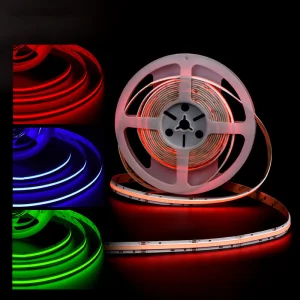
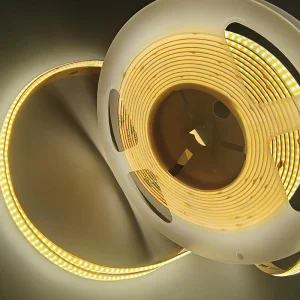
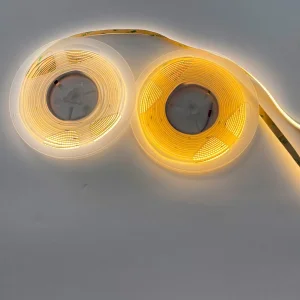
High-Density LED Strip Lights, especially Chip-on-Board (COB) variations, offer an unparalleled solution by packing up to 896 LEDs or more per meter. This density ensures an uninterrupted ribbon of light even when installed in shallow aluminum profiles. Furthermore, Namibia's push toward eco-tourism and sustainable building practices makes our low-power, high-lumen 12V/24V DC systems the perfect partner for solar micro-grid installations across remote safari camps.
With an abundance of solar radiation and increasing investments in green building certifications, developers in Windhoek, Walvis Bay, and Lüderitz prioritize luminaires that offer superior efficacy (lm/W), prolonged operational life, and strict color consistency (SDCM < 3).
As a leading exporter, Hangzhou Halo Light Co., Ltd. recognizes that Namibia's climate presents distinct engineering challenges. Ambient desert temperatures can exceed 40°C during summer days and plummet near freezing at night, while coastal areas experience high salinity and humidity. Standard light strips degrade quickly under these conditions due to thermal fatigue and adhesive failure.
To combat this, our high-density strips are engineered using a 2oz or 3oz rolled annealed copper PCB. The increased copper weight accelerates heat dissipation away from the LED chips, maintaining junction temperatures well below critical thresholds even when run for continuous 12-hour cycles. For outdoor and coastal installations, our silicon co-extrusion technology provides IP65 and IP67 protection barriers that resist UV degradation, sand abrasion, and saltwater corrosion, preventing yellowing and maintaining color temperature accuracy over a 50,000-hour lifespan.
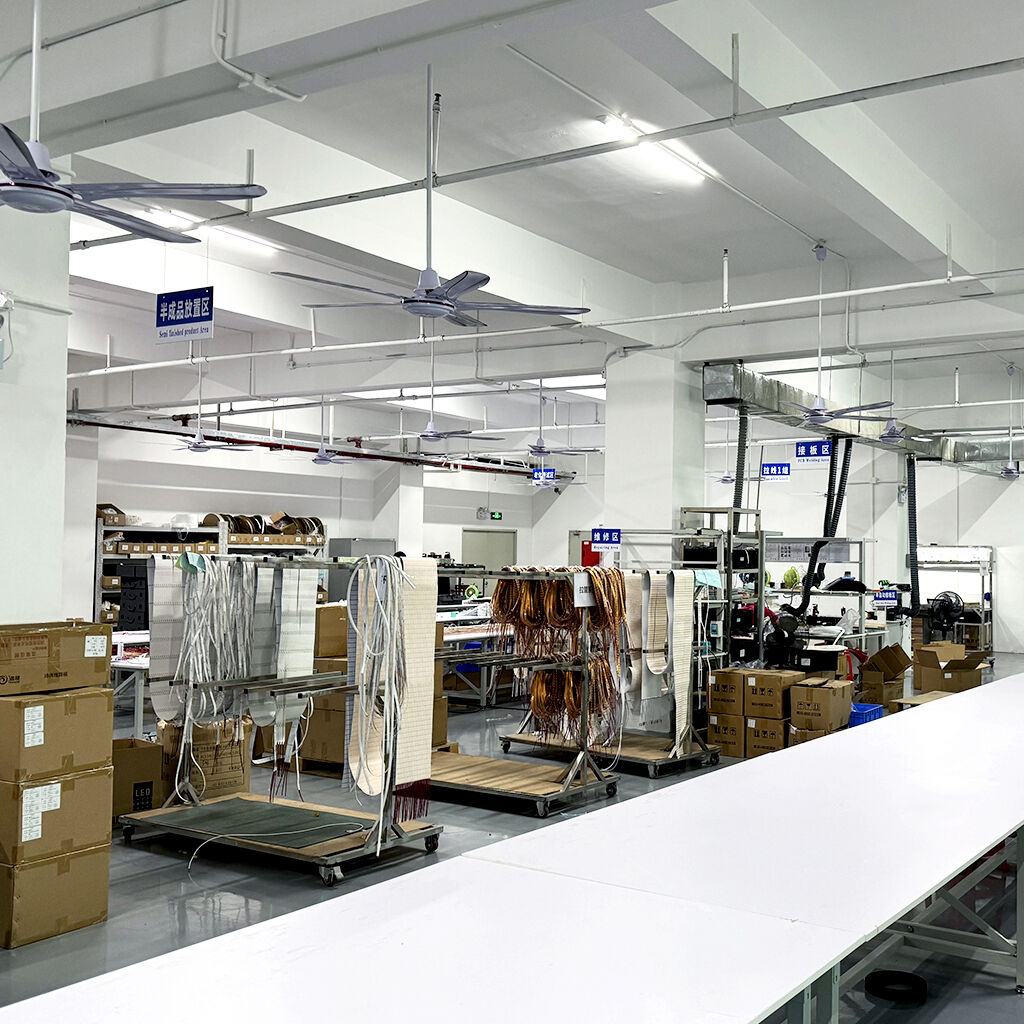
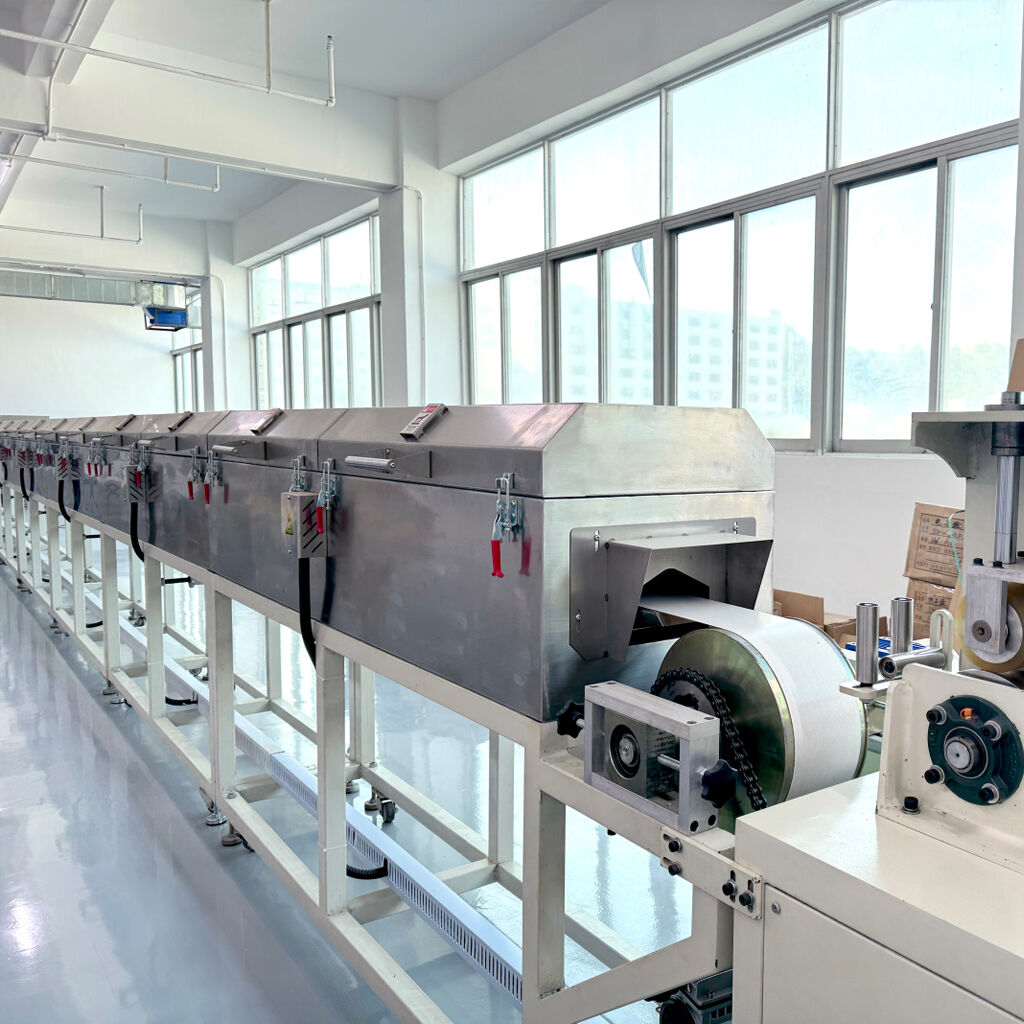
High-precision pick-and-place machinery ensures consistent resistor placement and solder joint reliability, minimizing field failure rates during ocean transit and installation.
Our dot-free COB technology employs advanced flip-chip packaging and high-grade phosphor gel coverages to guarantee a smooth, continuous light distribution without spot glare.
From tailor-made strip lengths and specific color rendering indices (CRI >90 / R9 >50) to customized packaging and wiring connectors, we cater directly to Namibian project specifications.
| LED Technology | LED Density (LED/m) | PCB Width (mm) | Power Consumption | Luminous Efficacy | Best Suited Application in Namibia |
|---|---|---|---|---|---|
| Ultra-Density COB | 480 - 896 LEDs/m | 8mm / 10mm | 10W - 15W/m | Up to 110 lm/W | Luxury Lodge Interior Cove, Flush Wall Lighting, Cabinetry |
| Wide-PCB COB | 3072 LEDs/m | 20mm | 30W/m | Up to 120 lm/W | High-Ceiling Commercial Hubs, Windhoek Retail Showrooms |
| SMD 2216 Ribbon | 240 LEDs/m | 10mm | 14W - 18W/m | Up to 105 lm/W | Detailed Profile Accents, Hotel Headboards, Task Lighting |
| IP65/67 Protected COB | 320 - 480 LEDs/m | 10mm (with housing) | 12W/m | Up to 95 lm/W | Coastal Walkways, Walvis Bay Port Offices, Exterior Landscape |
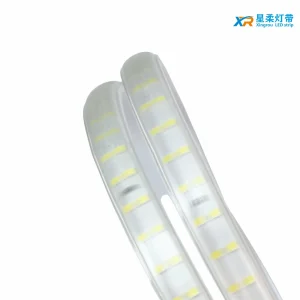
Request technical datasheets, photometrics, LM-80 test reports, or custom quotations for your Namibian construction and distribution projects.
Send Inquiry Now