Halo Light
Halo Light
Halo Light
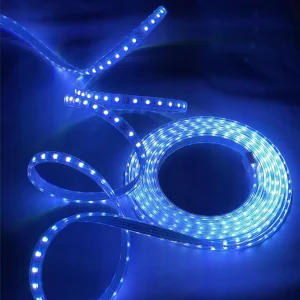
Engineered to bypass electrical line-loss across extended distances. Perfect for large-scale retail, commercial façades, and coastal public spaces in Western Australia.
Western Australia, with Perth as its commercial epicenter, presents one of the most demanding environmental and electrical landscapes in the Southern Hemisphere. Characterized by long spatial layouts, intense solar radiation, and highly corrosive coastal environments, physical infrastructure in Western Australia demands materials engineered beyond standard specifications. Traditional low-voltage (12V/24V) LED systems, while viable for minor residential fit-outs, hit immediate engineering limits when deployed across Perth’s expansive commercial strips, industrial depots, and high-rise facades.
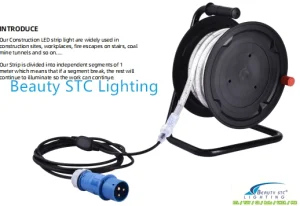
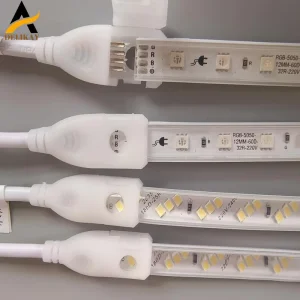
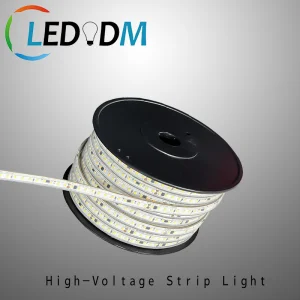
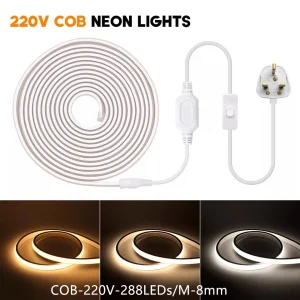
For large-scale architectural projects, such as those at Elizabeth Quay or industrial operations in Kwinana, voltage drop represents a severe challenge. Direct-connection 220V–240V AC High Voltage LED strip lights eliminate the need for step-down transformers every 5 to 10 meters, allowing continuous runs up to 50 or 100 meters on a single power feed. This dramatic reduction in copper wiring, power supplies, and localized failure points addresses the high labor costs of the Western Australian construction sector directly.
Globally, industrial builders are moving away from decentralized driver configurations towards direct AC line voltage systems. By eliminating external drivers, engineering firms bypass the component with the shortest mean time between failures (MTBF). In WA's resource-rich economy, where downtime translates to massive financial loss, driverless high-voltage linear lighting provides a robust solution, operating continuously under wide temperature variations.
Perth experiences an average of 138 clear days annually, with extreme UV exposure indexes exceeding 11+ in summer. High Voltage LED enclosures must utilize advanced, non-yellowing PVC or high-grade silicone extrusions to resist rapid UV degradation, preventing cracking and moisture ingress from the Indian Ocean's saline winds.
A detailed comparison highlighting why 220V-240V AC systems are preferred for large Western Australian infrastructure developments.
| Engineering Criteria | Low Voltage (24V DC Systems) | High Voltage (220V-240V AC Systems) | Perth Market Significance |
|---|---|---|---|
| Max Continuous Run | 5 to 10 Meters (Due to voltage drop) | Up to 50 - 100 Meters | Crucial for large-scale bridge, perimeter, and high-rise pathway runs. |
| Driver Requirements | High-amperage external power supplies needed | Direct connection (Driverless/Mini rectifier) | Reduces installation complexity, labor costs, and failure rates. |
| Thermal Management | Localized heat at connections | Even heat dissipation along the run | Prevents premature LED burnouts during hot Perth summer days (40°C+). |
| Installation Cost | High (Requires thick copper cabling, multiple drivers) | Low (Direct mains hookup, simple mounting) | Addresses high electrical subcontractor rates in WA. |
| UV & Saline Resistance | Variable depending on casing quality | Double-extruded premium silicone / PVC standard | Protects against coastal corrosion in places like Fremantle and Rockingham. |
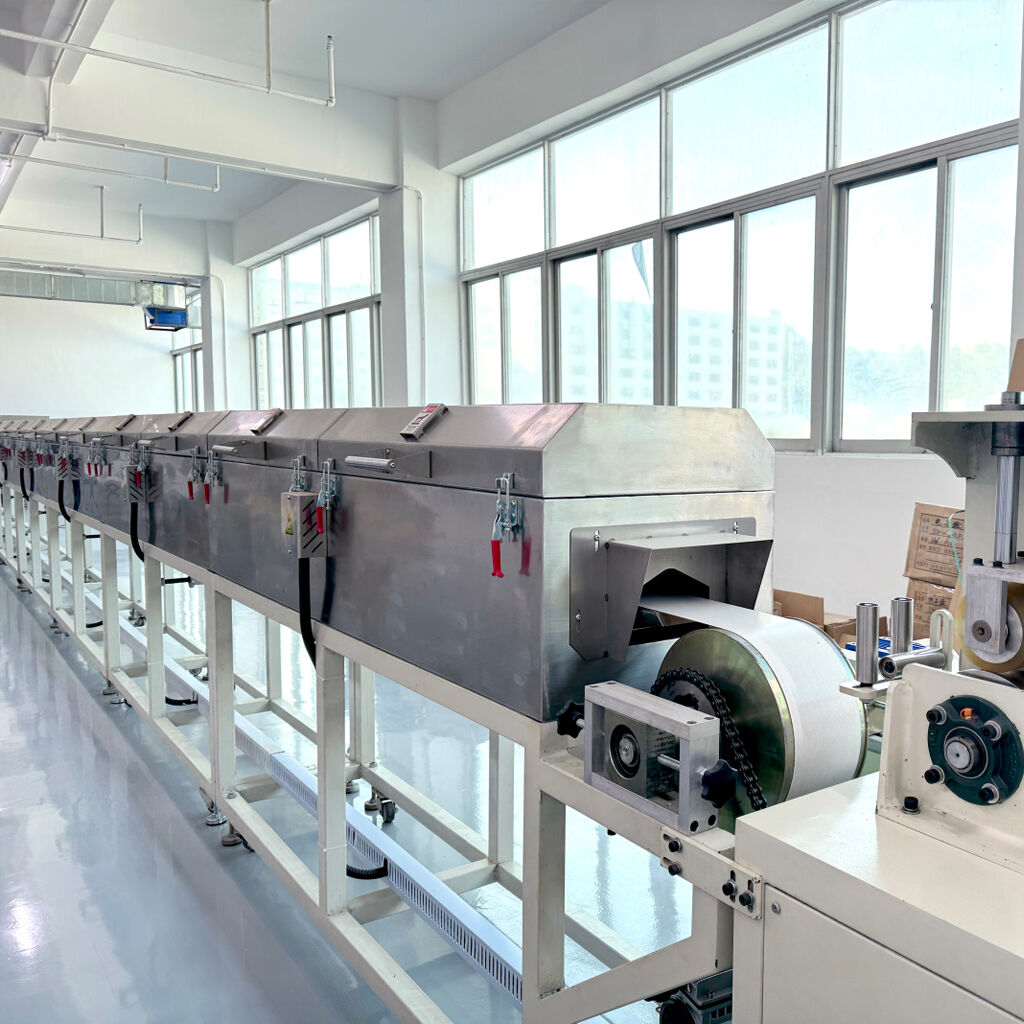
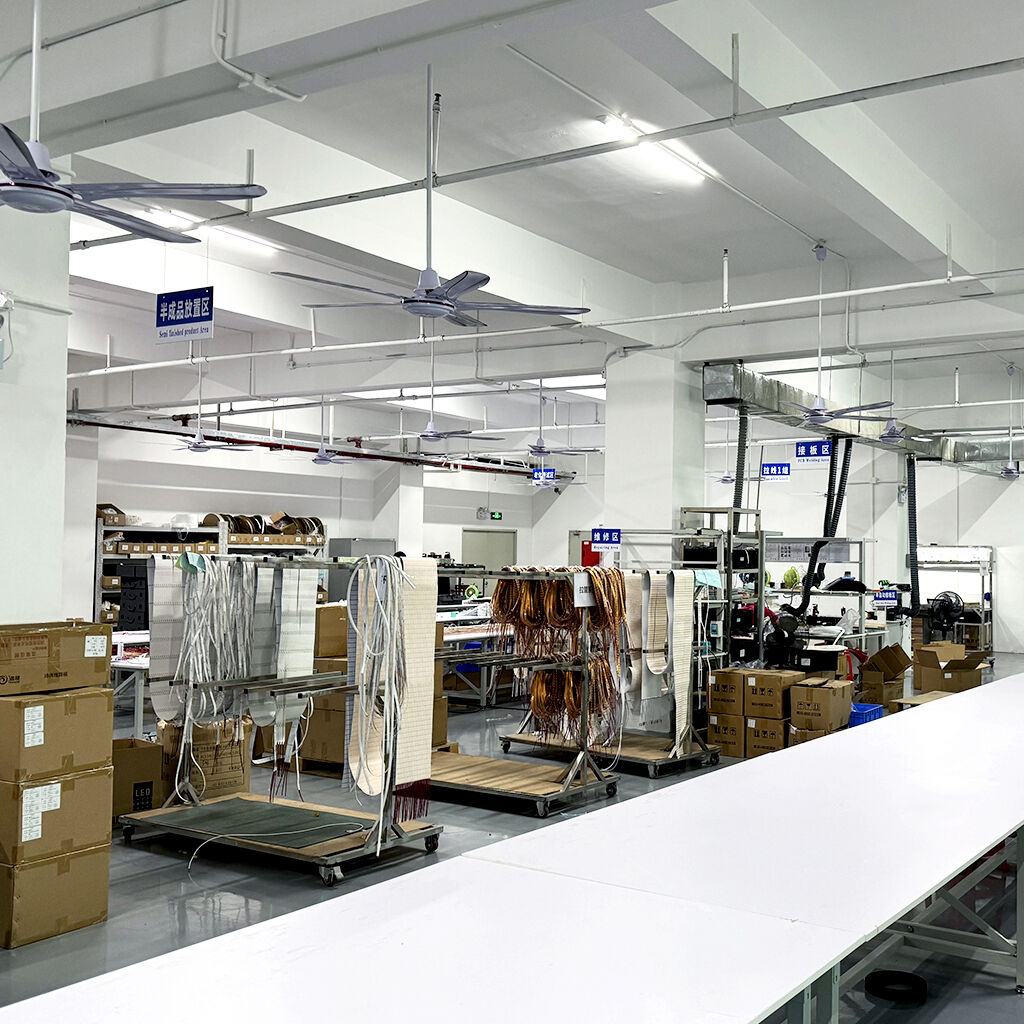
Hangzhou Halo Light Co., Ltd. has steadily evolved into a competitive LED strip light manufacturer, specializing in advanced Neon Flex, SMD, and COB LED lighting solutions for global markets. Since its establishment, the company has focused on combining innovation, quality manufacturing, and customer-oriented service to meet the growing demand for energy-efficient and flexible lighting systems.
Based in Hangzhou, a key center for technology and manufacturing in China, Halo Light operates a modern production facility equipped with automated assembly lines and strict quality control processes. Over the years, the company has built a professional team of engineers and technicians dedicated to continuous product development and performance optimization.
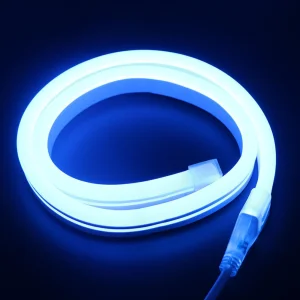
With a strong emphasis on research and development, Hangzhou Halo Light has expanded its product range from standard LED strip lights to high-density COB strips, durable Neon Flex solutions, and intelligent lighting systems suitable for architectural, commercial, and residential applications. Its products are widely recognized for their stability, brightness consistency, and long service life.
Driven by global market trends and sustainable development goals, the company continues to enhance its manufacturing capabilities and expand its international presence, aiming to deliver reliable, efficient, and innovative LED lighting solutions worldwide.
Ensuring full conformity with local regulatory environments is critical. Our products are engineered to align with Australian electrical wiring guidelines.
Our high-voltage LED strip lights are manufactured to meet SAA approvals and display the Regulatory Compliance Mark (RCM). This ensures that they meet all safety requirements mandated by the Electrical Equipment Safety System (EESS) in Western Australia.
Designed in strict alignment with AS/NZS 3000 (Wiring Rules), our strip lights support proper grounding, residual current device (RCD) integration, and safe isolation. This facilitates straightforward approval by local WA commercial electrical inspectors.
Unlike cheap, unbranded direct imports that risk insurance claims, our products feature built-in inline overload fuses and double-insulated internal wiring, protecting property assets against electrical surges.
Our high-voltage LED strip lights are deployed across several distinct sectors within Western Australia:
From the Pilbara to the Goldfields-Esperance region, mining accommodation camps (FIFO camps) and processing plants require high-visibility, low-maintenance pathway and perimeter lighting. High voltage LED strip lights provide continuous illumination around transport depots, emergency routes, and outdoor gantries without local voltage drops or transformer failures in desert temperatures.
Fremantle, Scarborough, and Mandurah feature highly corrosive salt-spray environments. Our IP67 and IP68 waterproof ratings, coupled with salt-mist resistant silicone sleeves, prevent yellowing, degradation, and water ingress. This makes them ideal for marine boardwalks, jetty walkways, and beachfront hospitality venues.
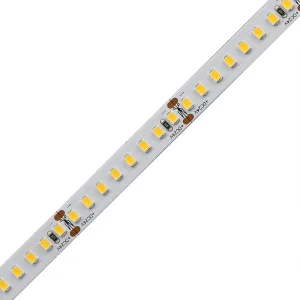
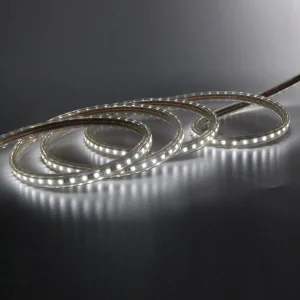
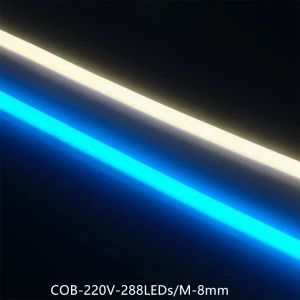
Perth’s skyline requires clean, continuous lines of light to accentuate modern architectural forms. High-voltage COB strip lights provide dot-free linear output suitable for structural crowns, sky-gardens, and high-rise facades, simplifying electrical wiring and control integration over several vertical storeys.
Developing the next generation of linear lighting systems to support carbon-neutral construction goals.
Widespread implementation of co-extruded silicone to replace PVC, offering superior UV stability and thermal dissipation.
Standardizing direct-to-strip AC DALI-2 dimming modules to interface with commercial building management systems (BMS).
Upgrading internal LED chip configurations to achieve up to 180 lumens per watt, reducing operational carbon footprints.
Introducing completely recyclable encapsulation plastics and clean copper recovery pathways for green building certification.
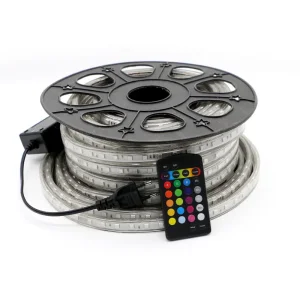
Explore our full line of driverless high-voltage LED strip lights, connection accessories, and high-density COB configurations.
Detailed answers to technical questions about deploying high-voltage linear systems in Australia.
Need SAA & RCM compliant high-voltage linear lighting? Get in touch with our engineering team for specifications, bulk pricing, and custom project design support.
Send Inquiry Now