Halo Light
Halo Light
Halo Light
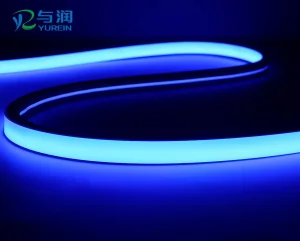
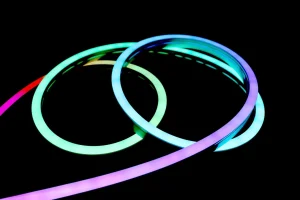
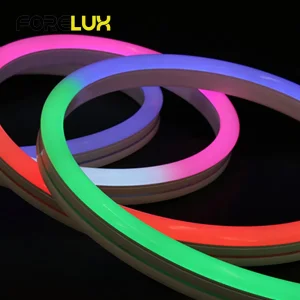
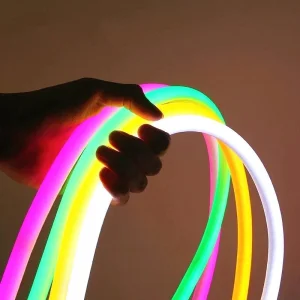
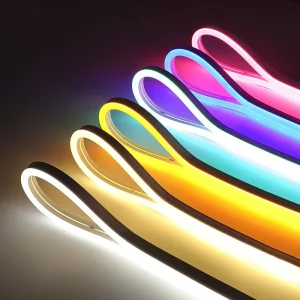
The Netherlands serves as a primary gateway to Europe, with the Port of Rotterdam and Schiphol Airport facilitating a massive influx of lighting technology. Currently, the Dutch market is undergoing a rapid transition toward circular economy models. In the lighting sector, this means a shift away from traditional glass neon—which is fragile and contains harmful gases—towards Silicone LED Neon Flex. Cities like Amsterdam and Utrecht are prioritizing sustainable building materials, making high-efficiency LED solutions the preferred choice for both government-led infrastructure and private commercial developments.
The Dutch lighting market is currently dominated by two major trends: Sustainability and Smart Integration. As energy prices fluctuate, the demand for DC24V and DC48V low-voltage systems has skyrocketed. Furthermore, the integration of DALI and DMX512 controls with silicone neon flex is becoming standard for the "Smart City" initiatives in Eindhoven. We are seeing a move toward "Human-Centric Lighting" (HCL) where silicone flex is used to create soft, diffused light that mimics natural patterns, enhancing well-being in Dutch office spaces and residential complexes.
In the historic districts of Amsterdam, architects use 4mm and 6mm ultra-thin silicone neon to outline 17th-century canal houses. This technology allows for the preservation of aesthetic heritage while utilizing 21st-century energy efficiency. Unlike PVC, food-grade silicone used in our products is resistant to the salt-heavy air and humid climate of the Dutch coast, preventing yellowing and cracking—a common issue in North Sea environments.
While often used for decoration, Silicone LED Neon Flex is finding its way into the Dutch horticultural sector (Westland). It is utilized for functional signage and path-finding in massive glasshouse complexes. The IP67 and IP68 waterproof ratings ensure that these lights withstand high humidity and the intensive cleaning cycles required in modern agricultural technology.
When exporting to the Netherlands, meeting CE, RoHS, and UL certifications is not just a requirement but a baseline for trust. Our Silicone LED Neon Flex is engineered to handle the unique challenges of the Dutch climate. The silicone extrusion process provides a thermal stability that PVC cannot match, operating effectively from -50°C to 150°C. This is crucial for outdoor installations on Dutch wind farms or coastal bridges where temperature fluctuations and wind stress are constant.
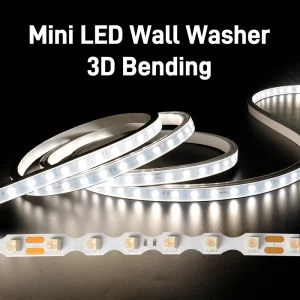
Moreover, the color consistency (SDCM < 3) of our strips ensures that large-scale projects, such as the lighting of the Erasmus Bridge or retail facades in De Bijenkorf, maintain a uniform glow without visible "dark spots." Our use of high-density 480LEDs/m COB technology provides a seamless line of light, which is highly sought after by Dutch interior designers for high-end hospitality projects in the Randstad area.
The "Plug-and-Play" nature of our detachable silicone strips appeals to the Dutch preference for efficiency and DIY innovation. Whether it is for a pop-up store in the Nine Streets or a permanent installation in a Philips-designed office building, our flexible solutions reduce installation time by up to 40% compared to traditional neon tubes.
Hangzhou Halo Light Co., Ltd. has steadily evolved into a competitive LED strip light manufacturer, specializing in advanced Neon Flex, SMD, and COB LED lighting solutions for global markets. Since its establishment, the company has focused on combining innovation, quality manufacturing, and customer-oriented service to meet the growing demand for energy-efficient and flexible lighting systems.
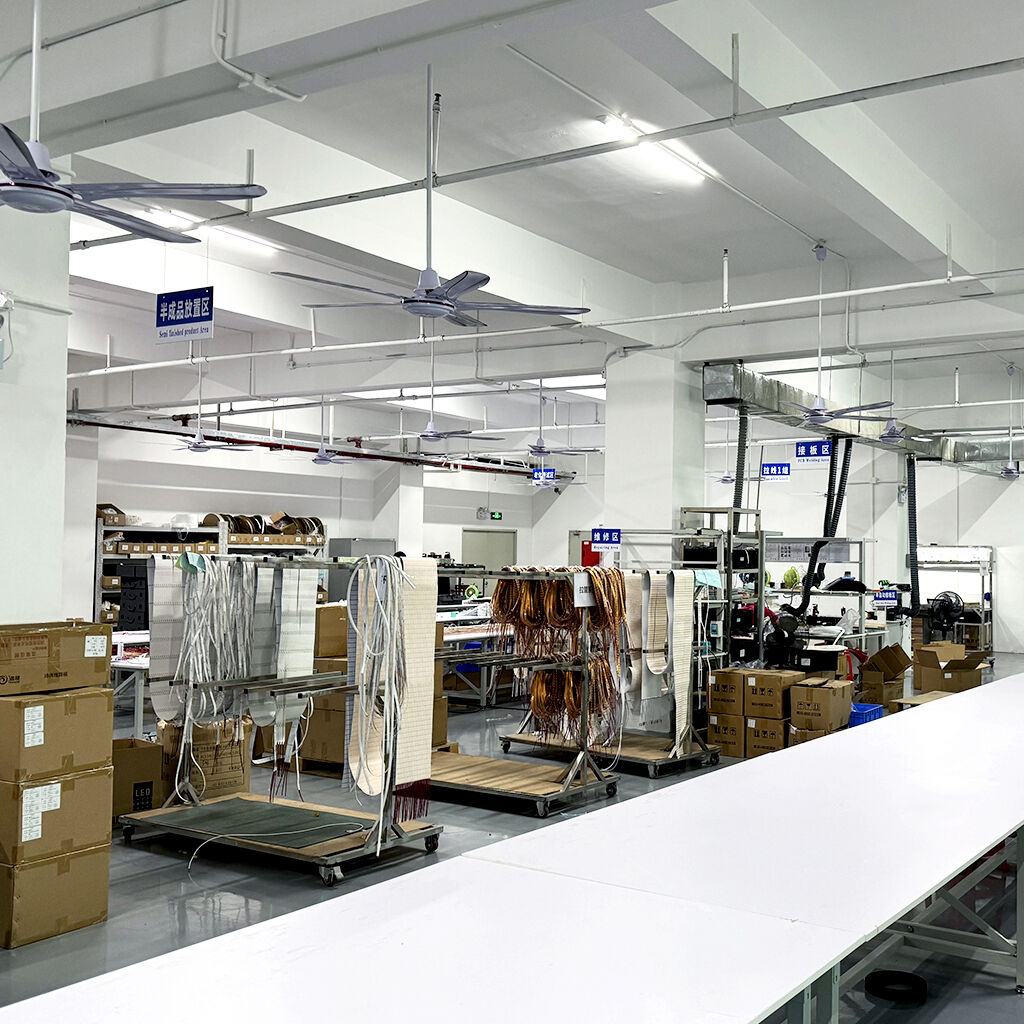
Based in Hangzhou, a key center for technology and manufacturing in China, Halo Light operates a modern production facility equipped with automated assembly lines and strict quality control processes. Over the years, the company has built a professional team of engineers and technicians dedicated to continuous product development and performance optimization.
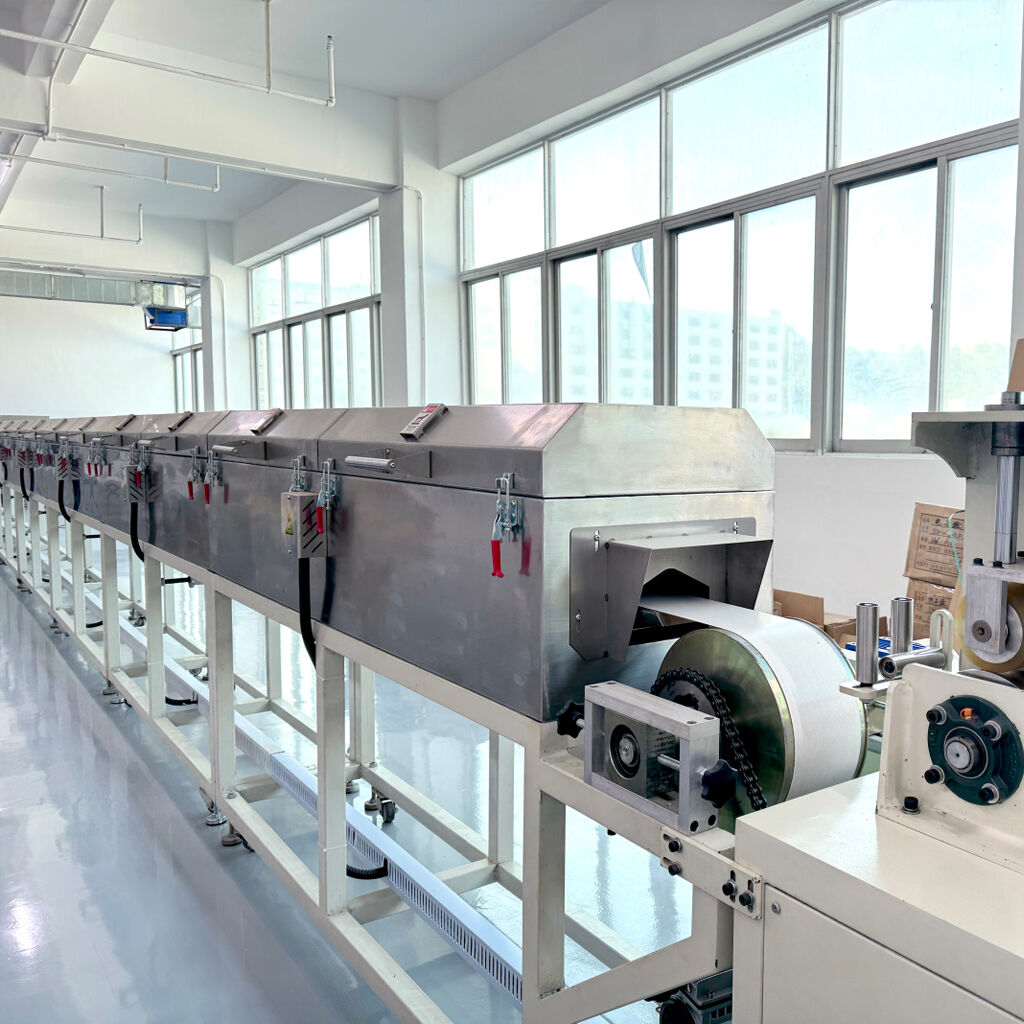
With a strong emphasis on research and development, Hangzhou Halo Light has expanded its product range from standard LED strip lights to high-density COB strips, durable Neon Flex solutions, and intelligent lighting systems suitable for architectural, commercial, and residential applications. Its products are widely recognized for their stability, brightness consistency, and long service life.
Driven by global market trends and sustainable development goals, the company continues to enhance its manufacturing capabilities and expand its international presence, aiming to deliver reliable, efficient, and innovative LED lighting solutions worldwide.
The Netherlands has a long-standing history with neon lighting. From the iconic red lights of Amsterdam's De Wallen to the futuristic skylines of Rotterdam, neon has always been part of the Dutch identity. However, traditional neon is energy-intensive and maintenance-heavy. The modern Dutch consumer, focused on the Energielabel system, demands better. This is where Silicone LED Neon Flex stepped in. As an exporter specializing in the Netherlands, we have seen a 300% increase in demand for silicone-based materials over the last five years.
Exporters often overlook the harshness of the Dutch weather. Between the salty sea air and the relentless rain, standard PVC LED strips quickly turn brittle and yellow. Silicone is chemically inert and UV-resistant. Our Silicone LED Neon Lights utilize a unique encapsulation technology that ensures the inner LED components are completely sealed from moisture. This makes them ideal for the bridge lighting projects in Zeeland or the urban art installations in Eindhoven's Glow Festival.
Being an exporter to the Netherlands requires a sophisticated understanding of European logistics. We partner with top-tier carriers to ensure our products reach the Port of Rotterdam or our Dutch distributors with minimal lead times. We understand the importance of VAT compliance and EORI numbers in the Dutch trade system, providing all necessary documentation to ensure a smooth customs process for our Dutch B2B partners.
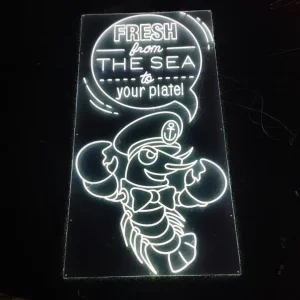
In Dutch interior design, "Gezelligheid" (coziness) is paramount. Designers are moving away from harsh overhead lighting to localized, warm ambient light. Our ultra-thin 4mm and 6mm silicone neon flex allow for subtle cove lighting in canal-side apartments or the creation of bespoke neon art that reflects the occupant's personality. The ability to cut these strips every few centimeters provides the ultimate flexibility for custom furniture integrated lighting, a trend that is booming in the Dutch furniture industry.
Beyond the aesthetic, the industrial sector in the Netherlands utilizes silicone neon flex for safety and guidance. In the vast automated warehouses of Venlo, LED neon flex is used to mark safety paths and docking bays. The high vibration resistance of our silicone housing makes it perfect for heavy-machinery environments, where traditional lighting often fails due to structural stress.