Halo Light
Halo Light
Halo Light
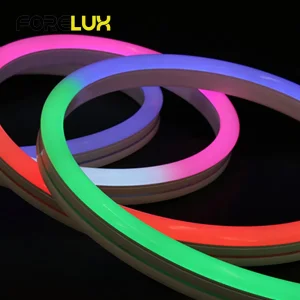
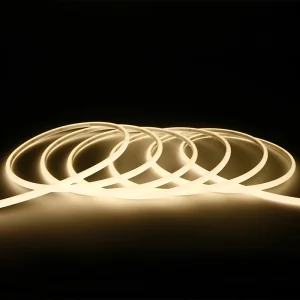
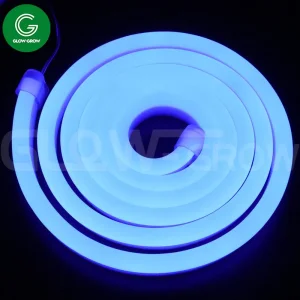
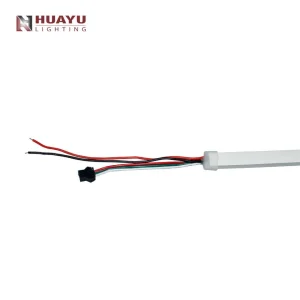
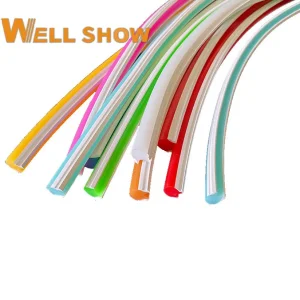
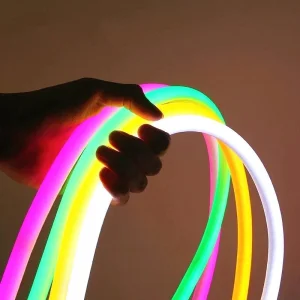
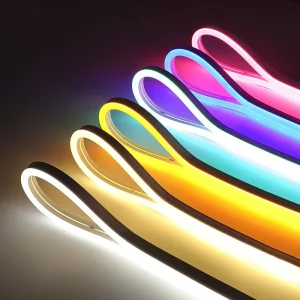
Uruguay has emerged as a global leader in renewable energy, with over 98% of its electricity grid powered by green sources like wind, solar, and biomass. This environmental commitment has catalyzed a massive shift in the local construction and industrial sectors. As architects in Montevideo and Punta del Este seek to align with the national "Green Uruguay" initiative, the demand for high-efficiency lighting like Silicone LED Neon Flex has reached an all-time high.
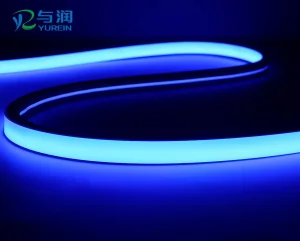
Unlike traditional PVC neon, Silicone LED Neon Flex offers unparalleled resistance to the high UV indices found in South America's coastal regions. The manufacturing standard for the Uruguayan market focuses on durability, thermal stability, and seamless integration into "Smart City" infrastructures. Whether it's for the renovation of historic buildings in Colonia del Sacramento or the modern high-rises of the World Trade Center Montevideo, silicone-based lighting is the preferred choice for its salt-spray resistance and flexibility.
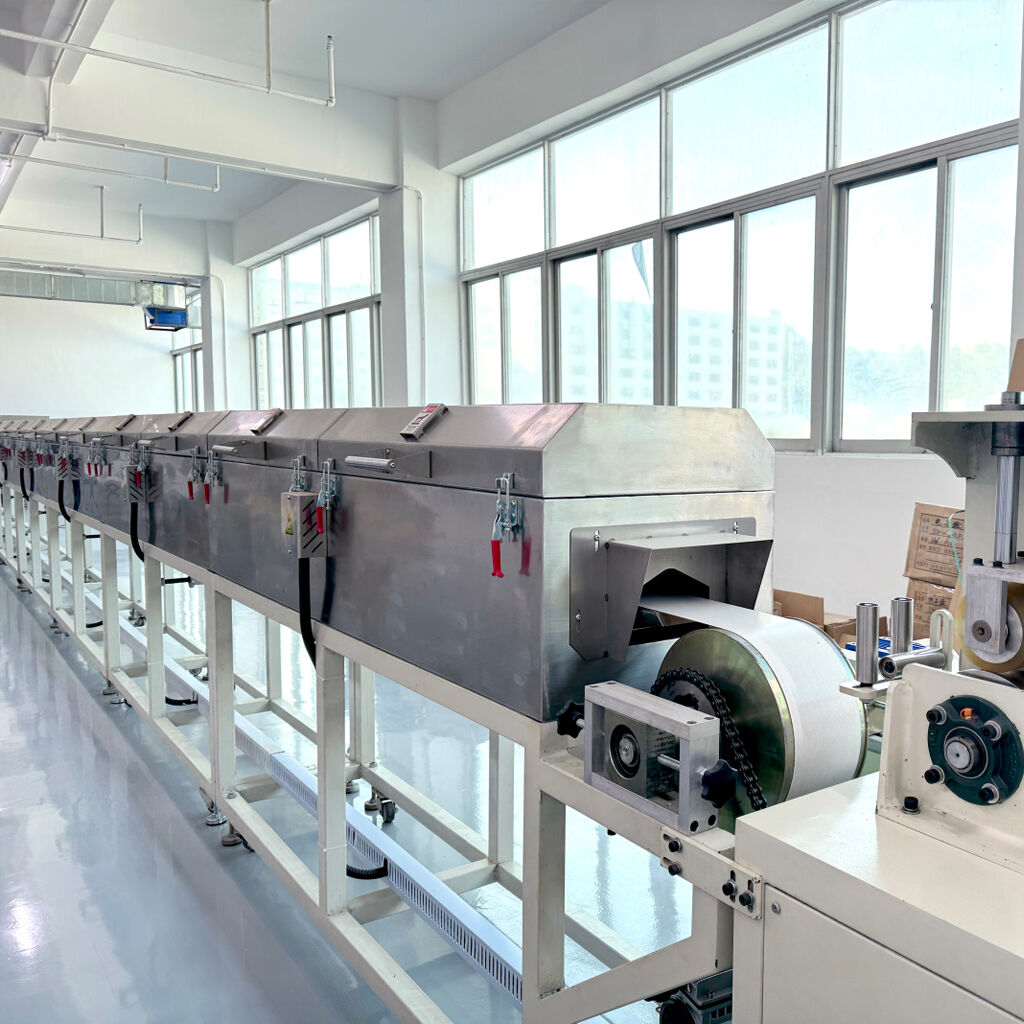
Hangzhou Halo Light Co., Ltd. has steadily evolved into a competitive LED strip light manufacturer, specializing in advanced Neon Flex, SMD, and COB LED lighting solutions for global markets, including the burgeoning Uruguay sector. Our mission is to bridge the gap between high-end Chinese manufacturing technology and the unique environmental needs of the Southern Cone.
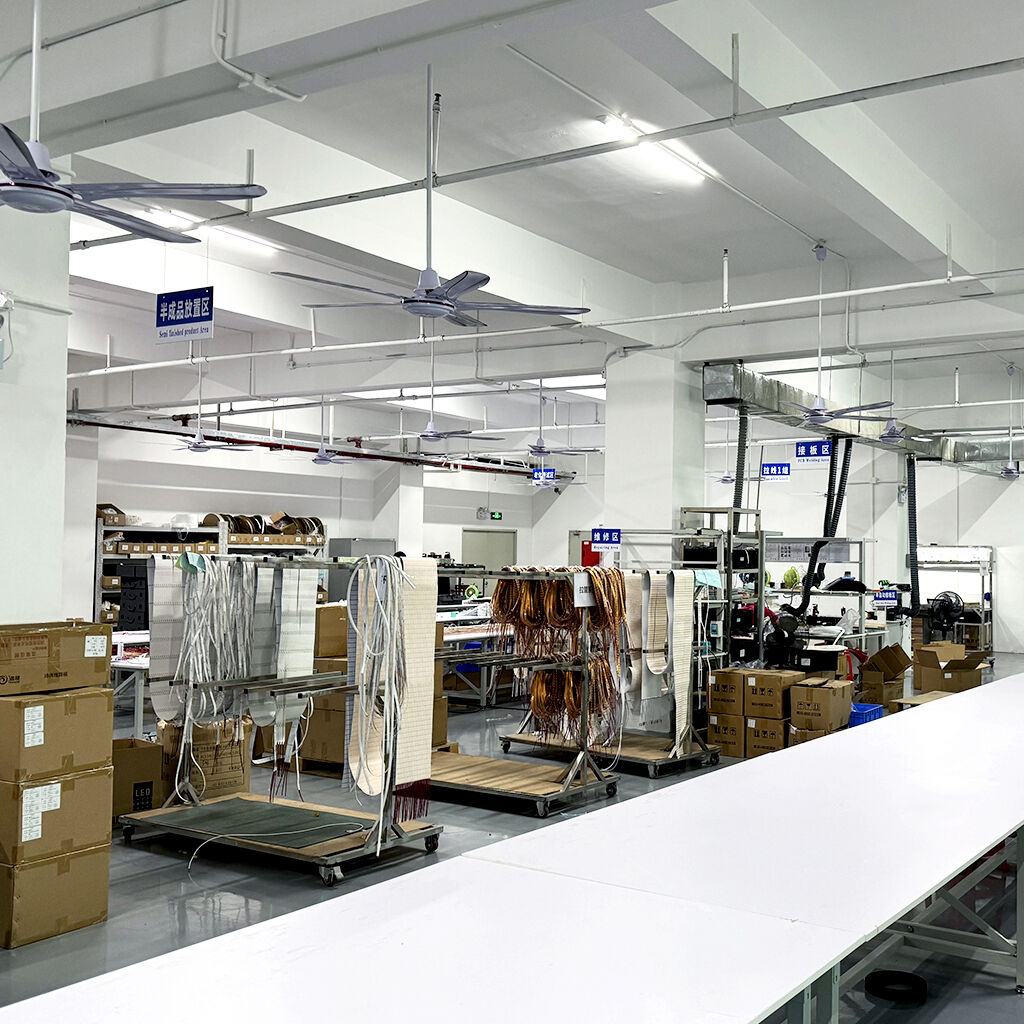
Based in Hangzhou, a key center for technology and manufacturing, Halo Light operates a modern production facility equipped with automated assembly lines. Our silicone extrusion processes are specifically tuned to produce UV-resistant and saline-resistant products, making them ideal for Uruguay's extensive coastline and humid interior climates.
The lighting industry in Uruguay is currently witnessing three major trends: Digital Control (DMX/Pixel), Silicone Purity, and Miniaturization. As the local tourism sector evolves, hotels and resorts are demanding more interactive lighting experiences.
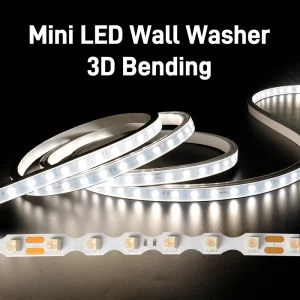
While local Uruguay distributors exist, sourcing directly from a manufacturer like Hangzhou Halo Light Co., Ltd. ensures technical customization. We provide the "S-Type" bending capabilities and specific Kelvin temperatures required for the distinct "Uruguayan Warmth" in residential architecture.
In regions like Canelones and Carmelo, silicone neon flex is used to provide ambient, heat-free lighting in high-end wineries (Bodegas), protecting the wine quality while highlighting architectural curves.
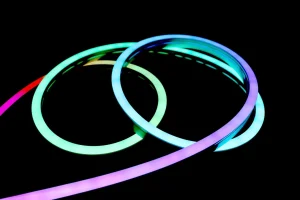
Luxury hotels in Punta del Este utilize our RGBW pixel strips to create dynamic light shows that withstand the harsh Atlantic winds and salt spray.
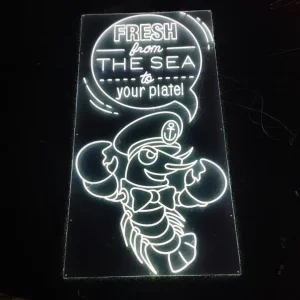
Montevideo's Ciudad Vieja uses ultra-thin neon flex to replicate vintage glass neon signs, preserving the aesthetic while slashing energy consumption by 80%.
| Feature | Silicone Neon Flex (Halo Light) | Traditional PVC Neon |
|---|---|---|
| UV Resistance | Excellent (Non-yellowing for 5+ years) | Poor (Brittle after 12 months) |
| Environmental Impact | Food-grade, Non-toxic, Recyclable | Contains Chlorine, Non-recyclable |
| Flexibility | High flexibility even at 0°C | Stiffens in winter months |
| Heat Dissipation | Superior (Extends LED life) | Insulating (Traps heat) |
With a strong emphasis on research and development, Hangzhou Halo Light has expanded its product range from standard LED strip lights to high-density COB strips, durable Neon Flex solutions, and intelligent lighting systems suitable for architectural, commercial, and residential applications in Uruguay. Its products are widely recognized for their stability, brightness consistency, and long service life.
Driven by global market trends and sustainable development goals, the company continues to enhance its manufacturing capabilities and expand its international presence, aiming to deliver reliable, efficient, and innovative LED lighting solutions to Uruguay and the rest of the Mercosur region.