Halo Light
Halo Light
Halo Light
High-efficiency, IP-rated flexible lighting engineered for direct architectural and commercial integration across Equatorial Guinea.
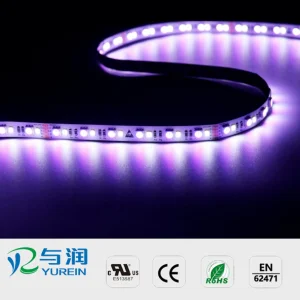
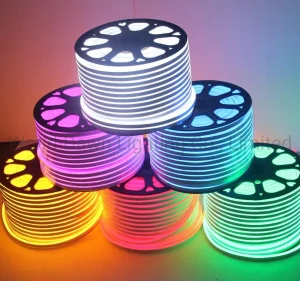
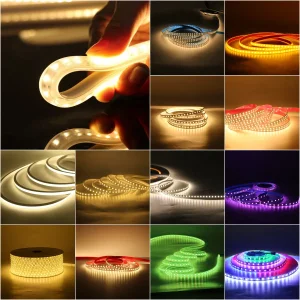
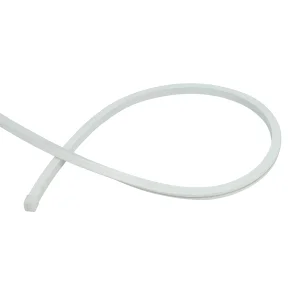
As one of Central Africa's key economies, Equatorial Guinea—spanning Bioko Island (home to the capital, Malabo) and Rio Muni (with the major economic hub, Bata)—is undergoing substantial infrastructure and urban development. From modern commercial real estate developments in Malabo II to port upgrades in Bata, and extensive resort developments along the coastal perimeter, the demands for high-quality architectural and industrial lighting systems are growing rapidly.
However, the local geographical and meteorological conditions present serious operational challenges for standard lighting technology. The equatorial climate is characterized by persistently high relative humidity (frequently exceeding 90%), intense UV exposure, and continuous coastal salt air spray. In these conditions, standard LED strips decay rapidly, suffering from yellowing casings, copper pathway corrosion, and direct ingress of moisture.
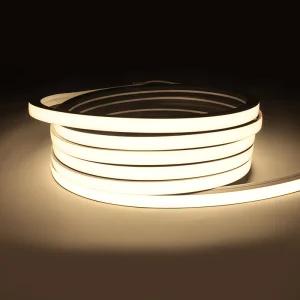
In high-humidity coastal zones like Malabo and Bata, moisture penetration via micro-capillary action ruins standard PVC casings within 6 months. High salt content in the atmosphere accelerates electrolytic oxidation on the PCB, causing voltage drops and premature driver failure. Our specialized Silicone Co-extrusion IP67/IP68 LED Strip Lights are specifically engineered to combat these exact factors.
To meet the technical specifications of large-scale infrastructure projects, developers, contractors, and municipal planners are transitioning away from temporary lighting components to high-performance, industrial-grade waterproof LED strips. This shift ensures long-term operational viability, reducing replacement costs and downtime in critical commercial projects.
Every production batch undergoes strict performance testing to verify resilience against extreme tropical environments.
The material selection for LED strip light casings directly determines its longevity. For many years, PVC was the standard material utilized across the lighting industry. However, under the direct equatorial sun of Equatorial Guinea, PVC rapidly degrades, breaks down chemically, releases hydrochloric acid, and turns a dark amber color, which severely reduces light transmission and shifts the color temperature.
| Material Characteristic | Standard PVC Casing | Engineered Silicone Co-extrusion | Equatorial Guinea Climate Suitability |
|---|---|---|---|
| UV Resistance Index | Low (Yellows within 180 days) | Excellent (No yellowing >5 years) | Silicone prevents degradation from high solar radiation in Bioko Island. |
| Thermal Operational Range | -10°C to +50°C (Becomes brittle) | -50°C to +150°C (Maintains flexibility) | Silicone dissipates heat much faster in tropical environments. |
| Chemical Resistance | Vulnerable to acid/saline spray | Highly resistant to salt mist and chlorine | Crucial for coastal developments in Port of Bata and Port of Malabo. |
| Light Transmittance | 80% (Rapidly decays over time) | > 92% (Maintains stability) | Ensures consistent lumen output over long term operations. |
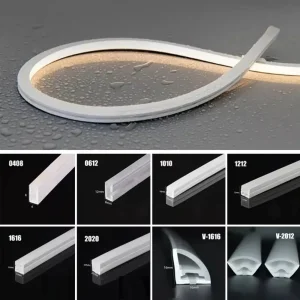
Furthermore, our silicone extrusion process involves dual-color co-extrusion technology. The base is an opaque white silicone layer acting as a highly efficient internal reflector, while the top cover is a clear, optical-grade protective dome. This integrated construction completely seals the internal LEDs and PCB from the exterior atmosphere, preventing moisture ingress at the molecular level.
Engineered products tailored to heavy infrastructure, high-end hospitality, and urban architectural displays.
Hangzhou Halo Light Co., Ltd. has steadily evolved into a competitive LED strip light manufacturer, specializing in advanced Neon Flex, SMD, and COB LED lighting solutions for global markets. Since its establishment, the company has focused on combining innovation, quality manufacturing, and customer-oriented service to meet the growing demand for energy-efficient and flexible lighting systems.
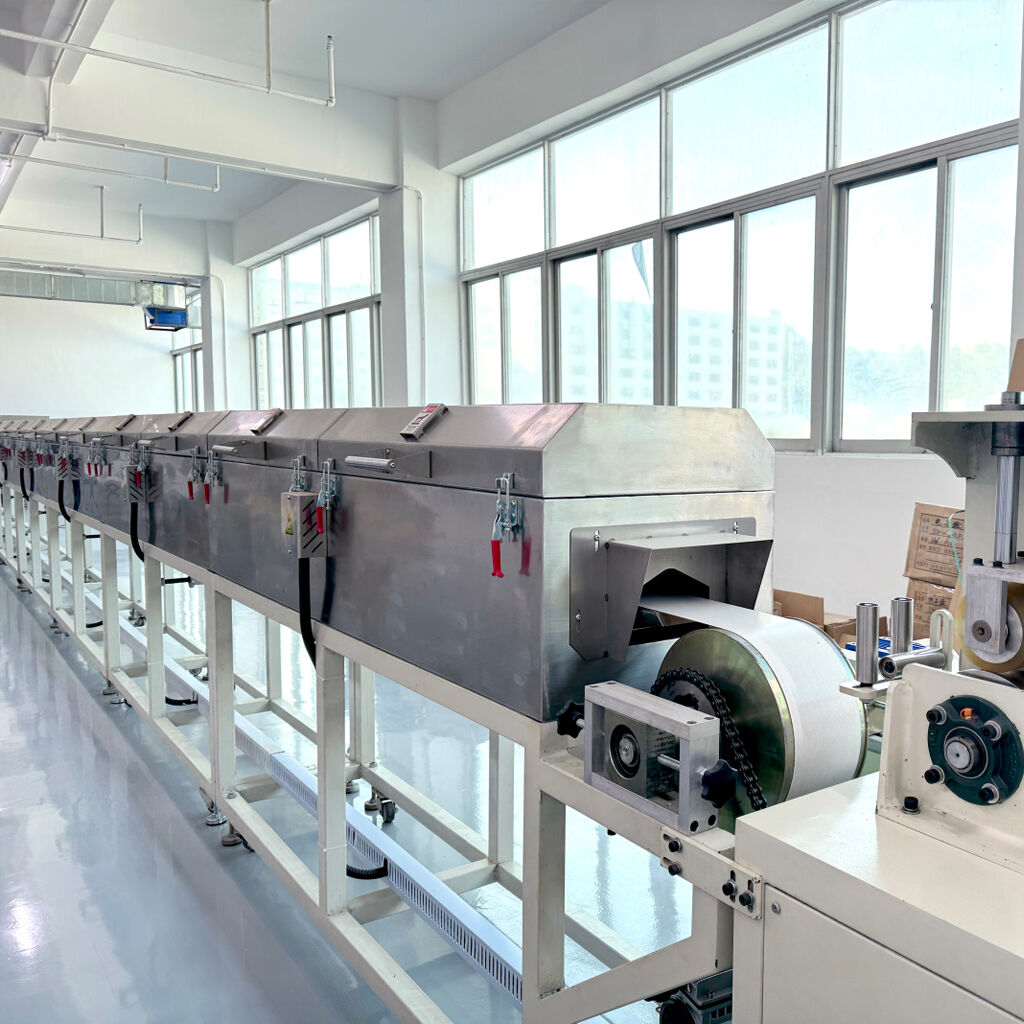
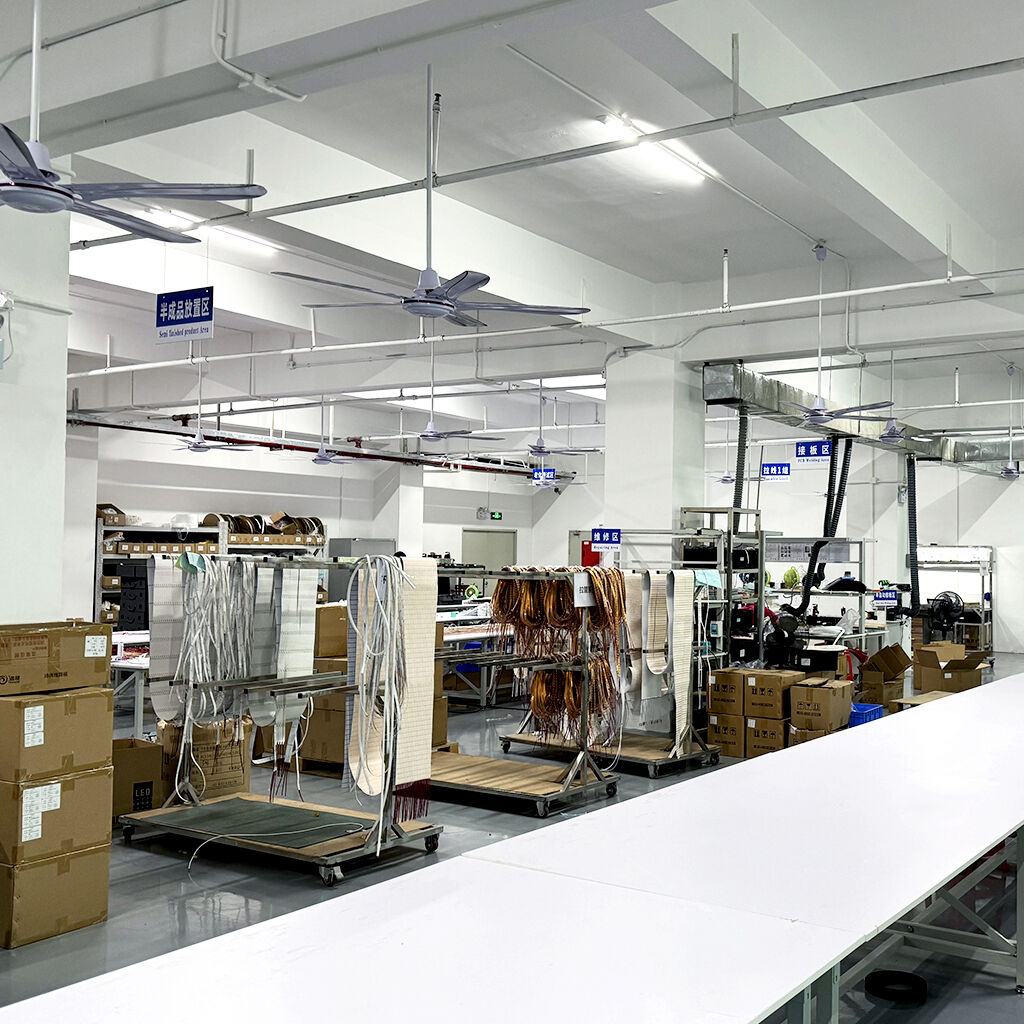
Based in Hangzhou, a key center for technology and manufacturing in China, Halo Light operates a modern production facility equipped with automated assembly lines and strict quality control processes. Over the years, the company has built a professional team of engineers and technicians dedicated to continuous product development and performance optimization.
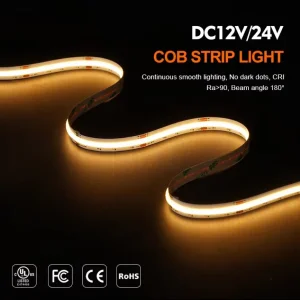
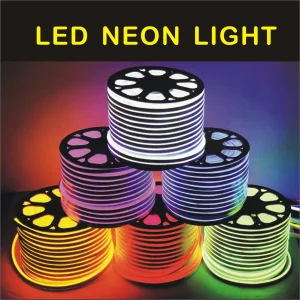
With a strong emphasis on research and development, Hangzhou Halo Light has expanded its product range from standard LED strip lights to high-density COB strips, durable Neon Flex solutions, and intelligent lighting systems suitable for architectural, commercial, and residential applications. Its products are widely recognized for their stability, brightness consistency, and long service life.
Driven by global market trends and sustainable development goals, the company continues to enhance its manufacturing capabilities and expand its international presence, aiming to deliver reliable, efficient, and innovative LED lighting solutions worldwide.
Procuring building and lighting materials from China directly to Equatorial Guinea requires a clear logistics protocol and strict adherence to international trade regulations. To ensure smooth custom clearance and integration into public projects, our products conform to both the regional CEMAC (Economic and Monetary Community of Central Africa) trade frameworks and global verification systems.
All exports are equipped with CE, RoHS, and IECEE CB test certificates. This ensures compliance with corporate procurement requirements and streamlines customs processes in both Bata and Malabo ports.
Equatorial Guinea's grid can experience transient spikes and voltage drops. We design our 220V linear LED strips with heavy integrated IC drivers to buffer fluctuations, preventing failure.
Direct sea freight packaging with moisture-absorbing desiccants and custom multi-layered outer cartons. Standard sea routes operate out of Ningbo or Shanghai directly to Malabo and Bata ports.
Through close partnerships with leading international shipping lines and local logistics agencies in Equatorial Guinea, we handle specialized freight configurations including Less-than-Container Load (LCL) and Full Container Load (FCL). Each shipment includes a comprehensive set of documentation: Bill of Lading, Certificate of Origin, Packing List, Commercial Invoice, and relevant quality inspection certificates.
Our solid-state lighting systems are deployed across various industrial, commercial, and urban development projects throughout the nation. Below are key applications:
Safety and resilience are primary requirements for installations in the oil and gas sector at Punta Europa. Our heavy-duty silicone extrusion strips provide chemical resistance and reliable illumination for safety corridors, administrative centers, and support infrastructure where chemical exposure and sea mist would otherwise corrode standard fixtures.
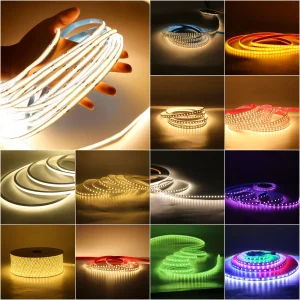
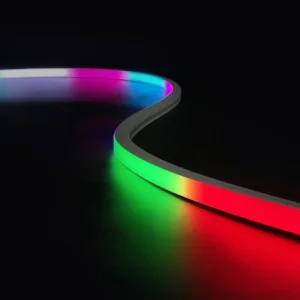
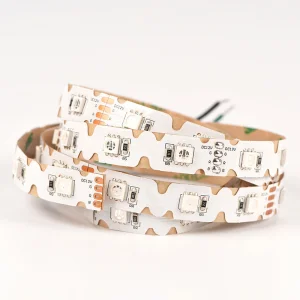
High-end hotels in Sipopo require dynamic, colored architectural lighting to highlight coastal structures. By incorporating our RGBW 24V strip lights and customized high-density Neon Flex systems, designers can establish modern, programmable lighting schemes that remain fully functional despite constant exposure to sea mist and high tropical heat.
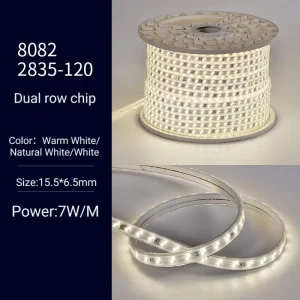
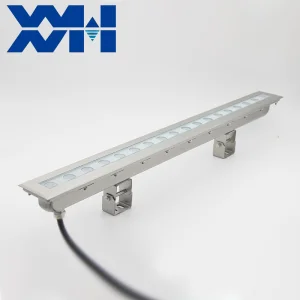
Urban modernization projects utilize linear LED fixtures to illuminate building profiles. High-voltage 220V SMD strips allow for long, continuous runs without complex power supply networks, simplifying architectural installations on multi-story building structures.
Contact our technical engineering team today. We provide free customized photometric layouts, voltage calculation analysis, and specific pricing quotes for projects in Bata, Malabo, and across Central Africa.
Send Inquiry NowTechnical answers for procurement departments, project developers, and architectural engineering firms.
A complete selection of solid-state flexible solutions, built and tested to meet local industrial standards.