Halo Light
Halo Light
Halo Light
Engineered to withstand the demanding local grid conditions of Kinshasa and the humid environments of the Congo Basin.
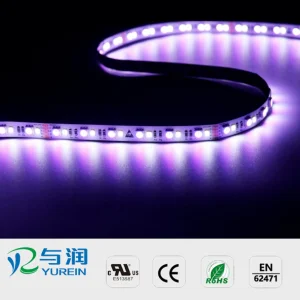
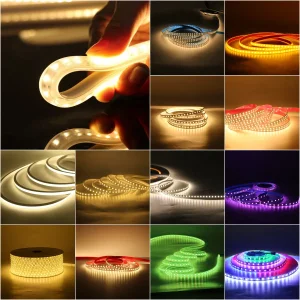
The Democratic Republic of Congo (DRC) is undergoing a monumental phase of urban expansion and economic rebuilding. Key metropolitan hubs such as Kinshasa, Lubumbashi, Kolwezi, and Goma are experiencing high demand for infrastructure, commercial real estate, and mining projects. However, the geographic position of the DRC poses extreme ambient challenges for engineering projects, particularly when selecting electrical and lighting equipment.
Central to these environments is the heavy humidity characteristic of the Congo Basin, alongside intense seasonal downpours. In standard LED strip light installations, water ingress and condensation quickly deteriorate circuits, causing flickering, short-circuiting, and premature failure. To combat this, procurement officers and engineering firms are actively seeking suppliers who specialize in high-grade waterproof LED strip lights manufactured with advanced polymer technologies.
Capable of performing non-stop under relative humidity levels of up to 98% in coastal and equatorial regions.
Engineered with IC driver safeguards to mitigate the effects of voltage drops and spikes in regions with erratic power distribution.
Premium silicone extrusion coatings protect diodes from rapid yellowing caused by high solar radiation near the equator.
Moreover, the mining sector in the Lualaba and Haut-Katanga provinces (rich in copper and cobalt) demands specialized, robust industrial illumination. Lighting in these locations faces corrosive chemicals, dust, and continuous machinery vibrations. Traditional lighting fixtures are rapidly replaced by flexible waterproof LED strips due to their ease of installation, high efficacy, and lower power footprints, which are critical in sites operating off-grid solar or diesel generators.
Understanding the engineering standards behind our waterproof strip lighting solutions ensures long-term operational success for industrial purchasers in Africa. Our technological development pathways focus on two primary objectives: structural casing durability and electrical stability.
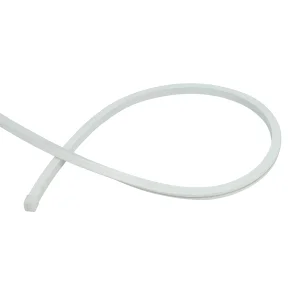
Historically, manufacturers relied on PVC sleeve housing or epoxy potting. Under the intense heat and UV rays of sub-Saharan Africa, PVC becomes brittle and cracks, while epoxy resin turns brown, diminishing light transmission. We implement solid silicone co-extrusion technology. Organic silica gel delivers:
• High thermal conductivity, accelerating heat dissipation from the PCB.
• Exceptional resistance to ultraviolet rays, ensuring the light remains color-neutral for years.
• Flexibility down to -30°C and resistance to heat up to 150°C.
In municipal centers like Kinshasa, the grid supplied by the Inga Dam is prone to severe voltage drops and surges. Direct AC connection can instantly blow standard LED assemblies. Our low-voltage 24V DC configurations incorporate constant-current IC drivers on the flexible PCB board. This provides stable luminous flux even if the input voltage fluctuates by up to ±15%. We recommend utilizing high-efficiency industrial DIN-rail power units equipped with built-in surge protection up to 6kV.
| Waterproof Class | Protective Technology | Optimal Application Environment | Max Depth / Conditions |
|---|---|---|---|
| IP65 | Silicone Spray Coating (Nano-coating) | Indoor high humidity, indirect outdoor splash | Splash-proof, no submersions |
| IP67 | Hollow Silicone Sleeve with Sealed Caps | Outdoor architectural, facade lighting in Kinshasa | Temporary immersion (1m, <30 mins) |
| IP68 | Solid Silicone Injected Co-extrusion | Swimming pools, heavy industrial washdown areas | Continuous submersion under pressure |
| IP69K | Heavy Duty Reinforced Thermo-Silicone | Mining process facilities, coal dust environments | High-pressure, high-temp steam cleaning |
Hangzhou Halo Light Co., Ltd. has steadily evolved into a competitive LED strip light manufacturer, specializing in advanced Neon Flex, SMD, and COB LED lighting solutions for global markets. Since its establishment, the company has focused on combining innovation, quality manufacturing, and customer-oriented service to meet the growing demand for energy-efficient and flexible lighting systems.
Based in Hangzhou, a key center for technology and manufacturing in China, Halo Light operates a modern production facility equipped with automated assembly lines and strict quality control processes. Over the years, the company has built a professional team of engineers and technicians dedicated to continuous product development and performance optimization.
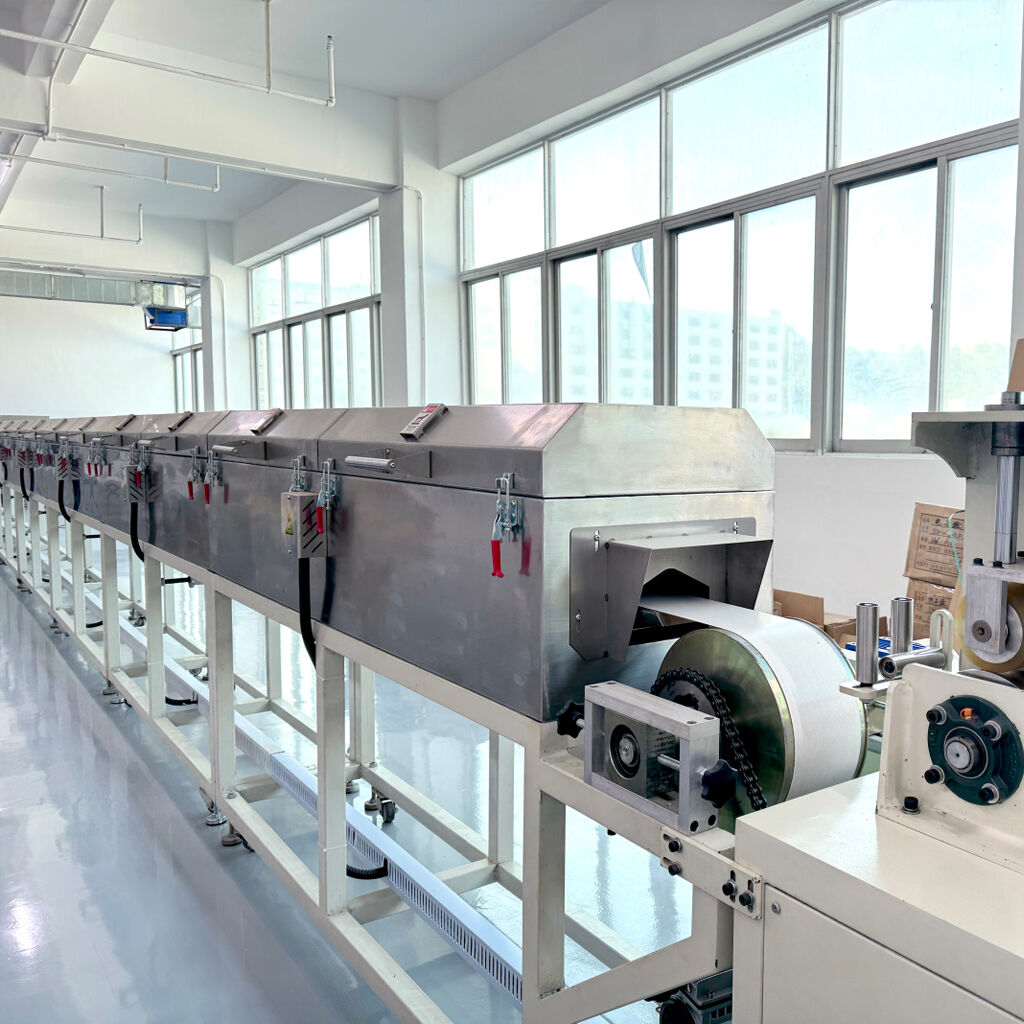
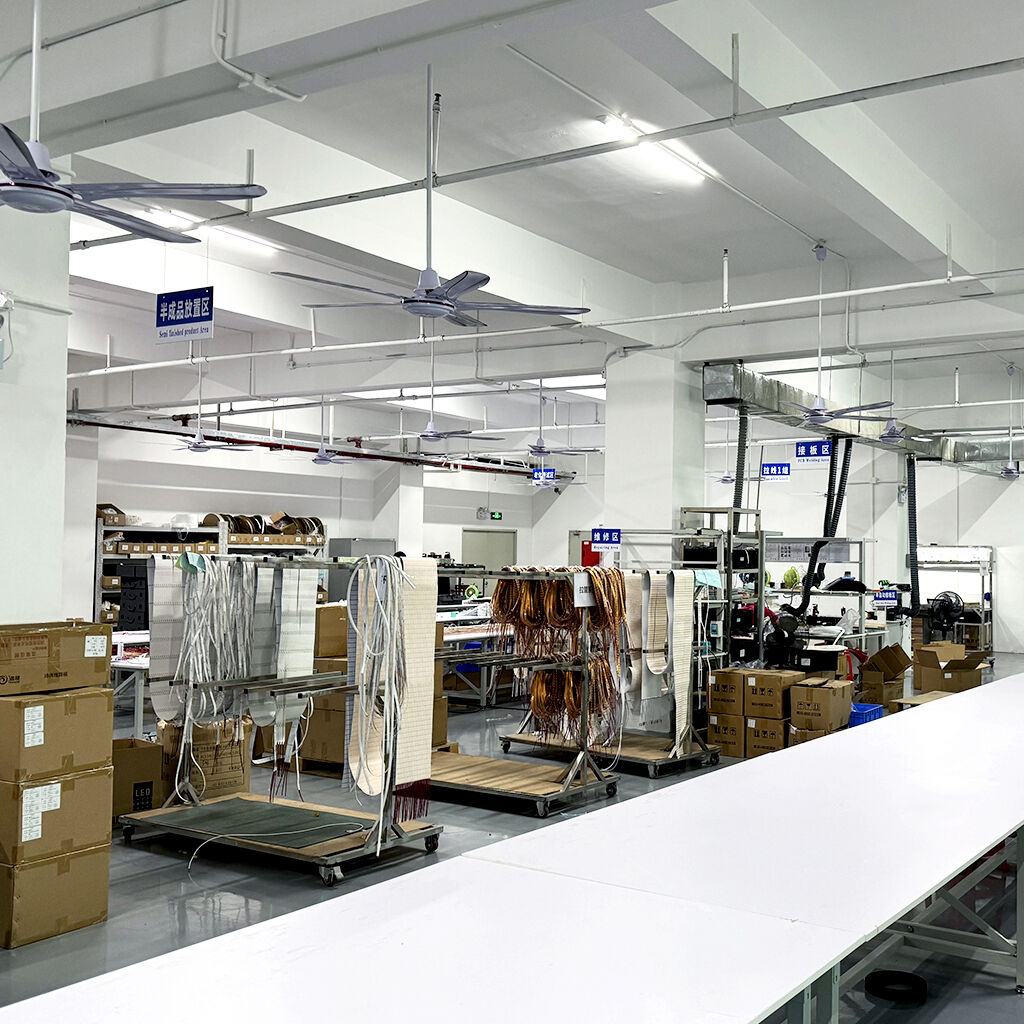
With a strong emphasis on research and development, Hangzhou Halo Light has expanded its product range from standard LED strip lights to high-density COB strips, durable Neon Flex solutions, and intelligent lighting systems suitable for architectural, commercial, and residential applications. Its products are widely recognized for their stability, brightness consistency, and long service life.
Driven by global market trends and sustainable development goals, the company continues to enhance its manufacturing capabilities and expand its international presence, aiming to deliver reliable, efficient, and innovative LED lighting solutions worldwide.
IP67/IP68 Underwater Tested
Operational Lifespan
Ultra High Efficacy Options
Extended Warranty Available
In the DRC, standard commercial solutions are often insufficient due to local logistical constraints and fuel-based power generation. Our products are specifically tailored to fit within broad infrastructural project scopes:
For rural electrification schemes and remote mining camps where primary electrical power is generated through solar arrays, converting direct current (DC) to alternating current (AC) and back to DC results in transmission efficiency losses of 15% to 22%. By utilizing our low-voltage 12V and 24V DC LED Strip Lights, design engineers can link lighting networks directly to DC battery systems, maximizing the longevity of stored solar energy.
Reliable illumination is paramount for site safety inside tunnels and mineral processing plants in Kolwezi. By employing high-voltage, heavy-duty silicone extrusion strips, mining companies gain several advantages:
• Continuous Run Lengths: Running up to 50 meters on a single power feed reduces wiring runs and installation steps.
• Resilience to Dust & Moisture: Highly resistant to chemical vapor and fine particulates, maintaining visibility during critical operations.
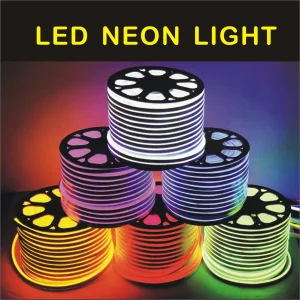
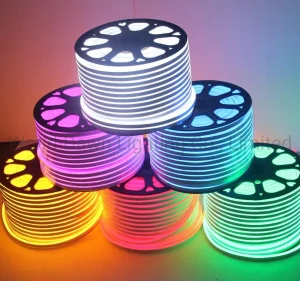
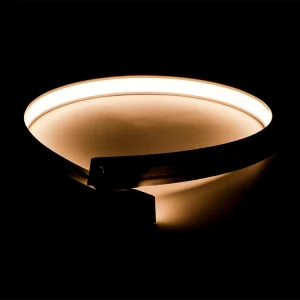
Kinshasa is seeing a rapid increase in commercial structures along the Congo River. High UV-exposure and marine moisture can cause premature wear on exterior fixtures. By incorporating our customized Silicone Neon Flex, designers achieve seamless light dispersion while shielding the product from environmental degradation.
Procuring industrial lighting from overseas requires navigability within customs systems and local standards inspections. As an experienced exporter, we facilitate efficient shipping and clear regulatory pathways for DRC projects:
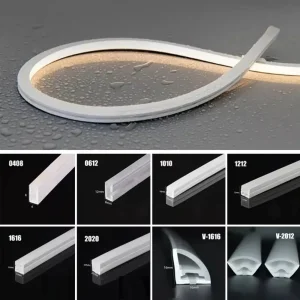
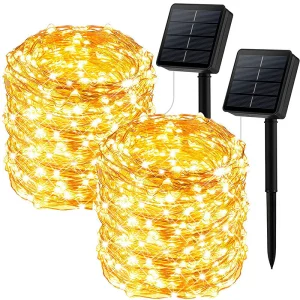
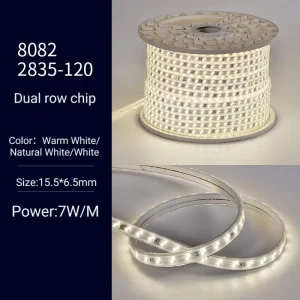
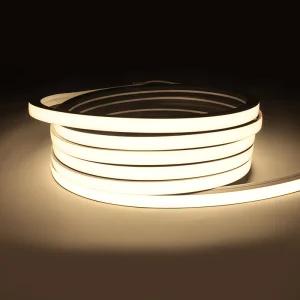
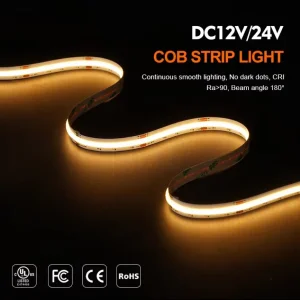
Explore our diverse specifications, all custom-manufactured in our automated China facility to meet DRC regulatory guidelines.
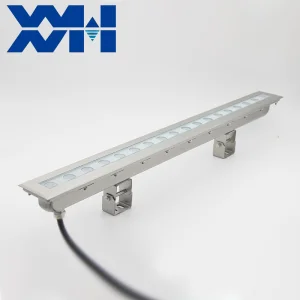
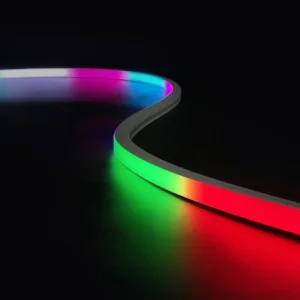
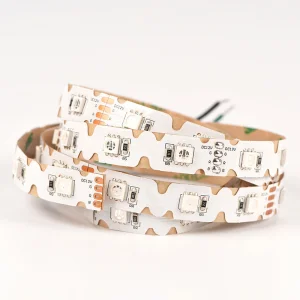
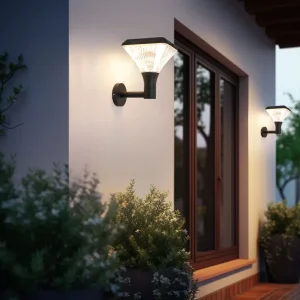
Answering technical, regulatory, and logistics queries for project managers importing lighting to the Democratic Republic of Congo.
Our premium strip lights utilize solid silicone co-extrusion technologies instead of standard hollow tubes or PVC coatings. This design ensures that moisture and condensation cannot seep into the PCB, even during the intense eight-month rainy season in the DRC basin, satisfying strict IP67 or IP68 environmental criteria.
We recommend utilizing our low-voltage 24V DC configurations paired with industrial-grade stabilized power supplies (featuring active PFC and overvoltage cut-offs). Additionally, our high-voltage strips are designed with inline micro-rectifiers and TVS diodes to suppress peak transient voltages before they reach the LEDs.
Yes. We compile all export dossiers and provide test reports (such as CE, RoHS, and manufacturer certifications) necessary for pre-shipment inspections carried out by regulatory companies for the OCC (Office Congolais de Contrôle), ensuring custom clearance without hold-ups.
Absolutely. Our low-voltage 12V and 24V DC LED strips can connect directly to DC charge controllers or DC battery banks. This avoids the energy loss from DC-to-AC inverters, enhancing overall efficiency for off-grid operations in provinces like Lualaba.
Manufacturing usually takes 15 to 25 days depending on the volume. For Lubumbashi, maritime cargo is typically routed via the Port of Dar es Salaam (Tanzania) or Durban (South Africa) and then transported overland, taking around 45 to 55 days in total. Urgent orders can be dispatched via air freight to Kinshasa or Lubumbashi airports.