Halo Light
Halo Light
Halo Light
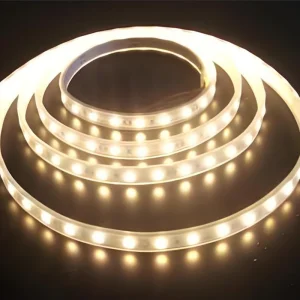
In the contemporary landscape of industrial and commercial design, IP65 LED Strip Lights have transcended their role as mere decorative elements to become critical infrastructure components. As a leading OEM/ODM factory and exporter, we observe a significant shift in the global supply chain. The demand for ingress protection (IP) ratings is no longer localized to extreme environments but is a baseline requirement for high-durability projects in urban architecture, hospitality, and heavy industry.
The global LED strip market is projected to reach $2.5 billion by 2028, with waterproof solutions (IP65+) accounting for 45% of new commercial installations.
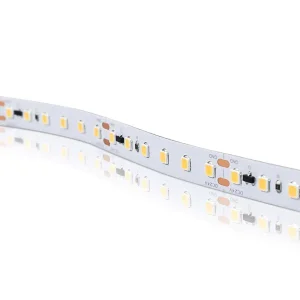
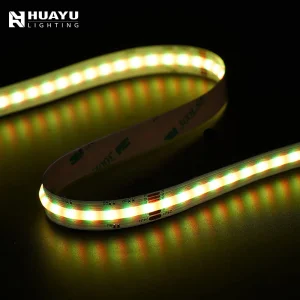
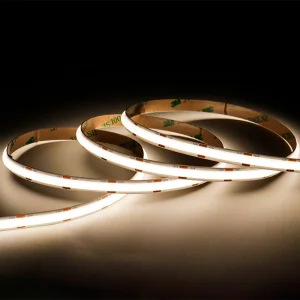
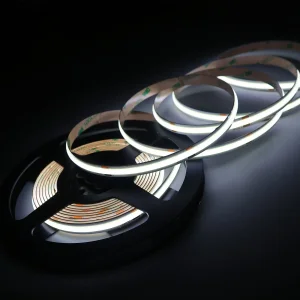
Shift from SMD (Surface Mounted Device) to COB (Chip on Board) technology provides dotless, uniform lighting essential for modern aesthetics.
Integration with Smart City IoT frameworks and DMX512 protocols is now a standard requirement for large-scale urban lighting projects.
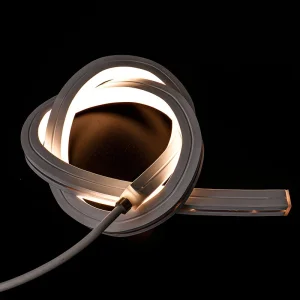
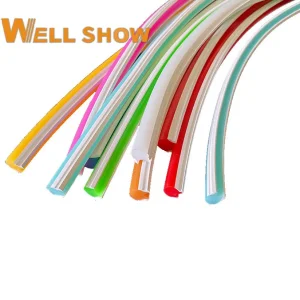
Hangzhou Halo Light Co., Ltd. has steadily evolved into a competitive LED strip light manufacturer, specializing in advanced Neon Flex, SMD, and COB LED lighting solutions for global markets. Since its establishment, the company has focused on combining innovation, quality manufacturing, and customer-oriented service to meet the growing demand for energy-efficient and flexible lighting systems.
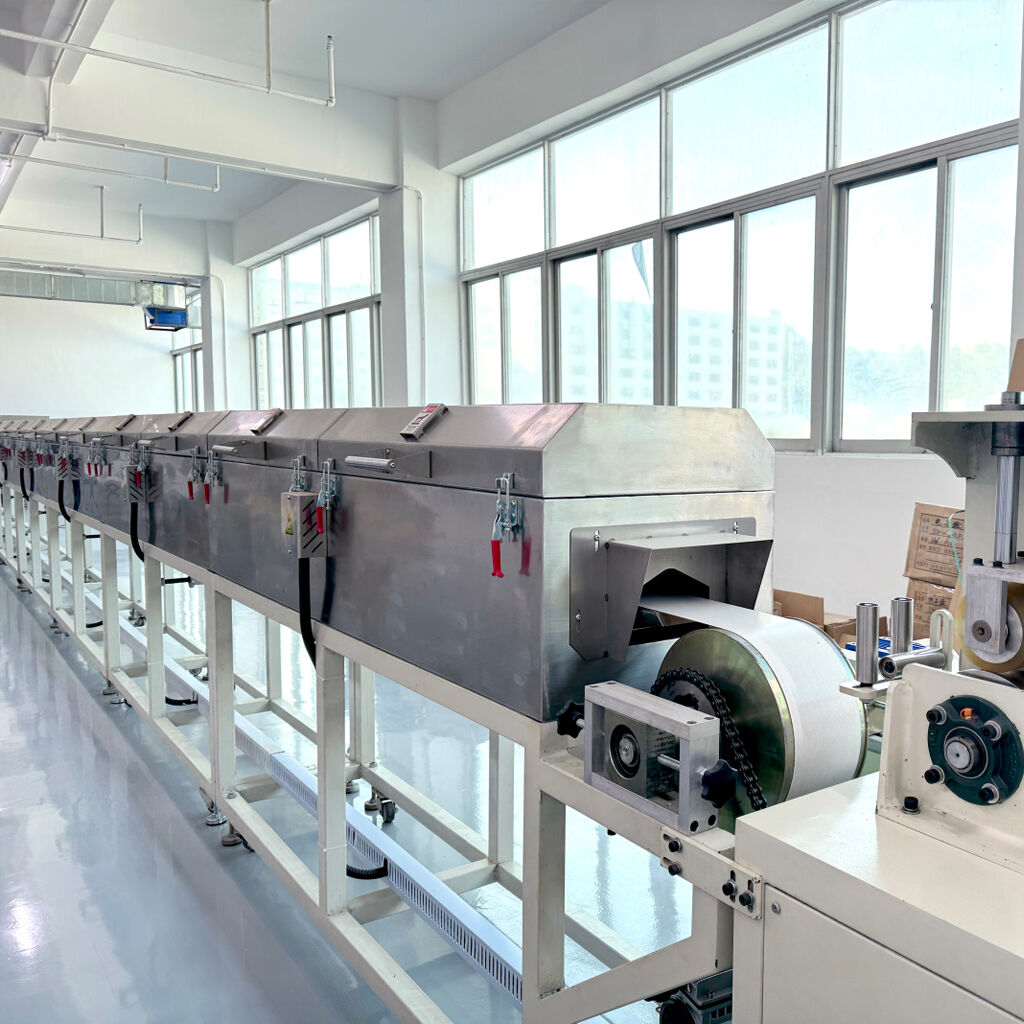
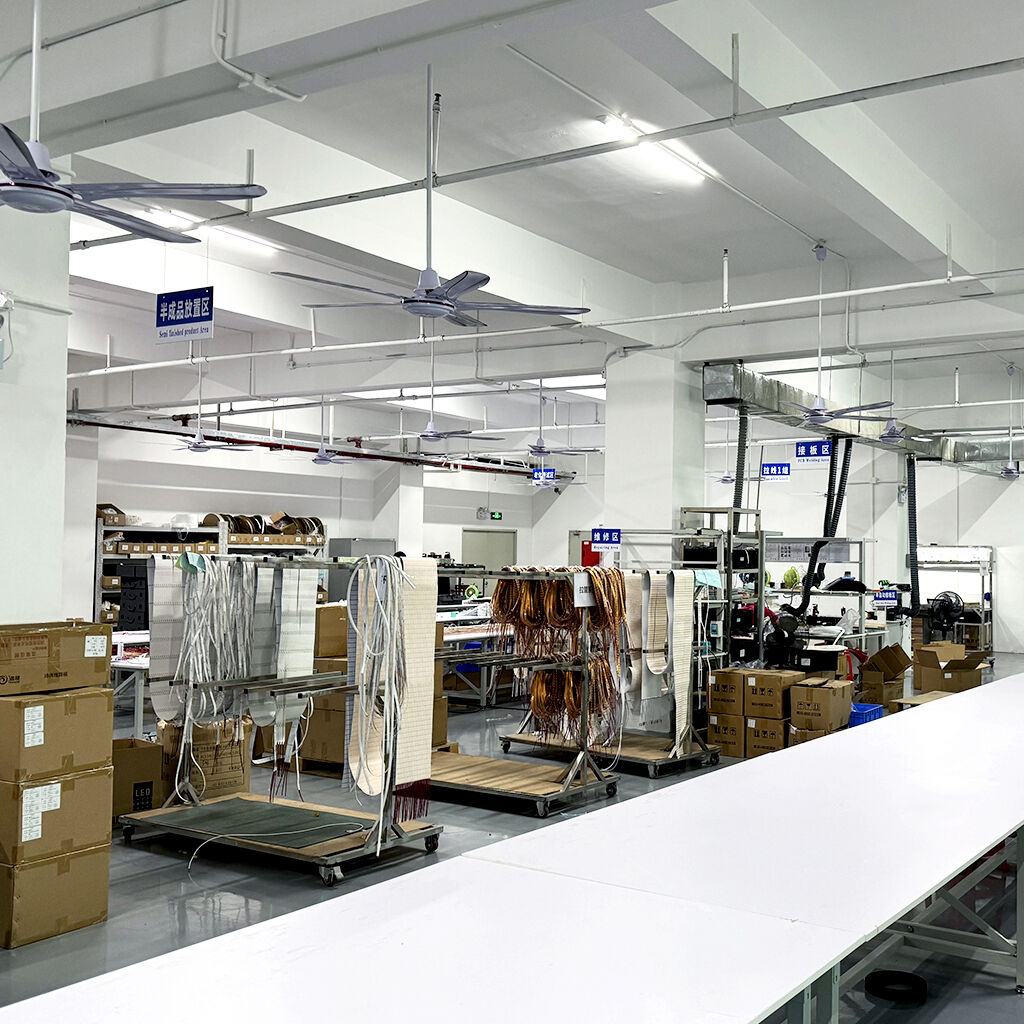
Based in Hangzhou, a key center for technology and manufacturing in China, Halo Light operates a modern production facility equipped with automated assembly lines and strict quality control processes. Over the years, the company has built a professional team of engineers and technicians dedicated to continuous product development and performance optimization.
With a strong emphasis on research and development, Hangzhou Halo Light has expanded its product range from standard LED strip lights to high-density COB strips, durable Neon Flex solutions, and intelligent lighting systems suitable for architectural, commercial, and residential applications. Its products are widely recognized for their stability, brightness consistency, and long service life.
Our R&D department focuses on the "Three Pillars of Advanced Illumination": Thermal Management, Material Science, and Spectral Precision. For IP65 and IP67 ratings, we utilize medical-grade silicone extrusion, which offers superior UV resistance and thermal conductivity compared to traditional PVC or epoxy resin.
Implementation of hydrophobic nano-layers that provide IP65 protection without the bulk of traditional sleeves, maintaining 99% light transmission.
Development of built-in IC constant current drivers that allow for 30m+ runs with zero voltage drop and precise dimming control.
Transition to 100% recyclable silicone materials and carbon-neutral manufacturing processes to meet EU Green Deal standards.
Hours Lifespan
Lm/W Efficacy
CRI Rating
Failure Rate
As a global exporter, we customize our IP65 solutions based on regional climatic and regulatory requirements:
By implementing our 840 LEDs/m COB strip, a major luxury retail brand in Paris achieved "seamless light ribbons" in their display cases, reducing energy consumption by 35% while increasing the Color Rendering Index (CRI) to 97, significantly improving product appearance.
A: IP65 offers protection against water jets from any angle, making it ideal for general outdoor use and washrooms. IP67 allows for temporary immersion in water (up to 1m), suitable for areas prone to temporary flooding or heavy rain exposure.
A: OEM allows you to market high-quality products under your brand, while ODM gives you access to our engineering expertise to create bespoke lighting solutions (custom PCB widths, specific kelvin temperatures, or unique lumen outputs) that distinguish you from competitors.
A: COB (Chip on Board) eliminates the "spotted" look of traditional SMDs. This provides a cleaner aesthetic "information" to the human eye, reducing glare and creating a more comfortable, high-end visual environment.
A: 24V systems suffer less from voltage drop over long distances, allowing for longer continuous runs (up to 10-20 meters) without losing brightness at the end, which is crucial for large-scale architectural projects.