Halo Light
A market view built on verified manufacturing capability rather than promise-heavy marketing language.
Automotive interior lighting has moved decisively from a functional nicety to a defining component of cabin experience. Ambient strips, footwell projections, door contour illumination, and dynamic RGB systems are now default expectations in mid-tier vehicles and personalization programs. As a result, the demand for OEM/ODM LED car interior lights has become structurally linked to flexible strip manufacturing — the exact category where Chinese factories hold dominant expertise.
The commercial and industrial reality is that tier-1 buyers no longer shop for "a supplier"; they evaluate for a manufacturing system: process maturity, quality documentation, tolerance control, EMC behavior, and the ability to reproduce the same performance across a million-unit build. This article is written to give buyers, engineers, and brand owners a full technical and commercial map — not a wall of text, but a structured reference built on real production capability.
Real production context behind the product line — documented, traceable, and repeatable.
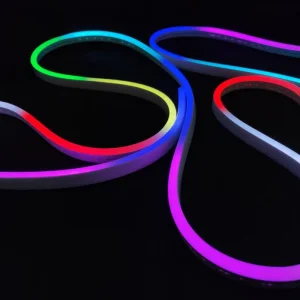
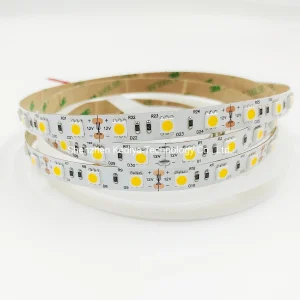
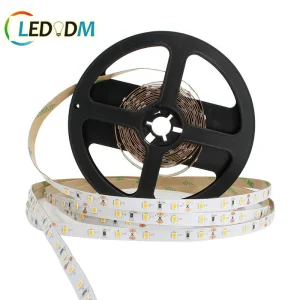
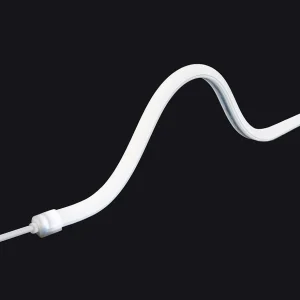
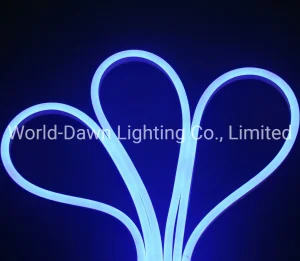
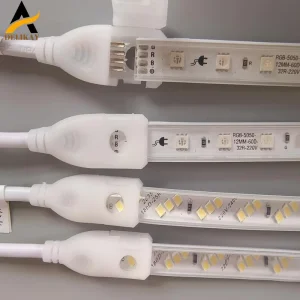
Hangzhou Halo Light Co., Ltd. has steadily evolved into a competitive LED strip light manufacturer, specializing in advanced Neon Flex, SMD, and COB LED lighting solutions for global markets. Since its establishment, the company has focused on combining innovation, quality manufacturing, and customer-oriented service to meet the growing demand for energy-efficient and flexible lighting systems.
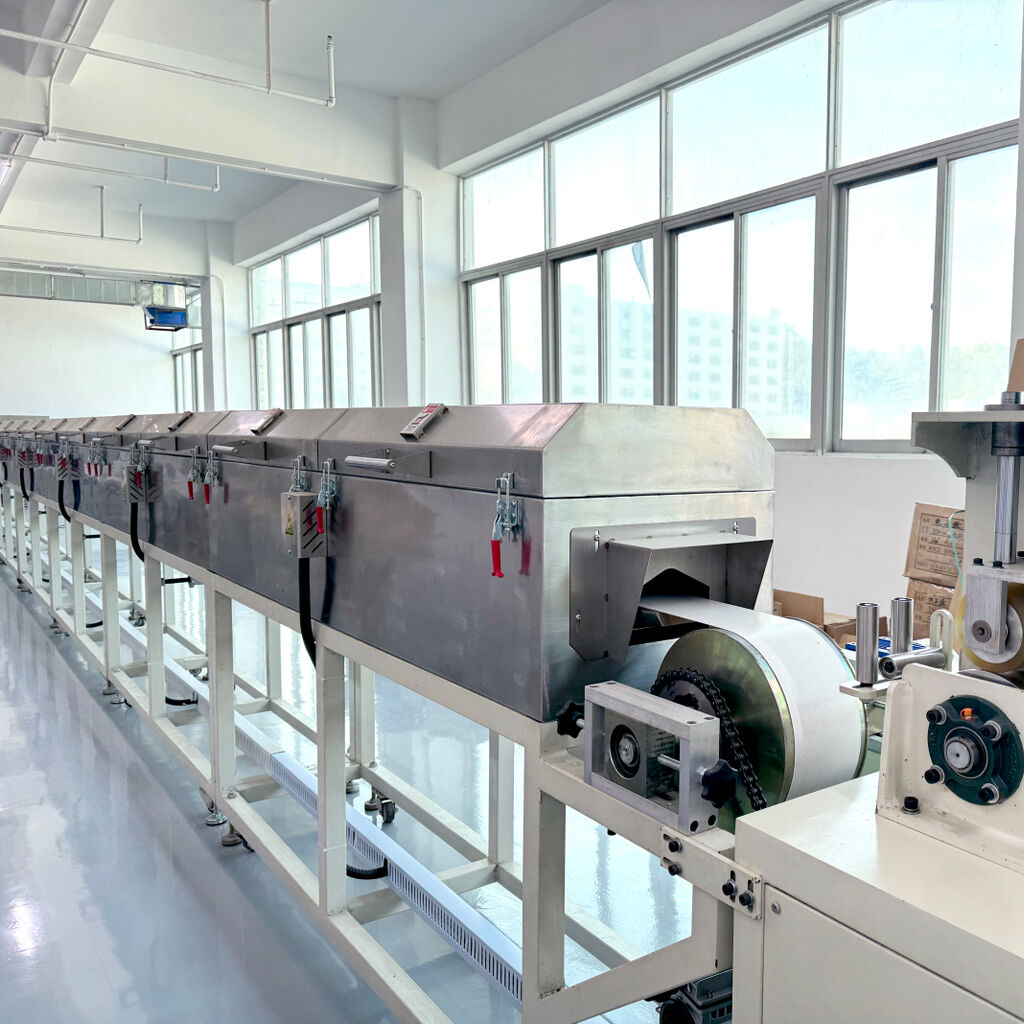
Based in Hangzhou, a key center for technology and manufacturing in China, Halo Light operates a modern production facility equipped with automated assembly lines and strict quality control processes. Over the years, the company has built a professional team of engineers and technicians dedicated to continuous product development and performance optimization.
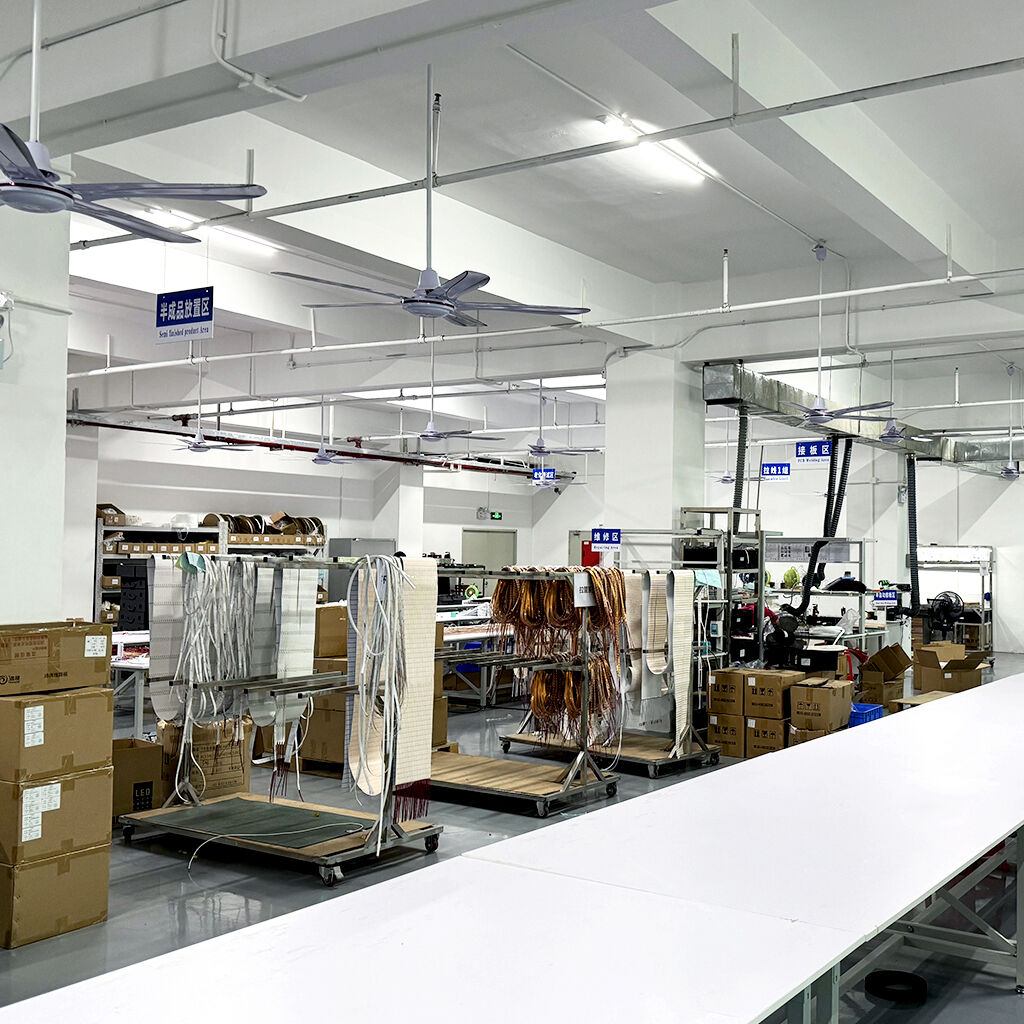
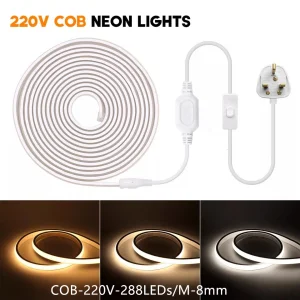
With a strong emphasis on research and development, Hangzhou Halo Light has expanded its product range from standard LED strip lights to high-density COB strips, durable Neon Flex solutions, and intelligent lighting systems suitable for architectural, commercial, and residential applications. Its products are widely recognized for their stability, brightness consistency, and long service life.
Driven by global market trends and sustainable development goals, the company continues to enhance its manufacturing capabilities and expand its international presence, aiming to deliver reliable, efficient, and innovative LED lighting solutions worldwide. For automotive interior programs specifically, this strip-level mastery translates directly into narrow-width, low-heat, uniform-output light engines that fit behind trim panels, door sills, and console gaps.
Where flexible LED strips actually create value inside a vehicle cabin — and how regional preferences shape the design.
Thin COB and Neon Flex strips follow compound curves behind trim, delivering continuous, dot-free glow. European OEMs favor warm 2700–3000K static white; Middle East and North American aftermarket buyers lean toward high-saturation RGB and RGBIC dynamic flow.
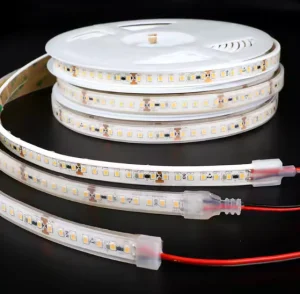
Waterproof silicone-tube Neon Flex (IP65–IP67) survives spillage and vibration. Localized demand in Southeast Asia emphasizes moisture resistance, while Nordic markets prioritize low-temperature flexibility and stable color at −30°C.
Constant-current 24V strips maintain uniform brightness across long runs — critical for SUVs and MPVs where cable length creates voltage drop. This is where CC (resistor-free) architecture outperforms legacy 12V designs.
Branded interior glow for taxis, shuttles, and rental fleets. Middle East and Latin American operators request dual-color programmable strips for passenger ambiance and driver-status signaling.
EU buyers require ECE R10-aligned EMC behavior and CE/RoHS documentation; North American programs lean on ETL-recognized components. Localized engineering support shortens the certification loop significantly.
With quieter EV cabins, lighting becomes a primary interaction channel. Smart addressable strips (RGBIC, app-controlled) support breathing, follow-me, and voice-sync behaviors — an emerging ODM design frontier.
A staged view of where flexible LED interior lighting is heading — and what factories must master to stay relevant.
COB dominance for dot-free uniformity; constant-current 24V architecture replacing resistor-based strips; IP65/IP67 silicone tubes as the default for exposed cabin edges.
RGBIC addressable control at scale; app and voice integration; EMC-optimized driver pairing; automated optical inspection (AOI) for color-binning consistency.
Sensor-reactive interiors — strips responding to occupancy, speed, or biometric state. Flexible substrates embedded directly into trim substrate during molding.
Low-voltage DC microgrids inside vehicles; recyclable silicone and halogen-free PCB materials; digital product passports for traceability.
Why the production ecosystem around Hangzhou and the Greater Bay Area is structurally hard to replicate.
FPC fabrication, LED die sourcing, silicone extrusion, and assembly sit within hours of each other — compressing lead times that overseas competitors measure in weeks.
Component suppliers, tooling shops, and testing labs cluster tightly, enabling rapid iteration on prototype-to-production cycles without logistics drag.
Documented IQC, IPQC, and OQC stages; aging tests; color-binning verification; and EMC pre-screening before shipment — the operational backbone of OEM trust.
From 500-piece pilot builds to multi-container programs, lines can scale without redesigning the process flow — a decisive advantage for ODM brand launches.
Mature freight corridors and export documentation experience reduce friction at destination customs — a pain point that quietly kills new supplier relationships.
Direct access to in-house engineers for spec adjustments, thermal simulations, and connector redesigns — reducing the revision cycle from months to days.
Certification, documentation, and destination-market support built into the production workflow.
A representative selection from the factory catalogue — each link leads to full specifications.
Direct answers to the questions buyers actually raise during supplier evaluation.
OEM means the factory builds to your specification and brand — tooling, color temperature, connector type, and packaging are defined by you. ODM means the factory supplies its own qualified design, which you rebrand and localize. For interior lighting, OEM is preferred when trim integration is tight; ODM accelerates time-to-market for aftermarket programs.
Using defined color-binning windows (typically 3-step MacAdam or tighter), in-line optical inspection, and batch retention samples. Consistent silicone extrusion tolerances also matter, because wall thickness variation shifts perceived color.
Yes, when specified correctly. Silicone-tube construction (IP65–IP67), strain-relieved solder joints, and low-CTE FPC substrates support vibration endurance. Thermal cycling performance depends on current density and heat-sinking behind the trim — an area where constant-current designs are more forgiving.
At minimum CE and RoHS for EU-bound products; ETL-recognized components for North American programs; and EMC documentation aligned with automotive requirements. Request test reports per batch, not just per model.
With existing tooling and standard specifications, prototype samples can move in days and pilot runs within a few weeks. Custom silicone profiles or new connector designs add engineering time, but cluster density in the region keeps the revision loop short.
Increasingly, yes — particularly in EV cabins where lighting is a primary interaction layer. The engineering challenge is control-protocol stability and EMC behavior; these need validation at the driver-and-strip level, not just the strip level.
Expanded catalogue below — same production system, same quality discipline.