Halo Light
Halo Light
Halo Light
Engineered for extreme environments, featuring advanced silicone extrusions, high density COB structures, and intelligent controls.
How architectural-grade LED technology is redefining seasonal and permanent municipal installations.
The global festive lighting market has undergone a significant paradigm shift. Historically characterized by low-durability incandescent wire strings, modern projects now demand highly durable, architectural-grade components. As major commercial districts, municipal agencies, and theme parks globally aim to reduce carbon footprints and maintenance costs, the requirement for LED Christmas lights has evolved toward specialized, high-voltage COB strip light systems, silicon co-extrusion neon flexes, and addressable smart LED tapes.
China remains the undisputed epicenter of this industry, manufacturing over 85% of the world's commercial holiday lighting products. However, the modern B2B buyer is no longer just looking for the cheapest unit price. Today's procurement focus is squarely on E-E-A-T (Experience, Expertise, Authoritativeness, and Trustworthiness) compliant manufacturers who can offer verifiable certifications (ETL, CE, RoHS, UL), advanced material engineering (silicone vs. PVC), and sophisticated smart control protocols (DMX512, SPI, Art-Net, Tuya APP integration).
By shifting to advanced silicone encapsulation systems and high-density light configurations, modern commercial holiday displays function not only as seasonal decorations, but as multi-year permanent outdoor structural lighting installations.
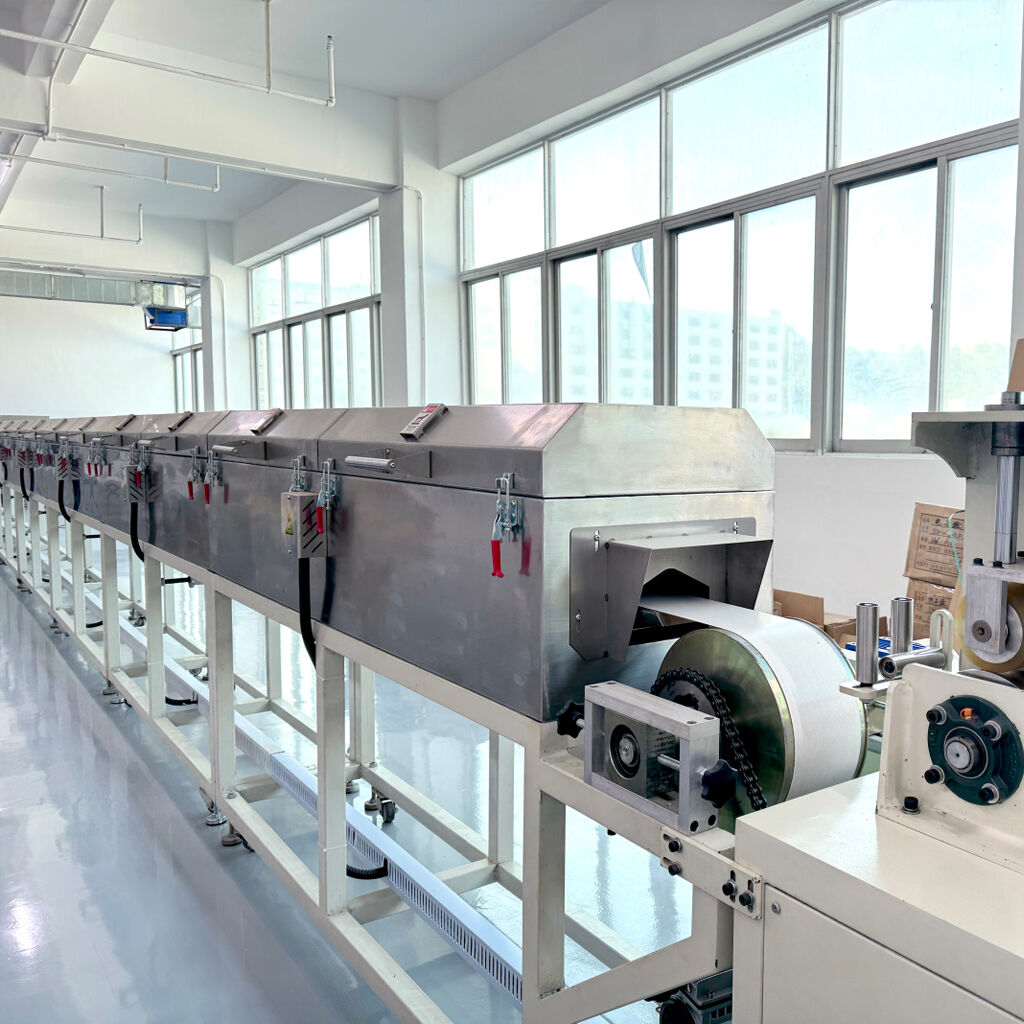
Our advanced manufacturing facility in Hangzhou utilizes automated SMD bonding and SMT lines to ensure premium output quality.
Delivering high-efficiency engineering excellence and intelligent control systems from China's technology core.
Hangzhou Halo Light Co., Ltd. has steadily evolved into a competitive, premium-tier LED strip light and festive lighting manufacturer. We specialize in engineering advanced Neon Flex, SMD, and COB LED lighting systems tailored specifically for heavy-duty commercial projects, architectural integration, and demanding outdoor festive displays. Since our inception, we have integrated rigorous material science, state-of-the-art SMT automation, and localized support channels to meet the global demand for energy-efficient, robust, and smart-controlled lighting architectures.
Operating from our modern facility in Hangzhou, China, our manufacturing processes are built around stringent quality controls. Our engineering teams continuously develop next-generation thermal management designs, high-voltage driver-less technology, and addressable pixel arrays to secure top-tier performance under sub-zero winter temperatures and scorching summer UV exposure.
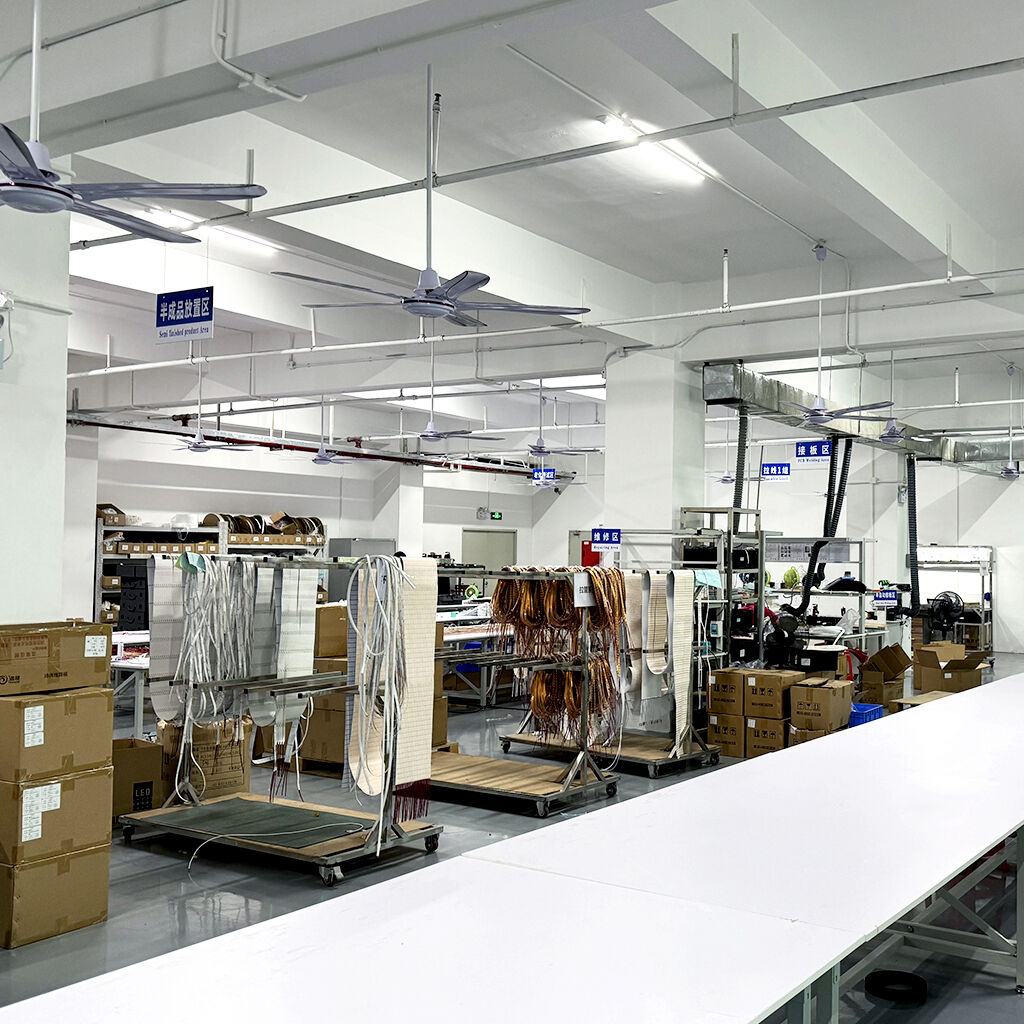
Our clean-room laboratory where photometric distributions and high-voltage safety margins are analyzed.
Why silicone co-extrusion and advanced COB architectures represent the future of architectural holiday lighting.
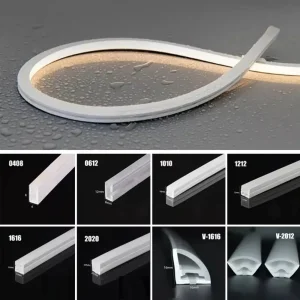
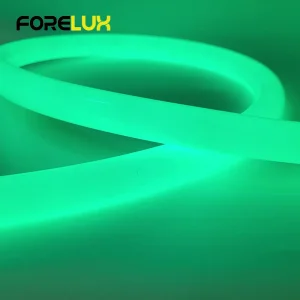
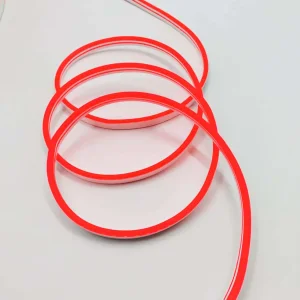
Standard PVC-based neon flex strips crack and yellow under prolonged UV and cold winter conditions. Our food-grade silicone co-extrusion technology maintains high flexibility down to -40°C, features excellent UV resistance, and prevents yellowing for over 5 years. It is highly chemical-resistant and ideal for saline coastal environments.
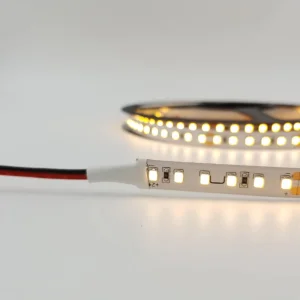
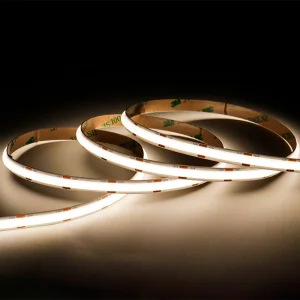
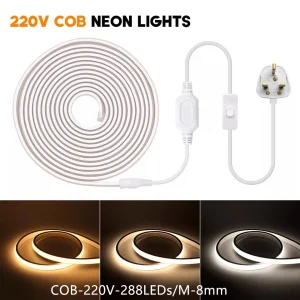
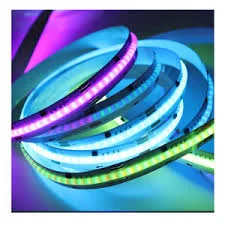
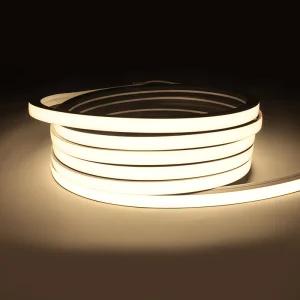
Traditional SMD chip configurations create visible "hotspots," which disrupt the continuous flow of decorative patterns. Chip-on-Board (COB) technology embeds chips directly onto the PCB, providing a completely dotless, seamless line of light. With up to 840 chips/meter, it yields smooth, high-density, and modern festive aesthetics.
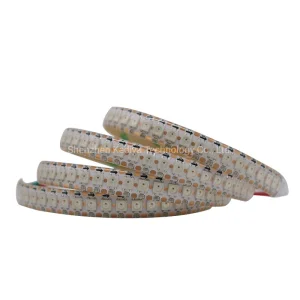
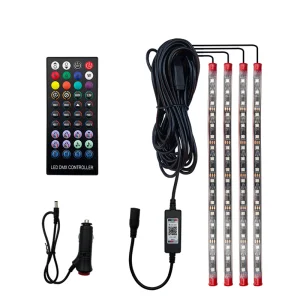
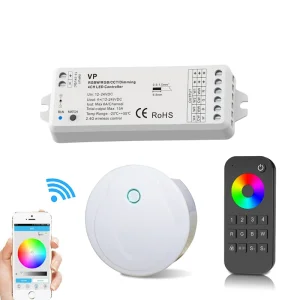
Leveraging addressable chipsets like WS2812B, UCS1903, and DMX512 integrated directly into our light strips, users can customize dynamic color movements via RF Remote, WiFi, or Bluetooth App. This enables precision programming of animated patterns, beat-matching audio synching, and large-scale architectural light shows.
To extend lifespan and guarantee uniform color distribution, our production line implements a MacAdam Ellipse binning process (SDCM < 3), ensuring that color variations between rolls are imperceptible to the human eye. Dual-sided, 3oz copper FPCBs are used to significantly lower thermal resistance, preventing voltage drop over long run lengths and maintaining stable lumen output.
Adapting next-generation lighting technologies to localized commercial and extreme environmental needs.
Scenario: Sub-zero winter temperatures, heavy snowfall, and high wind shear.
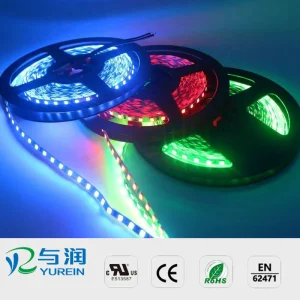
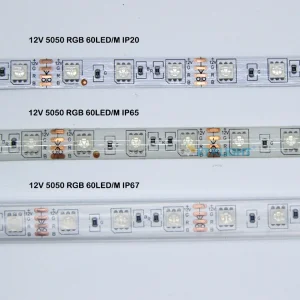
Solution: Outdoor IP68 RGBW 5050 and high-voltage milky model COB strip lights. Engineered with high-strength silicone to resist sub-zero embrittlement while retaining elasticity and luminous efficacy down to -40°C.
Scenario: Intense UV exposure, high saline mist, and extreme ambient summer heat.
Solution: Co-extruded silicone LED Neon Flex (IP67/IP68). Protected against UV degradation, discoloration, and salt-mist corrosion, providing a durable solution for seaside resorts and city skylines.
Scenario: Malls and plazas requiring seasonal transformation into interactive holiday spaces.
Solution: Addressable WS2812B/UCS1903 SPI digital systems controlled via centralized RF Remote, WiFi, or Art-Net DMX, enabling dynamic, program-scheduled light shows.
The technological trajectory of commercial and architectural holiday lighting systems.
Current developments focus on reducing standby power consumption and upgrading driver-on-board (DOB) efficiency. Our team is working to integrate Matter over Thread protocol compatibility, allowing municipal holiday displays to interface with unified smart city networks. Additionally, the transition to high-efficiency, multi-phosphor formulations allows us to achieve up to 130 lm/W even through milky-diffused silicone casings, reducing overall electricity consumption.
In response to global sustainability mandates, Hangzhou Halo Light is researching bio-based silicone carrier structures synthesized from renewable botanical starches rather than petroleum-based polymers. This transition will reduce carbon footprints by up to 35% during the raw material extraction phase while preserving the physical and chemical resistance required for long-term outdoor use.
By eliminating external bulky transformers, high-voltage (110V/220V) AC COB strip lights minimize installation points of failure. Future plans include incorporating pixel-level failure bypass circuits, ensuring that even if one LED chip fails, the remainder of the light string remains illuminated. This feature is crucial for large-scale municipal applications where replacing modules is highly labor-intensive.
Ensure regulatory compliance and long-term durability when sourcing from China.
Verify that your manufacturer holds authentic, current certificates. Look for Intertek/UL reports verifying compliance with UL 2108 (Low Voltage Lighting Systems) and UL 1598 (Luminaires), alongside CE and RoHS validations for European markets.
Ensure the manufacturer features dedicated SMT (Surface Mount Technology) assembly lines and automated silicone extrusion systems rather than outsourcing. Check for the presence of integrating spheres, goniophotometers, and environmental testing chambers.
Always request thermal imaging reports and IPX7/IPX8 submersion test documentation. Outdoor Christmas displays must resist rapid temperature cycling and continuous exposure to standing water or melting snow.
Answering critical engineering questions regarding LED holiday and architectural lighting systems.
Flexible linear lighting solutions for commercial facades, garden designs, and holiday installations.