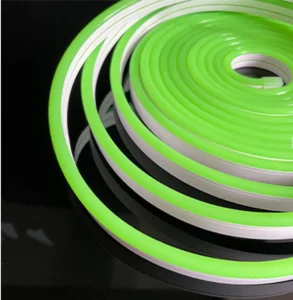
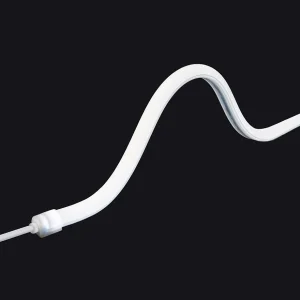
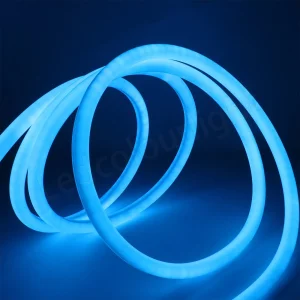
Halo Light
Halo Light
Halo Light
Direct-to-factory configurations optimized for historical exterior facades, hospitality venues, and municipal architectural projects in Verona.
Verona, renowned for its UNESCO World Heritage status, presents a unique intersection of ancient Roman, Medieval, and Renaissance architecture juxtaposed against a highly active modern retail, commercial, and industrial landscape. For project planners, municipal authorities, and importers in Verona, sourcing external illumination tools requires a balance between aesthetic preservation and raw technical endurance.
Outdoor lighting installations in locations like the *Centro Storico*, the Adige riverfront, or modern shopping districts in Verona-Sud are governed by strict municipal guidelines. These codes mandate non-intrusive structural profiles, high color rendering indexes (CRI > 90) to maintain the authentic look of historic red brick and limestone (*tufo*), and highly controlled light scatter to limit local light pollution. Consequently, traditional incandescent and PVC-jacketed linear lights are rapidly phasing out in favor of high-performance silicone-extruded LED neon strips.
Verona’s sub-continental climate features humid, cold winters where temperatures frequently dip below freezing, and hot, intense summers with peak UV index exposures. Traditional exterior PVC neon lights suffer accelerated yellowing, thermal expansion cracking, and moisture ingress in these conditions. By exporting high-performance food-grade silicone LED strip lights, we supply the Verona market with fixtures designed to withstand thermal cycling from -30°C to +60°C without cracking, clouding, or light transmission degradation.
Beyond historical preservation, Verona’s hospitality sector—spanning luxury boutique hotels, restaurants, and wineries in the Valpolicella region—requires dynamic, dimmable, and highly flexible linear LED neon lights to shape atmospheric outdoor lounge spaces. The commercial centers, industrial clusters, and transportation nodes surrounding Verona demand robust, large-scale, long-run lighting systems that operate on 24V DC or direct 220V AC mains to cover expansive industrial facades without experiencing critical voltage drops.
Engineered for diverse applications from residential patios to high-traffic commercial and underwater landscapes.
How Hangzhou Halo Light Co., Ltd. combines advanced manufacturing, optical engineering, and reliable supply chains to support European clients.
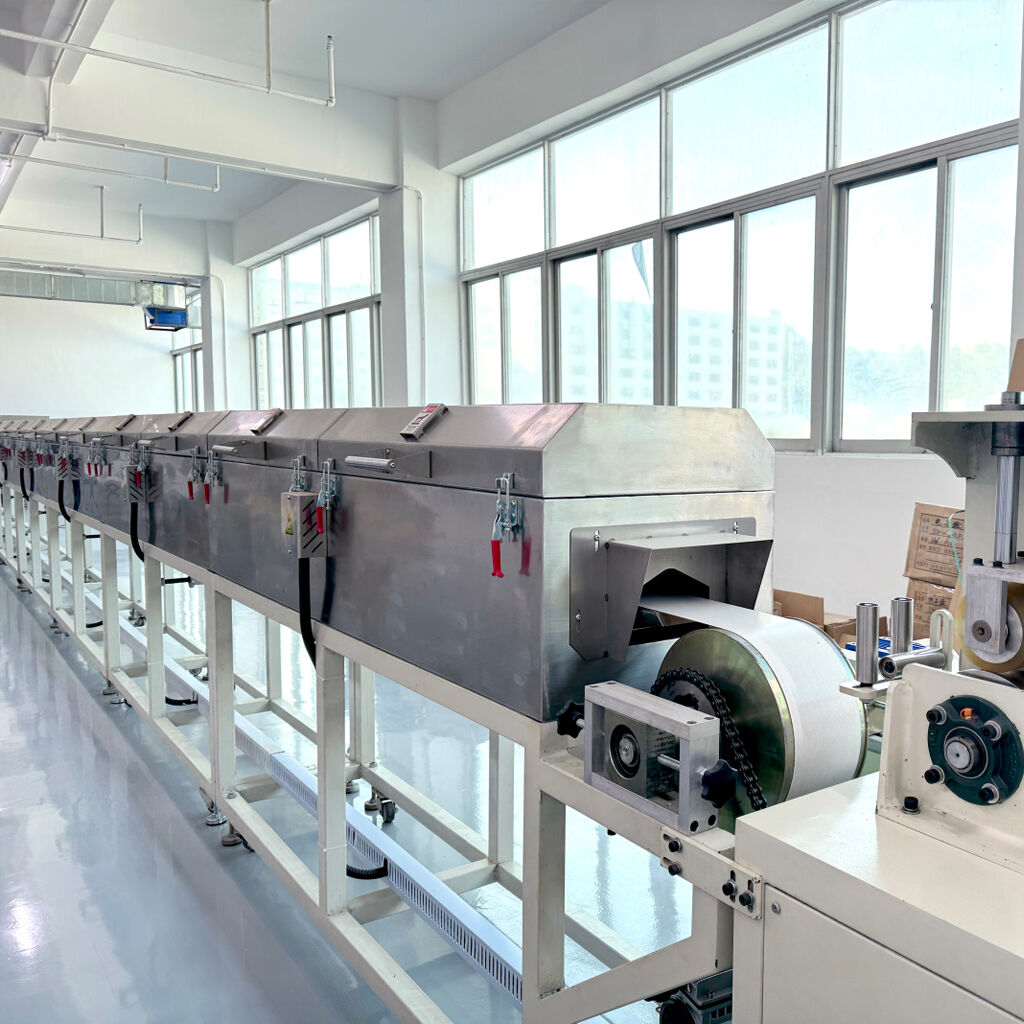
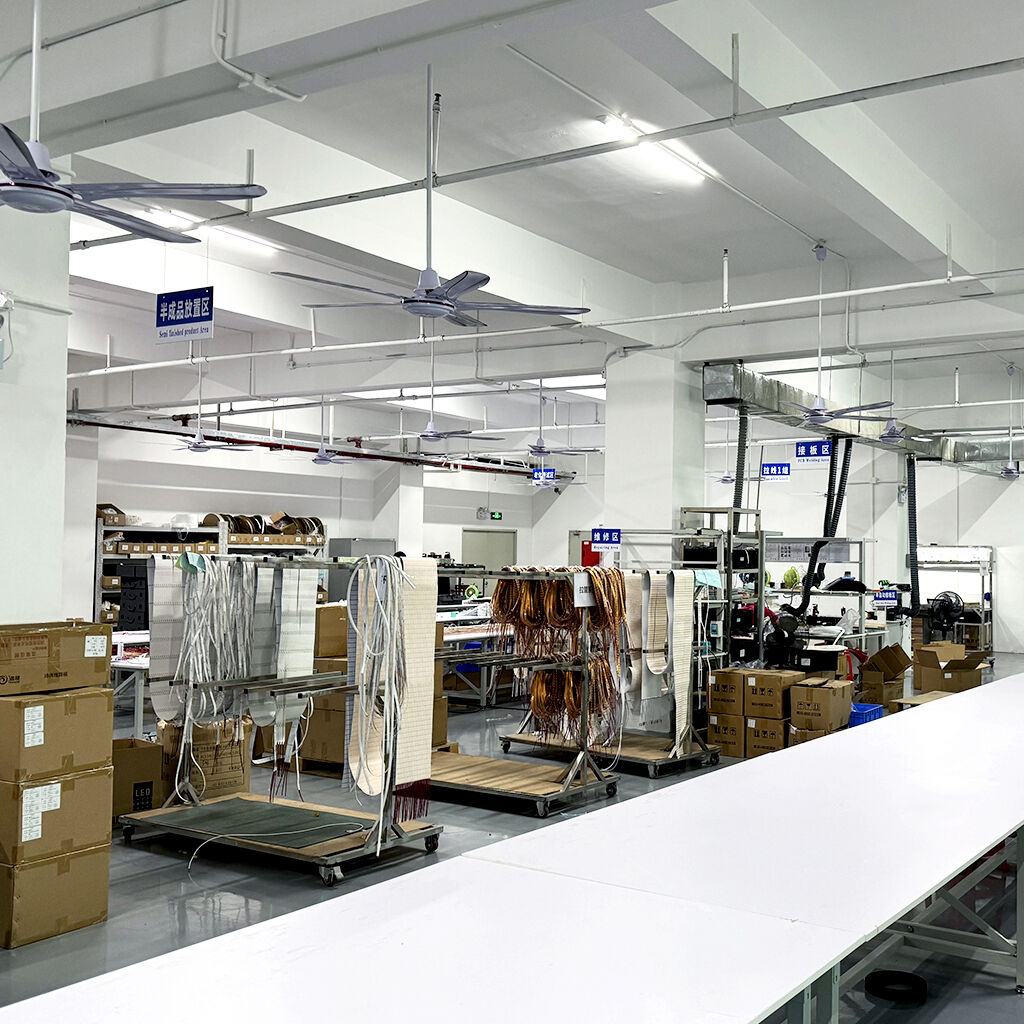
Hangzhou Halo Light Co., Ltd. has established itself as a premier developer and manufacturer of advanced LED strip lighting systems, centering its operations around a state-of-the-art facility in Hangzhou. To service demanding import markets like Italy, our factory runs dual-component co-extrusion silicone production lines that bind high-grade silicone jackets to flexible printed circuit boards (FPCBs) in a cleanroom environment.
Our quality control starts at the component level: we source only bin-controlled, high-lumen output SMDs and COB LED chips. Every production run undergoes spectroradiometric analysis to ensure color temperature (CCT) consistency across multiple manufacturing batches. This process prevents noticeable color variations in outdoor installations that utilize several daisy-chained reels.
Exporting to Verona requires more than just high-quality products. It demands integrated logistics and robust technical support. Hangzhou Halo Light provides custom packaging, precise labeling in compliance with European labeling directives, and comprehensive documentation, including detailed wiring diagrams and photometrics (IES files).
Our technical team supports Verona contractors and engineering firms from the design phase through commissioning. By offering custom-cut lengths, factory-sealed waterproof end caps, and pre-engineered connection cables, we minimize onsite installation labor and mitigate the risks of water ingress due to field-termination errors.
Additionally, we work closely with freight forwarders to provide air freight directly to Milan Malpensa or Venice Marco Polo airports for time-sensitive commercial projects, alongside ocean shipping routes via Venice or Genoa ports for cost-effective, high-volume construction contracts.
An architectural buyer's guide to silicone properties, electrical design, and control systems.
In municipal exterior installations, PVC-based neon flex strips frequently deteriorate within 18 months. When exposed to solar radiation, the chlorine atoms within PVC’s polymer chain break down, resulting in structural brittleness, micro-cracking, and a noticeable yellow tint. This degradation alters the intended color temperature, shifting a crisp 3000K warm white to a dull, muddy yellow.
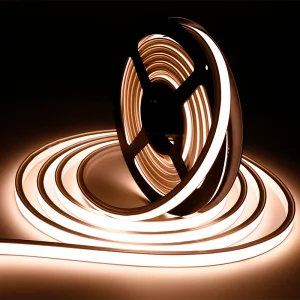
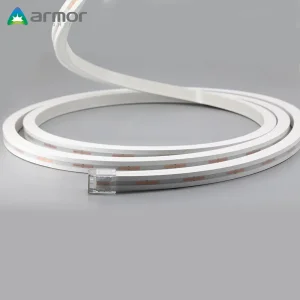
Conversely, our silicone-extruded neon lights utilize a modified organosilicon polymer structure. The backbone of the polymer consists of alternating silicon and oxygen atoms (Si-O-Si), which possesses a higher bond energy than the carbon-carbon (C-C) bonds found in PVC. This molecular layout provides inherent immunity to UV degradation, chemical inertness against atmospheric sulfur dioxide (common in urban environments), and excellent flexibility across a wide temperature spectrum. Furthermore, silicone boasts superior light transmission properties, maximizing overall lumen efficiency and reducing energy consumption.
| Physical & Chemical Parameter | Co-Extruded Silicone (Halo Light Standard) | Standard PVC Neon Flex |
|---|---|---|
| UV Resistance Index | Excellent (No yellowing after 5,000 hrs UV exposure) | Poor (Starts yellowing within 8-12 months) |
| Working Temperature Range | -45°C to +80°C | -10°C to +45°C (Becomes brittle below 0°C) |
| Flame Retardant Rating | UL94 V-0 (Self-extinguishing) | UL94 V-2 (Produces toxic smoke) |
| Chemical Resistance | High resistance to acids, alkalis, saline moisture | Moderate resistance (Degrades upon contact with organic solvents) |
| Minimum Bending Radius | 20mm (Horizontal / Vertical options) | 60mm (Requires heating to bend in cold weather) |
For large-scale architectural outlines in Verona, such as lighting historic bridges or warehouse perimeters, voltage drops pose a significant challenge. A voltage drop occurs when the current encounters resistance as it travels along the copper traces of the FPCB, resulting in decreased brightness at the far end of the run.
To overcome this issue, we employ several advanced engineering techniques:
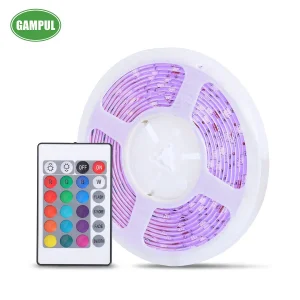
Modern outdoor spaces often require dynamic lighting effects rather than static illumination. Our RGB and RGBW digital addressable strips can interface directly with standard industrial controllers. By utilizing digital control protocols, Verona lighting designers can program subtle, slow-fading palettes that complement historic architecture or create vibrant, fast-paced sequences for commercial venues.
Direct sourcing options with full certification, customized specifications, and robust weather-proof packaging.
Meeting Northern Italy's building codes and strict energy standards.
Deploying outdoor lighting within the European Union requires compliance with safety, performance, and environmental directives. All products exported to the Verona market by Hangzhou Halo Light are certified to meet these expectations:
We work directly with certified testing laboratories (such as SGS and TUV) to maintain up-to-date documentation. This ensures smooth clearance at Italian ports of entry and satisfies the rigorous safety standards of local building inspectors.
Addressing common questions from developers, engineers, and import distributors regarding product specifications and logistics.
For standard extruded silicone LED neon configurations, our standard MOQ starts at 100 meters. For highly customized products—including specific color temperatures, custom lengths, or custom wire lead exits—the MOQ typically ranges between 300 and 500 meters, depending on the complexity of the extrusion die.
We enforce a strict 3-step MacAdam Ellipse (3 SDCM) sorting protocol. By purchasing LED emitters from single-bin selections and recording the batch codes for every project, we ensure that replacements or extensions shipped to Verona years later match the original installation's color profile.
Yes. Our IP68-rated silicone-extruded neon strips are fully sealed and chemical-resistant. The food-grade silicone casing protects against chlorinated water and mild acids, making them suitable for public pools and thermal spas in the Veneto region.
Once production is complete (typically 12-18 days), air freight to Northern Italy (Verona Villafranca or Milan Malpensa) takes 5 to 7 business days. Sea freight routes through the Port of Venice or Port of Genoa require approximately 28 to 35 days under standard shipping conditions.
Yes, we offer fully integrated control kits. Depending on the project requirements, we package the neon strips with compatible Mean Well IP67 drivers and control receivers that support DALI-2, 0-10V dimming, or DMX512 protocols, ensuring seamless connection to the local building automation network.